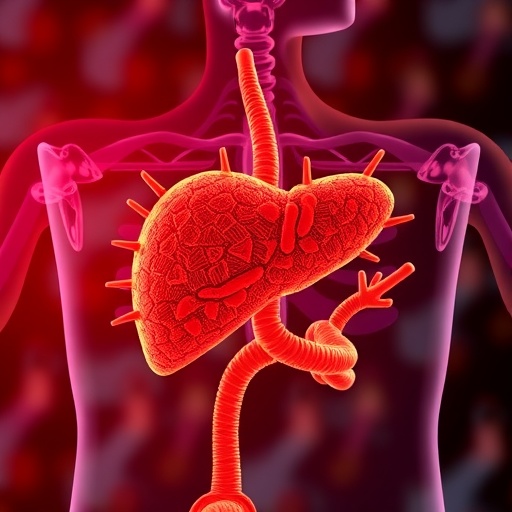
In recent years, there has been growing interest in the relationship between dietary compounds and liver health. A recent study conducted by Ding et al. has shed light on the toxicological potential of naringin, a flavonoid commonly found in citrus fruits. This research aims to uncover the mechanisms behind liver injury that may be induced by excessive consumption of naringin, utilizing an innovative approach that combines network toxicology with experimental validation.
Naringin has long been celebrated for its numerous health benefits, including antioxidant, anti-inflammatory, and cholesterol-lowering properties. However, the flip side of this natural compound is increasingly becoming a topic of concern among researchers and health professionals alike. The consumption of naringin often occurs in conjunction with various pharmaceuticals, leading to a complex interplay that may adversely affect liver function. The objective of Ding et al.’s study is to investigate this potential toxicity, specifically focusing on drug-induced liver injury linked to naringin overconsumption.
Utilizing network toxicology, the researchers developed a robust framework to discern toxicological pathways and interactions that may occur as a result of excessive naringin intake. This multifaceted approach enables scientists to consider various biological networks and how they may interact when exposed to naringin. By mapping these interactions, the researchers aim to identify critical nodes within the network that could contribute to liver toxicity.
The experimental validation aspect of the study involves laboratory testing to confirm the findings generated through computational analyses. This two-pronged method not only solidifies the credibility of the research but also enhances its relevance to real-world scenarios. The ability to couple theoretical modeling with empirical testing is a significant step forward in establishing the safety profile of such dietary compounds.
Furthermore, the study emphasizes the importance of understanding dosage and its implications. Naringin is commonly incorporated into dietary supplements and functional foods, leading to the potential for excessive intake. The researchers highlight the need for comprehensive guidelines and recommendations concerning consumption levels, particularly in light of interactions with other substances. This consideration is paramount in preventing adverse outcomes associated with naringin and its effects on liver health.
The results of Ding et al.’s investigation could have far-reaching implications, particularly in the context of public health. With many people unknowingly consuming high levels of flavonoids, it is essential for healthcare providers and health authorities to remain vigilant about the potential dangers of overconsumption. Awareness around naringin’s effects could serve as a warning, prompting individuals to be more cautious about their dietary choices.
In addition to the public health implications, the study contributes valuable insights into the broader field of toxicology. By employing advanced computational methods to elucidate toxic mechanisms, Ding et al. highlight the importance of interdisciplinary approaches in modern scientific research. The capacity to connect various domains—from computational biology to pharmacology—represents a transformative shift in how researchers conduct toxicological assessments.
Additionally, the findings can fuel further research into other dietary compounds that may pose similar risks. As the scientific community continues to explore the myriad of substances that surround us, studies like that of Ding et al. play a crucial role in unveiling hidden dangers that may accompany seemingly benign dietary choices. This study sets a precedent for future investigations into the safety of flavonoids and other natural products.
Ding et al.’s research cannot be overstated in its importance within the scientific literature. As the world increasingly turns to natural alternatives for health and wellness, the cautionary tale of naringin serves as a reminder of the complexities of herbal and dietary supplements. While nature provides us with beneficial substances, it also calls for due diligence and responsible consumption practices.
This focus on safety aligns well with the growing trend of personalized nutrition, where individuals seek tailored dietary advice based on their unique health profiles. Educating people about the risks associated with certain compounds, especially those like naringin that are consumed in higher quantities, can empower them to make informed decisions about their health.
Overall, Ding et al.’s exploration of naringin’s toxic mechanisms serves as an essential contribution to the ongoing discourse surrounding dietary compounds and liver health. The study invites further examination and deliberation on the consumption of food-derived substances in conjunction with pharmacological treatments, ensuring that both consumers and practitioners are adequately informed.
In conclusion, the research reveals critical insights into the potential dangers of excessive naringin intake that could pose risks to liver health, particularly when combined with pharmaceutical interactions. By employing a network toxicology framework coupled with experimental validation, Ding et al. have advanced our understanding of how dietary compounds interact with biological systems, providing a critical foundation for future explorations in the intricate field of dietary toxicology.
The intricacies of naringin’s impact on liver function highlight the necessity for a balanced perspective on the benefits of dietary flavonoids. While awareness grows regarding their health-promoting properties, this study serves as a crucial reminder that dietary moderation is key to preventing potential toxic effects related to overconsumption.
As we traverse through an era of increased health consciousness, the lessons learned from Ding et al.’s findings offer an opportunity for both individual and collective evolution in our approach to nutrition and its implications for overall health.
Through such rigorous scientific investigations, we can better navigate the often murky waters of dietary choices and pharmacological interactions, ultimately aiming for improved health outcomes and a deeper understanding of our body’s complex biochemical pathways.
Subject of Research: Toxic mechanisms of excessive intake of naringin on drug-induced liver injury.
Article Title: Exploring the toxic mechanism of excessive intake of naringin on drug-induced liver injury using network toxicology and experiment validation strategy.
Article References: Ding, Y., Yu, T., He, J. et al. Exploring the toxic mechanism of excessive intake of naringin on drug-induced liver injury using network toxicology and experiment validation strategy. BMC Pharmacol Toxicol (2025). https://doi.org/10.1186/s40360-025-01062-3
Image Credits: AI Generated
DOI: 10.1186/s40360-025-01062-3
Keywords: naringin, liver injury, network toxicology, dietary compounds, flavonoids, experimental validation, pharmacological interactions, health implications.
Tags: antioxidant properties of naringincitrus fruits and liver functiondietary flavonoids and liver healthdrug-induced liver injuryexcessive naringin consumptionhealth risks of naringinliver injury mechanismsnaringin health benefitsnaringin liver toxicitynetwork toxicology in liver researchphytochemicals and liver healthtoxicological pathways of naringin