Recent studies have revealed an alarming trend regarding heavy metal exposure and its toxicological impacts on human health. Among these metals, nickel stands out due to its widespread industrial use and prevalence in the environment. As heightened levels of nickel pollution become a growing concern, researchers have begun investigating its detrimental effects on various body systems, particularly focusing on the lungs. A recent investigation has unveiled that native probiotic strains could offer a protective buffer against nickel-induced toxicity—shedding light on a promising avenue for therapeutic intervention.
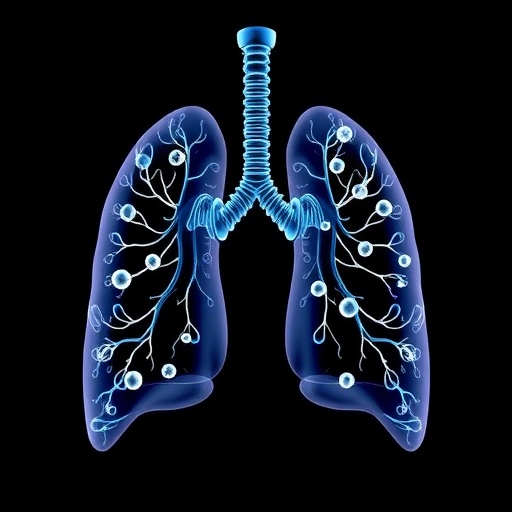
Prolonged exposure to nickel often results in acute and chronic health issues, exacerbating oxidative stress and inflammatory responses within the body. Increasing scientific evidence illuminates how this metal can lead to the dysfunction of cellular pathways crucial for maintaining tissue health, making it a significant topic for medical research. The lungs, being the primary organ for gaseous exchange, are particularly vulnerable to environmental toxins like nickel, leading researchers to understand how they may elicit a cascade of pathological reactions.
The study focusing on the protective role of probiotics against nickel-induced lung toxicity, led by a team of innovative researchers including Jouriani and Khiavi, is not just a novel approach, but it also opens new possibilities for preventative and therapeutic strategies. Probiotics are known for their ability to foster a healthy gut microbiome, but this study highlights their potential beyond gut health. By introducing specific native probiotic strains into laboratory models, researchers observed a remarkable ability of these strains to mitigate toxic effects stemming from nickel exposure.
The intricacies of oxidative stress and inflammation in the pathophysiology of toxic metal exposure are fascinating. While oxidative stress arises from an imbalance between reactive oxygen species production and antioxidant levels, inflammation is a complex response involving immune system activation. Probiotics have been suggested to enhance the body’s defense mechanisms, reducing the burden of oxidative damage and inflammatory responses. This connection marks a pivotal role of probiotics in cellular health, especially in environments laden with toxins.
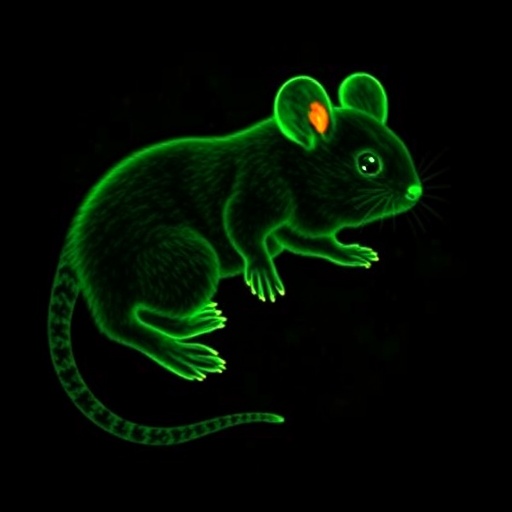
Upon evaluating the effects of native probiotic strains, researchers utilized a controlled environment with mice as their biological model. They administered nickel to these subjects and subsequently introduced the probiotics. This stratagem was designed to discern the significant differences in lung tissue responses between the probiotic-treated groups and the control sets. The resulting data stood as testament to the immunomodulatory effects of probiotics in halting the detrimental cellular pathways activated by nickel exposure.
Surprisingly, the findings demonstrated that those mice receiving the native probiotic strains not only exhibited lower levels of inflammatory markers but also showcased decreased oxidative stress levels in their lung tissues. The results may suggest that these probiotics assist to enhance the antioxidant capacity within the lungs, thereby offering a dual protective role against both oxidative stress and inflammation caused by toxic metal exposure. This revelation may lead to the development of new health supplements or therapeutic strategies for individuals in nickel-polluted environments.
Moreover, the potential mechanism of action behind the probiotics’ beneficial effects was scrutinized extensively. Researchers noted that these native strains may engage in beneficial interactions with lung epithelial cells, facilitating the secretion of protective enzymes and boosting local immune responses. This mechanism highlights the intricate relationships between gut health and lung function, and how probiotics can serve as a bridge between these two systems.
Additionally, the implications of the study reach broader societal and environmental health discussions. Communities frequently exposed to nickel, whether through industrial work or environmental pollutants, could greatly benefit from incorporating probiotic-rich diets or supplements. Education about these health strategies could empower individuals to take control of their health in the face of industrial pollution, thus enhancing community resilience against toxic exposures.
Still, the findings raise intriguing questions for future research endeavors. While preliminary results are optimistic, it remains pivotal to ascertain the long-term effects of probiotic supplementation in populations at risk of nickel exposure. Longitudinal studies, in conjunction with controlled human trials, will be essential to confirm these potential benefits and clarify the best strains and dosages for maximum efficacy.
As researchers further explore the complex dynamics between heavy metal toxicity and the microbiome, it becomes clear that probiotics offer a fascinating solution worthy of additional investigation. The potential utility of probiotics as a simple yet effective approach to mitigating environmental toxicity points to an exciting frontier in pharmacology and toxicology research. This study is not merely an isolated investigation; it is a stepping stone toward understanding how we can harness natural organisms to combat the adverse effects of modern industrial challenges.
As discussions around environmental sustainability and health continue to grow, studies like these provide actionable insights. By focusing on native probiotic strains, researchers underline the power of localized solutions in tackling overarching global issues. The participants in the study have made strides not just in laboratory conditions but in envisioning a world where traditional wisdom meets modern science to provide practical health strategies. This integration of microbiome research demonstrates how our understanding of health can evolve in tandem with our awareness of environmental challenges.
Looking ahead, the proliferation of such studies could breed a new awareness of the importance of gut health in connection with systemic operations—encouraging individuals to take more holistic approaches to wellness. As the impact of environmental toxins on lung health becomes more pronounced, the application of probiotics as a preventive tool may very well redefine how society approaches both public health and environmental protection.
In conclusion, the findings from this significant research underscore an essential message: the health of our ecosystems and the wellbeing of our bodies are interlaced. Through advancing our understanding of probiotics’ role in managing heavy metal toxicity, we open up avenues for innovative health interventions—offering hope amid the challenges posed by industrial pollution.
Subject of Research: Nickel-Induced Toxicity and Probiotic Protection
Article Title: Mitigating nickel-induced toxicity: the protective role of native probiotic strains on oxidative stress and inflammatory pathways in mice lung tissues.
Article References:
Jouriani, F.H., Khiavi, E.H.A.G., Rezaie, N. et al. Mitigating nickel-induced toxicity: the protective role of native probiotic strains on oxidative stress and inflammatory pathways in mice lung tissues. BMC Pharmacol Toxicol 26, 211 (2025). https://doi.org/10.1186/s40360-025-01047-2
Image Credits: AI Generated
DOI: https://doi.org/10.1186/s40360-025-01047-2
Keywords: Nickel toxicity, probiotics, oxidative stress, inflammation, lung health, heavy metals, environmental pollution, microbiome.
Tags: cellular dysfunction from heavy metalschronic health issues from nickel exposureheavy metal exposure health impactsinnovative approaches to environmental health challengeslung health and environmental toxinsnative probiotic strains in medicinenickel pollution and human healthoxidative stress and inflammationprobiotics and nickel toxicityprotective role of probiotics in toxicologyresearch on probiotics and lung healththerapeutic interventions for lung toxicity