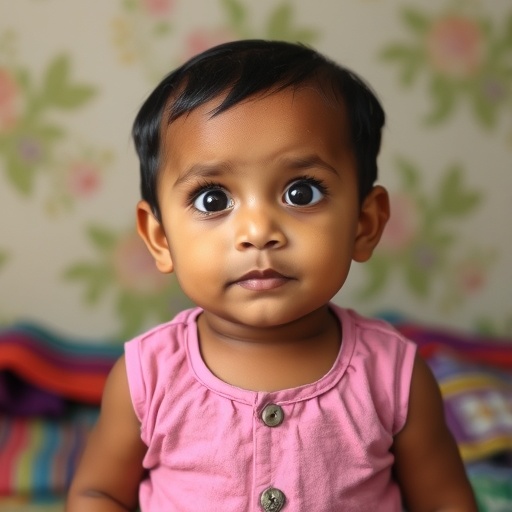
In a groundbreaking new study, a team of researchers has illuminated the complexities surrounding healthcare-seeking behavior for acute respiratory infections (ARI) and pneumonia-like symptoms in children under two years of age living in urban slums in and around Dhaka City, Bangladesh. This research sheds light on a critical public health issue, particularly in low-income countries where such illnesses are prevalent among vulnerable populations. The study reveals a nuanced understanding of various determinants that influence caregivers’ decisions when faced with the health crises of these young children.
The escalating rates of ARI and pneumonia-like symptoms in young children have awakened a pressing concern for health advocates and policymakers. Each year, millions of children worldwide experience severe ailments due to respiratory infections, contributing significantly to child mortality rates in impoverished regions. The consequential need for effective interventions and strategies is paramount, especially in densely populated urban slums like those surrounding Dhaka City, where healthcare accessibility is often limited.
This current investigation employs a mixed-method approach, enabling researchers to assess both quantitative data and qualitative insights derived from interviews with caregivers. The direct testimonials provided by parents and guardians offer a poignant glimpse into the multitude of factors that inform their decisions on when and where to seek medical assistance for their sick children. These firsthand accounts not only enrich the data collected but also highlight the intricate interplay of socio-economic status, cultural beliefs, and healthcare infrastructure.
One of the primary findings indicates that economic constraints are pivotal in determining the care-seeking behavior of caregivers. Many families in the urban slums face dire financial challenges, which can delay or even prevent them from accessing necessary healthcare services. These limitations manifest in various forms, from the inability to afford transportation to healthcare facilities to the costs associated with treatment itself. This barrier reflects a broader systemic issue tied to poverty that exacerbates the health risks faced by children in impoverished communities.
Another crucial determinant uncovered is the level of education among caregivers, which strongly correlates with their health-seeking behavior. The study reveals that caregivers with higher educational attainment are significantly more likely to recognize the symptoms of ARI and pneumonia in their children and act promptly to seek medical treatment. This insight underscores the importance of health literacy in empowering families to make informed health choices, suggesting that educational interventions could help mitigate the impacts of respiratory infections on young populations.
Furthermore, cultural beliefs about illness also significantly influence care-seeking behavior. The study notes that some caregivers exhibited a preference for traditional remedies and practices, often delaying consultation with qualified healthcare professionals. These cultural perceptions can sometimes hinder timely medical intervention, highlighting the necessity for culturally sensitive health education that respects traditional beliefs while advocating for evidence-based medical practices.
Accessibility to healthcare services stands out as a key theme throughout the analysis. Several barriers inhibit caregivers from reaching healthcare providers, including long distances to medical facilities, inadequate public transportation, and the lack of female healthcare personnel, which may prevent women from seeking medical attention. Addressing these logistical challenges will be crucial for improving health outcomes for children in these vulnerable urban settings.
The presence of healthcare stigma was also recorded in the study. Many caregivers reported fears of judgment or discrimination based on socio-economic status or past experiences with the healthcare system. Such stigma can deter individuals from seeking help, resulting in worse health outcomes. Creating an inclusive atmosphere in healthcare facilities is essential in overcoming these barriers and promoting care-seeking behavior among low-income populations.
The researchers advocate for targeted public health initiatives that not only improve access to healthcare services but also foster a greater understanding of respiratory illnesses among caregivers. Initiatives may include community outreach programs aimed at educating families about the symptoms, risks, and treatment options for ARI and pneumonia. Educational campaigns can help empower caregivers to act decisively when their children exhibit concerning symptoms, thereby reducing the incidence of severe outcomes associated with these illnesses.
Additionally, partnerships between local health authorities and community organizations are suggested to enhance healthcare access and service delivery. By mobilizing community resources and leveraging local knowledge, such collaborations can effectively address the barriers to care and enhance health-seeking behaviors among caregivers. These collaborative efforts are critical in adapting innovative solutions tailored to the specific needs of urban slum populations.
The commitment to researching and addressing healthcare-seeking behaviors in vulnerable communities is not merely an academic endeavor; it is a moral imperative. Health practitioners, policymakers, and social scientists must converge to strategize, design, and implement effective interventions that tackle the multifaceted nature of child health in low-income settings. By fostering a holistic understanding of the determinants of care-seeking behavior, stakeholders can forge pathways towards healthier futures for the youngest and most vulnerable members of society.
In conclusion, the study conducted by Tune et al. illuminates the intricate factors shaping healthcare-seeking behavior for ARI and pneumonia-like symptoms among under-2 children in urban slums of Dhaka. The findings serve as a clarion call for action aimed at mitigating the health disparities faced by impoverished communities. Only through collaborative efforts, comprehensive education, and an understanding of local contexts can we hope to improve health outcomes for these children and ensure they receive the care they so desperately need.
By addressing socio-economic, cultural, and systemic barriers to healthcare, stakeholders can make significant strides toward reducing child mortality rates due to ARI and other preventable illnesses. The path to a healthier future for children in urban slums begins with understanding their unique challenges and embracing a multifaceted approach to healthcare improvement.
Subject of Research: Determinants of care-seeking for ARI/Pneumonia-like symptoms among under-2 children in urban slums in Dhaka City, Bangladesh.
Article Title: Correction: Determinants of care-seeking for ARI/Pneumonia-like symptoms among under-2 children in urban slums in and around Dhaka City, Bangladesh.
Article References: Tune, S.N.B.K., Kibria, G.M.A., Islam, M.Z. et al. Correction: Determinants of care-seeking for ARI/Pneumonia-like symptoms among under-2 children in urban slums in and around Dhaka City, Bangladesh. Sci Rep 15, 44307 (2025). https://doi.org/10.1038/s41598-025-30517-0
Image Credits: AI Generated
DOI:
Keywords: Care-seeking behavior, acute respiratory infections, pneumonia, child health, urban slums, Dhaka, Bangladesh, healthcare accessibility, cultural beliefs, education, socio-economic status, health literacy.
Tags: acute respiratory infections in childrencaregivers decision-making in healthcarechild mortality rates in low-income countrieschild pneumonia care-seeking behaviordeterminants of health-seeking behaviorDhaka City public health issueshealthcare accessibility in urban slumsinterventions for child respiratory infectionsmixed-method research in health studiespneumonia symptoms in young childrenqualitative insights from caregiver interviewsurban health challenges in Bangladesh