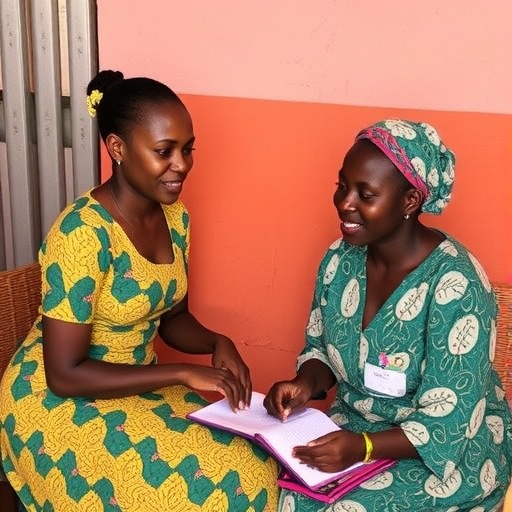
In a groundbreaking approach to public health, a recent study led by K. Effah, E. Tekpor, and J.E. Amuah delves into the transformative potential of community health insurance schemes in increasing accessibility to Human Papillomavirus (HPV) screening in Ghana. HPV, a virus linked to various cancers including cervical cancer, poses a significant health challenge, particularly in low-resource settings where traditional healthcare pathways often fail to meet the needs of the population. The researchers aimed to not only increase screening rates but also to glean important lessons from their methodology that could potentially guide similar initiatives worldwide.
The study involved a community health initiative targeting teachers—a demographic often acknowledged for its pivotal role in influencing societal health behaviors. By focusing on this unique group, the researchers aimed to create a ripple effect, encouraging healthy practices that could spread throughout the community. The researchers utilized a mixed-methods approach, collecting both qualitative and quantitative data to assess the impacts of their screening exercise. This multifaceted strategy allowed for a comprehensive understanding of the barriers and enablers surrounding HPV screening in Ghana’s educational sector.
One of the key findings highlighted in the study is the significant role of community health insurance schemes in mitigating financial barriers to healthcare access. In many low-income contexts, the cost of healthcare remains a major hurdle for individuals seeking preventative services like HPV screening. By integrating these screenings into community insurance programs, the researchers noted a marked increase in participation rates. This insight is critical for policymakers seeking effective strategies to enhance public health outcomes across similar demographics.
Additionally, cultural perceptions surrounding HPV and related health issues emerged as a central theme in the study. The researchers found that misinformation and stigma often deter individuals from seeking necessary screenings and treatments. Through targeted educational campaigns that accompanied the screening exercises, participants were able to receive information aimed at dispelling myths and promoting health-seeking behaviors. This dual-pronged approach of facilitating access while also educating the population proved to be a vital aspect of the initiative’s success.
Furthermore, the involvement of local schools served to strengthen the initiative’s outreach. Teachers, being influential figures in their communities, played a crucial role in normalizing discussions about HPV and health screenings. The study emphasizes the importance of leveraging existing community structures to foster health-promoting behaviors. Engaging trusted community leaders and educators can significantly enhance the credibility of public health messages, thereby increasing their effectiveness.
The methodology employed in this study also sheds light on the potential scalability of such initiatives. Researchers advocate for the adaptation of their strategies within various demographic and geographical contexts to address the growing global burden of HPV-related diseases. Future studies could explore the implementation of similar screening programs in other regions, examining the context-specific factors that may affect uptake and success.
Moreover, electronic health records and data tracking emerged as invaluable tools in the initiative. The researchers utilized technology to monitor participation rates and follow up with individuals who might have missed their screenings. Employing digital solutions can bridge gaps in healthcare provision, especially in rural areas where access to physical healthcare facilities remains limited. This tech-driven approach highlights the importance of innovation in modern public health strategies.
Community engagement was another pivotal factor underpinning the study’s success. By involving residents in the planning and execution of the screening initiative, participants felt a sense of ownership and responsibility towards its outcomes. This empowerment is essential for fostering sustainable health practices within communities. The researchers noted that when individuals actively participate in their health interventions, they are more likely to embrace the behaviors being promoted.
The impact of this study extends beyond immediate health outcomes. By establishing a successful model for HPV screening, the researchers contribute to the broader conversation surrounding preventive healthcare within low-resource settings. As world leaders increasingly prioritize universal health coverage, initiatives such as these serve as important case studies demonstrating the potential for innovative solutions to complex health challenges.
As countries grapple with the implications of various public health crises, the value of investing in preventive measures cannot be overstated. The findings underscore the urgent need for governments to reassess existing health policies and strive towards inclusive solutions that address the unique needs of their populations. The ultimate goal should be to dismantle barriers to health access, ensuring that everyone, regardless of their socio-economic status, can access essential preventive services.
In conclusion, the work led by Effah, Tekpor, and Amuah signifies a significant stride towards expanding healthcare access in Ghana through the lens of HPV screening. The lessons learned from this initiative may provide a blueprint for similar efforts globally. As we move forward, it is essential to continue fostering innovative approaches that prioritize community engagement, educational outreach, and the integration of technology in healthcare delivery. Such strategies are not only critical in combating HPV but are also transformative in enhancing overall public health systems worldwide.
Subject of Research: HPV screening accessibility through community health insurance schemes in Ghana.
Article Title: Expanding access to HPV screening through community health insurance schemes: lessons from a screening exercise for teachers in Ghana.
Article References:
Effah, K., Tekpor, E., Amuah, J.E. et al. Expanding access to HPV screening through community health insurance schemes: lessons from a screening exercise for teachers in Ghana.
BMC Health Serv Res (2025). https://doi.org/10.1186/s12913-025-13859-3
Image Credits: AI Generated
DOI: 10.1186/s12913-025-13859-3
Keywords: HPV screening, community health insurance, Ghana, public health, teachers, health equity, preventive care, health education.
Tags: cervical cancer prevention strategiescommunity health insurance schemescommunity health interventions for cancer screeningeducational sector health promotionenhancing screening rates through insurancefinancial barriers to healthcare accesshealth behavior influence among teachersHPV screening access in Ghanamixed-methods research in healthcarepublic health initiatives in low-resource settingsqualitative and quantitative data in health studiestransformative public health approaches