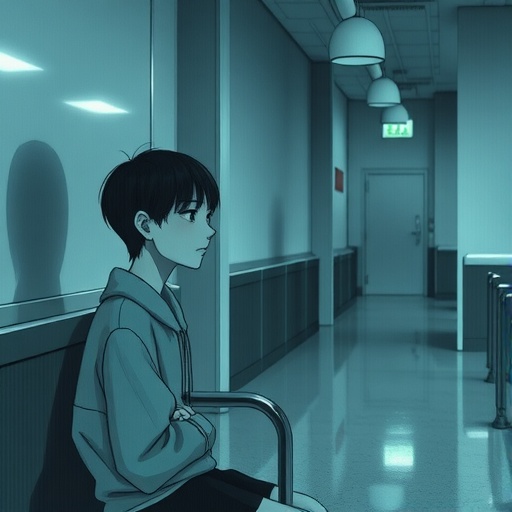
In an intriguing exploration of modern psychological phenomena, researchers have linked the risk of autism to a phenomenon known as Hikikomori, a form of extreme social withdrawal primarily recognized in Japan. This new study provides a deeper understanding of how these two conditions relate to various aspects of mental health, notably loneliness and solitude. The implications of these findings extend far into the realms of both clinical psychology and social science, challenging existing norms and perceptions of autism and social behavior.
Hikikomori refers to individuals who isolate themselves in their homes for extended periods, often avoiding social interactions entirely. Traditionally, this condition has been associated with cultural contexts that emphasize social conformity and the pressures of academic success. However, the study conducted by Muris and colleagues presents a broader perspective by examining Hikikomori in conjunction with autism, arguing that there may be an inherent link between these two states that transcends cultural boundaries and existing psychosocial frameworks.
In the context of the study, autism is defined not merely as a neurodevelopmental disorder, but as a complex condition that can vastly alter an individual’s perception and engagement with the world. Autistic individuals often experience heightened levels of anxiety in social situations, which may propel them towards isolation. This interplay between autism and the risks associated with Hikikomori offers a unique lens through which to examine the mental health crisis affecting countless individuals today.
The researchers explored how traits commonly associated with autism, such as impaired social communication and sensory sensitivities, may heighten a person’s vulnerability to experiencing Hikikomori. Anxiety surrounding social interactions can lead to increased feelings of loneliness, further complicating the emotional and psychological landscape for those affected. These dynamics emphasize the need for early intervention and support systems tailored to meet the unique needs of individuals on the autism spectrum.
Loneliness, a central theme in this research, is not just an emotional state but one that can have tangible effects on physical health. Studies have repeatedly shown that chronic loneliness can lead to various health issues, including cardiovascular disease, depression, and cognitive decline. Muris et al. argue that understanding the mechanisms of loneliness in relation to autism can guide healthcare professionals in creating effective interventions that mitigate the long-term health risks associated with prolonged social isolation.
Solitude, while often seen as a negative experience, can have nuanced implications. The subjective experience of solitude varies dramatically between individuals and contexts. Some autistic individuals may find solace in solitude, while others might experience it as a profound loneliness. The study emphasizes the importance of recognizing these differing experiences and the role they play in the mental health of individuals who face the dual challenge of autism and social withdrawal.
Another layer to this research is the societal response to both autism and Hikikomori. In communities where understanding of these issues is lacking, stigmatization can exacerbate the feelings of isolation. The researchers advocate for societal awareness, emphasizing that educating the public can foster a more accepting environment that encourages individuals to seek help rather than retreat further into isolation. This cultural shift is deemed essential for breaking the cycle of withdrawal and loneliness prevalent among affected individuals.
As the study delves deeper into the relationships among autism, Hikikomori, loneliness, and solitude, it postulates that there might be common underlying cognitive patterns or emotional processes linking these phenomena. For instance, how some autistic individuals process social stimuli could correlate with the tendencies seen in Hikikomori. This overlap invites further investigation into psychological frameworks that might be used to understand and ultimately treat both conditions more effectively.
Emerging from this research is the vital role of mental health professionals in identifying at-risk individuals. Regular screenings and proactive mental health care could play pivotal roles in preventing the descent into Hikikomori. Early identification of those exhibiting traits related to both autism and withdrawal can facilitate timely interventions, easing the transition back into a more socially connected life.
The implications of this research extend beyond individual cases to influence policy and societal attitudes. Lawmakers and educational institutions can play critical roles in establishing frameworks that support mental health initiatives, promote awareness, and facilitate community connection. Understanding the delicate balance between solitude and social engagement is essential for creating environments that foster psychological well-being, particularly for young people grappling with the dual pressures of autism and societal expectations.
Ultimately, the study by Muris et al. is a call to action. It begs the question of how modern society can best support individuals navigating these complex psychological experiences. A combined effort from families, educators, healthcare providers, and the wider community is essential to create a supportive network that promotes mental health and combats the risks associated with Hikikomori and autism.
As our understanding of the interplay between autism and Hikikomori deepens, researchers are urged to continue their inquiries. The complexities of human behavior deserve a multidisciplinary approach, integrating insights from psychology, sociology, and cultural studies. Only then can we hope to address the multifaceted challenges posed by these phenomenon effectively, ensuring that no one feels the silent sting of loneliness alone.
This research highlights a growing need for empathy and understanding in our rapidly evolving society. It serves as a reminder that behind every statistic is a person, often grappling with invisible battles. The findings encourage us all to lend a hand in eliminating the stigma surrounding mental health issues, inviting those who need help to step into the light rather than continuing to withdraw into shadows of solitude.
As we move forward, it is paramount to adopt a holistic perspective on mental health, encompassing not only the clinical aspects of diagnosis and treatment but also the cultural implications of well-being and social interaction. By embracing this comprehensive view, we can better support individuals at risk of both autism and Hikikomori as they navigate their unique journeys through life.
Subject of Research: Autism and Hikikomori Risk: A Link Beyond Other Psychopathologies, and Their Relationship to Loneliness and Solitude
Article Title: Autism and Hikikomori Risk: A Link Beyond Other Psychopathologies, and Their Relationship to Loneliness and Solitude
Article References:
Muris, P., Donkers, F., Deckers, A. et al. Autism and Hikikomori Risk: A Link Beyond Other Psychopathologies, and Their Relationship to Loneliness and Solitude. J Autism Dev Disord (2025). https://doi.org/10.1007/s10803-025-07180-5
Image Credits: AI Generated
DOI: https://doi.org/10.1007/s10803-025-07180-5
Keywords: Autism, Hikikomori, Loneliness, Solitude, Mental Health, Social Withdrawal
Tags: anxiety in autistic individualsautism and hikikomori connectionautism research and social dynamicscultural factors in autismexploring solitude in mental healthimplications for clinical psychology and social scienceloneliness in modern societymental health implications of isolationpsychological phenomena of hikikomorisocial behavior and conformitysocial withdrawal and lonelinessunderstanding autism beyond neurodevelopmental disorders