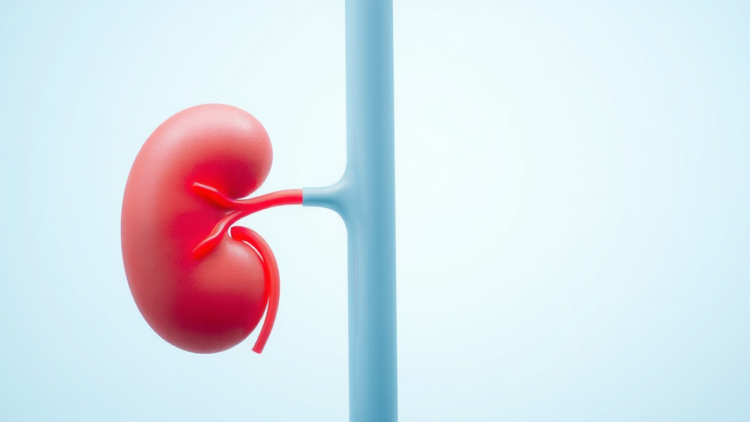
In recent years, the quest for effective diagnostic markers in pediatric urology has gained significant momentum. Among these efforts, a recent study spearheaded by Kutukoglu and colleagues shines a spotlight on the potential of the spot urine CA 19-9/creatinine ratio as a novel diagnostic and management tool for hydronephrosis in children. Hydronephrosis, characterized by the swelling of a kidney due to a build-up of urine, poses unique challenges in pediatric care, making this study both timely and crucial.
The study’s cohort consisted of children diagnosed with hydronephrosis, providing a diverse sample that reflects the complexities of this condition. Traditional diagnostic methods often rely heavily on imaging techniques, such as ultrasound and MRI, which, while useful, are not always conclusive. This study sought to evaluate whether a relatively simple, non-invasive laboratory test could yield equally valuable insights into the diagnosis and management of hydronephrosis.
The rationale behind the use of the CA 19-9 biomarker is rooted in its association with pancreatic and biliary tract conditions. However, its applicability in urology, particularly in pediatric populations, remains underexplored. This study took a step toward bridging that gap by examining the correlation between urinary CA 19-9 levels and hydronephrosis severity, aiming to establish a reliable relationship that could inform clinical decisions.
One of the key strengths of this research is its prospective design, which allows for the collection of real-time data and the observation of changes over the course of treatment. By following children longitudinally, the researchers could assess not only the initial diagnostic accuracy of the CA 19-9/creatinine ratio but also its utility in monitoring disease progression and treatment efficacy over time.
Data collection involved analyzing spot urine samples from participants, measuring both CA 19-9 and creatinine levels. This method is advantageous due to its simplicity and non-invasive nature, especially important in pediatric populations where comfort and cooperation can be significant barriers to diagnosis and treatment. Parents and children alike may find less distress in providing a urine sample compared to imaging procedures or invasive testing.
Initial findings from the study indicated a promising correlation between elevated levels of urinary CA 19-9 and the severity of hydronephrosis. Specifically, researchers observed that higher ratios of CA 19-9 to creatinine were associated with greater degrees of kidney dilation. This suggests that the aforementioned biomarker could serve not only as an indicator of presence but also of the severity of hydronephrosis, potentially offering a more nuanced understanding of the patient’s condition.
Moreover, the study emphasizes the need for integrating biomarker analysis into clinical practice. While imaging remains a cornerstone of hydronephrosis evaluation, incorporating urine analysis could provide a more comprehensive assessment strategy. This dual approach could enhance diagnostic accuracy and lead to more tailored interventions, ultimately improving patient outcomes.
Following the initial assessment, the research team also considered the implications of the CA 19-9/creatinine ratio in the context of treatment strategies. For instance, tracking changes in this biomarker could assist clinicians in determining when intervention is warranted versus when watchful waiting may be appropriate. This could prove particularly beneficial in cases where the hydronephrosis is mild and symptoms are not acute.
As with any study, limitations should be acknowledged. The sample size, while a primary focus, may still restrict the generalizability of the findings across broader pediatric populations. Additionally, further studies are warranted to evaluate the efficacy of this diagnostic tool in conjunction with various treatment modalities, including surgical interventions and conservative management approaches.
Moreover, further investigation could also explore the potential of this biomarker in predicting long-term outcomes for children undergoing treatment for hydronephrosis. Future research endeavors may focus on the long-term renal function of patients with elevated CA 19-9 levels, providing insights that could influence clinical recommendations.
The findings from this prospective study add a valuable layer of knowledge to the existing frameworks of diagnosing and managing hydronephrosis in children. As we continue to unravel the complexities of biomarkers in pediatric health, the integration of innovative research like this will be pivotal in shaping future clinical guidelines and improving patient care.
In conclusion, Kutukoglu and colleagues’ research brings forth a compelling case for the inclusion of the urinary CA 19-9/creatinine ratio in the diagnostic toolkit for pediatric hydronephrosis. This study not only challenges traditional paradigms but also opens the door for further exploration into non-invasive diagnostic strategies in urology. As researchers continue to dissect and understand the nuances of biomarkers, the goal will always remain consistent: to enhance the lives of children through precise, effective, and compassionate care.
Subject of Research: Evaluation of urinary CA 19-9 as a diagnostic marker for hydronephrosis in children.
Article Title: Evaluation of spot urine CA 19 − 9/creatinine ratio in diagnosis and management of hydronephrosis in children: a prospective study.
Article References:
Kutukoglu, M.U., Altuntas, T., Sekerci, C.A. et al. Evaluation of spot urine CA 19 − 9/creatinine ratio in diagnosis and management of hydronephrosis in children: a prospective study.
BMC Pediatr (2025). https://doi.org/10.1186/s12887-025-06453-3
Image Credits: AI Generated
DOI:
Keywords: urinary biomarkers, hydronephrosis, pediatric urology, CA 19-9, creatinine ratio, non-invasive diagnostics.
Tags: challenges in pediatric kidney carecorrelation between CA 19-9 and hydronephrosis severityhydronephrosis management strategiesimaging techniques in urologynon-invasive diagnostic toolsnovel biomarkers in pediatric medicinepediatric hydronephrosis diagnosispediatric urology advancementsresearch on hydronephrosis in pediatricsspot urine CA 19-9 biomarkerurinary biomarkers in childrenurinary CA 19-9 creatinine ratio