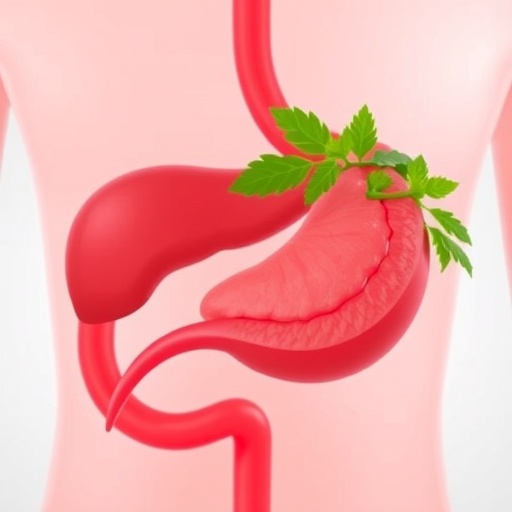
In a groundbreaking study published in BMC Complementary Medicine and Therapies, a team of researchers led by Shinsuke Watanabe has unveiled significant findings regarding the impact of daikenchuto, a traditional Japanese herbal medicine, on hepatobiliary injury in colon cancer patients post-colectomy. This pioneering retrospective cohort study aims to assess the risks associated with daikenchuto and its implications for the liver and bile ducts during a critical recovery period for patients who have undergone surgery for colon cancer.
Colon cancer remains a leading cause of cancer-related morbidity and mortality worldwide. With surgical resection being a cornerstone of treatment, the recovery phase necessitates effective management strategies to mitigate potential complications. Among these complications, hepatobiliary injury poses a significant risk, often complicating postoperative recovery and impacting patients’ quality of life. The utilization of complementary therapies like daikenchuto presents an intriguing avenue for enhancing recovery, yet comprehensive risk assessments are crucial.
Daikenchuto, composed of several herbal ingredients including ginger, ginseng, and others, has been traditionally used to stimulate digestion and promote recovery. However, its effects on liver function, particularly after major surgical interventions such as colectomy, remain insufficiently understood. The researchers undertook an extensive investigation to elucidate the correlation between daikenchuto administration and hepatobiliary complications in colon cancer surgical patients.
The study examined a cohort of colon cancer patients who underwent colectomy between 2015 and 2020, with a focus on those who received daikenchuto postoperatively. Through the meticulous analysis of medical records, the team evaluated the incidence of hepatobiliary injury, considering various confounding factors such as age, sex, cancer stage, and other comorbidities. Results indicated a critical need for nuanced understanding, as the potential benefits of daikenchuto must be balanced against the risk of hepatobiliary complications.
Furthermore, the researchers employed advanced statistical methods to determine the significance of their findings. This included the use of multivariate analyses, enabling a more refined understanding of the interplay between daikenchuto use and hepatobiliary injury. Despite the inherent complexities of studying such relationships, the data revealed a concerning trend that merits further exploration, particularly in the context of individualized patient care.
Importantly, the findings spotlight the necessity for heightened awareness among healthcare professionals regarding the implications of herbal medicine in postoperative settings. This awareness is paramount not only for patient education but also for fostering informed discussions around complementary therapies. As complementary medicine continues to gain traction, integrating findings from studies like this one into clinical practice could guide more informed decision-making.
The authors assert that while daikenchuto may offer potential benefits in terms of recovery, clinicians must carefully consider the risk factors associated with its use, especially in patients predisposed to hepatobiliary complications. This study encourages a more personalized approach to postoperative care, emphasizing the importance of tailored treatment plans that align with individual patient needs and conditions.
While the results are significant, the researchers also caution against overgeneralization. The retrospective design of the study inherently carries limitations, including potential biases in data interpretation. As such, the authors recommend that future prospective studies be conducted to validate these findings and further explore the mechanisms underlying daikenchuto’s effects on liver function.
Moreover, there is a pressing need to continue exploring the pharmacological properties of daikenchuto and its constituents. Understanding how these herbal compounds interact within the body, particularly in the context of healing and recovery, could illuminate their potential roles in integrative oncology. Researchers advocate for a multidisciplinary approach, combining insights from traditional medicine with modern scientific research to improve patient outcomes.
In conclusion, Watanabe and colleagues’ research sheds light on a critical yet complex aspect of postoperative care for colon cancer patients. By addressing the risks associated with daikenchuto, this study serves as a catalyst for further exploration into the safe integration of complementary therapies in medical practice. With a growing interest in natural medicines, ongoing investigations like this are essential in ensuring that patients receive comprehensive care that prioritizes safety and efficacy.
As the medical community grapples with the increasing prevalence of complementary medicine, studies that critically analyze the benefits and risks of these therapies are invaluable. The findings of this research not only contribute to the existing body of literature but also elevate the conversation around postoperative recovery in cancer care, emphasizing the importance of informed patient choices and holistic treatment approaches.
Subject of Research: The impact of daikenchuto on hepatobiliary injury in colon cancer patients following colectomy.
Article Title: Risk assessment of daikenchuto-induced hepatobiliary injury in colon cancer patients post-colectomy: a retrospective cohort study.
Article References:
Watanabe, S., Wada, Y., Nagata, J. et al. Risk assessment of daikenchuto-induced hepatobiliary injury in colon cancer patients post-colectomy: a retrospective cohort study. BMC Complement Med Ther 25, 442 (2025). https://doi.org/10.1186/s12906-025-05186-1
Image Credits: AI Generated
DOI: https://doi.org/10.1186/s12906-025-05186-1
Keywords: Daikenchuto, colon cancer, hepatobiliary injury, postoperative care, herbal medicine, retrospective cohort study.
Tags: colon cancer postoperative recoverycomplementary therapies for cancer recoverydaikenchuto hepatobiliary risksenhancing quality of life post-surgeryginger and ginseng in recoveryhepatobiliary injury in colon cancerimpacts of herbal medicine on surgeryliver function after colectomymanagement strategies for cancer complicationsretrospective cohort study in oncologyrisks of herbal supplements in surgerytraditional Japanese herbal medicine