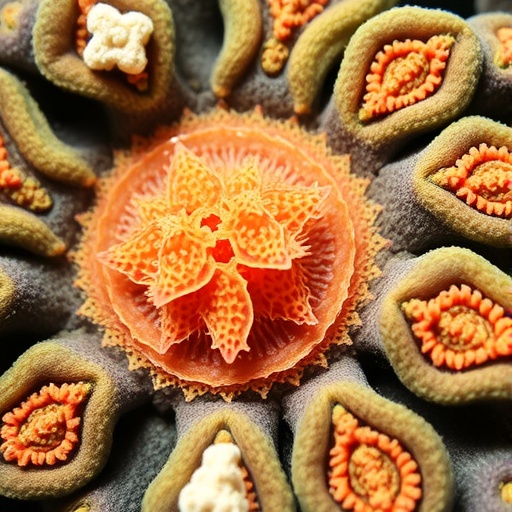
In the relentless pursuit to decipher the mysteries of the Arctic ecosystem, researchers have turned their attention to the intriguing world of bryozoans. These small, moss-like sea creatures play a critical role in the marine biodiversity of the high Arctic littoral zones. In a groundbreaking study led by Evseeva and Dvoretsky, published in the distinguished journal Sci Nat, the authors present an in-depth analysis of bryozoan communities, focusing on their latitudinal variations across a wide expanse of Arctic waters. The implications of their findings are significant, revealing not only the ecological intricacies of these organisms but also shedding light on the broader implications of climate change in polar regions.
Bryozoans, often overlooked in the larger discussions about marine life, serve as essential indicators of environmental health. This study emphasizes how these organisms respond to varying latitudinal conditions, providing insights into their adaptation mechanisms. Observing bryozoans in key Arctic locations allows researchers to note the subtle, yet profound, shifts in community composition as one moves from warmer to colder waters. By cataloging and comparing these communities, researchers can draw conclusions about the resilience of marine species in the face of evolving climatic conditions.
The Arctic’s unique ecosystems are continually at the mercy of climate change. Rising sea temperatures, melting ice caps, and shifting ocean currents are not just perched at the fringes of scientific study; they are actively reshaping marine habitats. The bryozoan communities discussed in this research are emblematic of larger changes occurring throughout the Arctic. Such communities provide a window into ecological transformations, acting as bioindicators that reflect the health and stability of their surroundings.
In their comparative analysis, Evseeva and Dvoretsky meticulously documented the diversity and distribution of bryozoan species across several Arctic sites. Their methodological approach included both field and laboratory assessments, enabling a comprehensive understanding of these creatures. Through careful sampling and examination, the researchers identified key species that thrive under various environmental conditions, delivering a rich dataset for future studies. Each find instills a sense of wonder, as the patterns of life manifest in some of the planet’s most extreme environments.
The implications of the research extend beyond mere academic interest. The Arctic region holds significant geopolitical importance, and understanding its marine biodiversity is vital for resource management and conservation efforts. By illuminating the dynamics of bryozoan communities, this study provides the groundwork for essential policy discussions surrounding Arctic marine ecosystems. The wealth of data gathered can aid in shaping conservation strategies that are both effective and forward-thinking.
The research also resonates with the urgent conversations surrounding ocean health and climate responsibility. As the global community grapples with the realities of climate change, studies like this one are crucial for informing stakeholders about the intricate connections within ecosystems. Bryozoans, as foundational elements of marine biodiversity, highlight the necessity of pursuing sustainable practices that ensure these delicate communities can withstand the pressures of environmental change.
Additionally, the article emphasizes the value of interdisciplinary collaboration in marine research. The confluence of biology, climate science, and conservation efforts exemplifies how complex challenges require multifaceted solutions. The synergy between various scientific fields enriches the discourse, fostering innovative approaches to tackle the pressing issues of our time. This collaboration is vital, particularly in the context of the Arctic, where rapid changes necessitate expedited research efforts.
Moreover, public engagement plays a crucial role in fostering awareness about Arctic ecosystems. As the study highlights the importance of bryozoans, it also opens the floor for discussions about marine policy and environmental stewardship. Engaging the public in conversations around this research can create a broader understanding of biodiversity and encourage proactive measures toward conservation.
As we reflect on the findings of this research, it becomes evident that understanding the intricacies of bryozoan communities serves as a microcosm through which we can view larger ecological phenomena. By unraveling the complexities of these littoral habitats, we gain a clearer perspective on how marine life adapts and endures amid changing conditions. The study ultimately serves as a call to action for continued exploration and examination of Arctic ecosystems, urging stakeholders to prioritize the conservation of these vital regions.
In conclusion, Evseeva and Dvoretsky’s study marks a significant advancement in Arctic marine science. The exploration of bryozoan communities illustrates the interconnectedness of ecological health and climate dynamics, highlighting how minute creatures hold important answers about the future of our oceans. The findings will undoubtedly contribute to the ongoing dialogue about environmental stewardship and the essential role of biodiversity in sustaining the planet’s ecological integrity.
As researchers continue to unveil new layers of understanding about the Arctic, it is clear that studies like this one paradigm shifts our interpretation of marine ecosystems. By placing bryozoans in the spotlight, the authors compel us to rethink our approach to marine conservation and to acknowledge the intricate web of life that exists in even the most inhospitable environments. The research offered by Evseeva and Dvoretsky lays the foundation for future explorations, calling upon a new generation of scientists to dive deeper into the Arctic’s hidden wonders.
Subject of Research: Littoral bryozoan communities in the high Arctic and their latitudinal comparison.
Article Title: Littoral bryozoan communities in the high Arctic: a latitudinal comparison.
Article References:
Evseeva, O.Y., Dvoretsky, A.G. Littoral bryozoan communities in the high Arctic: a latitudinal comparison.
Sci Nat 113, 4 (2026). https://doi.org/10.1007/s00114-025-02054-3
Image Credits: AI Generated
DOI: 10.1007/s00114-025-02054-3
Keywords: Bryozoans, Arctic ecosystems, climate change, marine biodiversity, environmental health.
Tags: adaptation mechanisms of marine speciesArctic littoral zone biodiversityArctic marine life researchbryozoan communities in the Arcticcommunity composition shifts in polar watersdeciphering Arctic ecosystem mysteriesecological indicators of environmental healthEvseeva and Dvoretsky study on bryozoansimpacts of climate change on Arctic ecosystemslatitudinal variations in bryozoan populationsmarine biodiversity in high Arctic regionsresilience of marine organisms in climate change