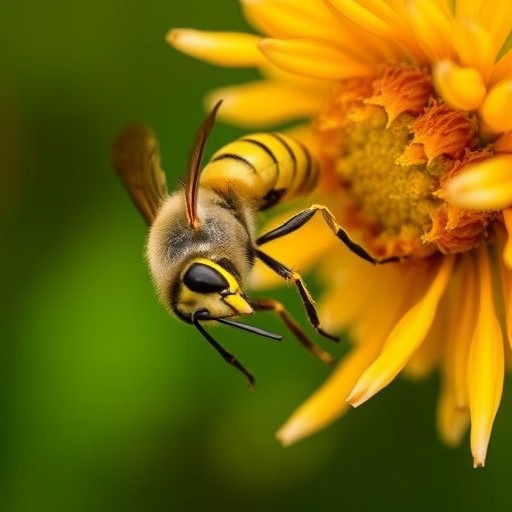
Wasp stings are not merely a nuisance for many individuals, especially the elderly. In a significant study published in the European Geriatric Medicine journal, researchers, including Li et al., observed a concerning trend regarding the risk factors and clinical characteristics of older adults who suffered multiple organ dysfunction due to wasp stings. This alarming investigation brings to light the often-overlooked consequences of these seemingly minor insect stings, especially in vulnerable populations.
Recent data emphasizes that as the global population ages, the incidents of severe allergic reactions can potentially become more pronounced in older adults. The physiological changes that accompany aging, such as decreased immune response and comorbidities, may exacerbate reactions to injuries like wasp stings. The authors of the study collected and analyzed data from various healthcare centers, examining how these reactions manifest uniquely in older patients, a demographic frequently neglected in similar research.
Strikingly, the study delineates that when older individuals face wasp stings, the risk of developing multiple organ dysfunction (MOD) escalates significantly. The exact mechanisms that underpin this vulnerability remain partially understood. However, the research indicates that inflammatory responses triggered by the venom can lead to systemic effects that compromise organ function, particularly in those already suffering from chronic illnesses.
Analysis of the clinical data revealed compelling correlations between underlying health conditions and the likelihood of MOD following wasp stings. Older patients with pre-existing cardiovascular ailments, diabetes, and respiratory diseases exhibited higher rates of complications post-sting. This finding underscores the importance of additional caution and preventive measures for older adults in environments where wasps are prevalent.
Moreover, the study details the clinical symptoms that older patients exhibit post-sting. Symptoms can vary widely, ranging from localized swelling and pain to more severe manifestations like confusion and organ failure. In many cases, patients presented with symptoms that could easily be mistaken for other age-related ailments, complicating timely diagnosis and treatment. The potential for delayed medical intervention could lead to disastrous outcomes, emphasizing the need for heightened awareness among caregivers and medical professionals.
In examining the psychological dimensions of such incidents, the investigation found that wasp stings can instill a profound sense of fear and anxiety among older individuals. This psychological toll is exacerbated by the very real threat of life-threatening allergic reactions. Many older adults may not feel secure engaging in outdoor activities due to their heightened vulnerability, thereby adversely affecting their quality of life.
The researchers also explored the environmental factors that increase the likelihood of encounters with wasps. Seasonal variations often see a rise in wasp populations, coinciding with the warmer months when more people, especially seniors, are likely to engage in outdoor activities. This seasonal increase can lead to an upsurge in wasp-related incidents. Therefore, preventive measures and awareness campaigns tailored for the elderly are imperative.
Caring for older adults involves not only treating existing medical conditions but also preemptive measures against potential hazards, such as insect bites. Enhanced education among this demographic about the risks—and ways to avoid them—can potentially save lives. For instance, strategies like wearing protective clothing, avoiding brightly colored garments, and steering clear of nests during outdoor gatherings can mitigate the risk of stings.
The researchers also advocate for advancements in the medical community’s approach to insect stings—specifically regarding older patients. Protocols should be developed that ensure rapid, effective response in treating wasp stings, particularly in emergency settings. Hospitals should be equipped with comprehensive guidelines to identify and manage MOD stemming from insect stings.
In the broader context, this study highlights the urgent need for further research to explore the long-term effects of wasp stings on older patients. As more people enter their senior years with complex health histories, understanding the interplay between age, immune response, and environmental hazards like wasp stings is critical in shaping future healthcare policies and practices.
The findings are also a clarion call for public health leaders and educators. Increased awareness at community levels can significantly influence proactive measures to protect our aging population. Workshops focusing on insect sting avoidance and emergency response training could profoundly impact how communities safeguard their elderly.
In conclusion, the research by Li et al. not only provides crucial insights into the clinical characteristics and risks associated with wasp stings in older adults but also advocates for a paradigm shift in how we view preventive care for this population. With the aging demographic continuously expanding, future investigations must address these looming challenges. By fostering understanding and resilience in our communities, we can create a safer environment for our older relatives to lead vibrant, active lives.
Subject of Research: Multiple organ dysfunction following wasp stings in older adults.
Article Title: Clinical characteristics of older people and risk factors for developing multiple organ dysfunction following wasp stings.
Article References:
Li, X., Li, H.M., Xu, J.L. et al. Clinical characteristics of older people and risk factors for developing multiple organ dysfunction following wasp stings. Eur Geriatr Med (2025). https://doi.org/10.1007/s41999-025-01385-8
Image Credits: AI Generated
DOI: 17 December 2025
Keywords: Wasp stings, older adults, multiple organ dysfunction, allergic reactions, healthcare, preventive measures, aging population.
Tags: aging and immune responseallergic reactions in elderlychronic conditions and wasp stingsgeriatric medicine researchhealthcare for elderly patientsinflammatory responses to insect stingsinsect sting severity in older adultsmultiple organ dysfunctionolder adultsrisk factors for wasp stingsvulnerable populations and insect biteswasp sting complications