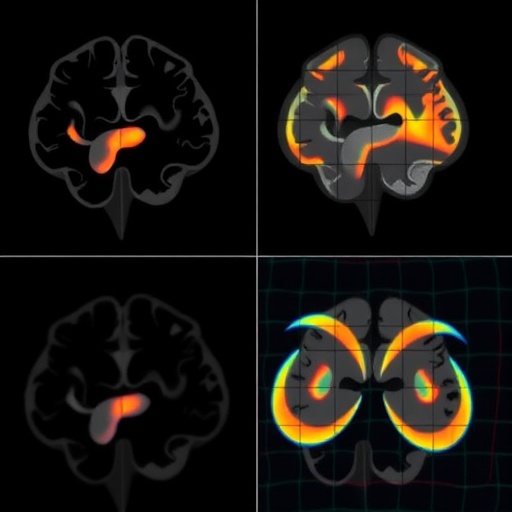
The consideration of sex as a biological variable has emerged as a pivotal aspect of research across various fields, especially in understanding complex diseases like Alzheimer’s. The 5xFAD Alzheimer’s Disease mouse model has long served as a cornerstone for preclinical studies, yet sex differences remain inadequately explored. Recent insights from a study conducted by Neuharth, Hernandez, and Bernholtz underscore the pressing need to recognize these differences in translational neuroscience, which can pave the way for more personalized therapeutic approaches.
Historically, the 5xFAD model has predominantly focused on male mice, reinforcing a male-centered perspective in Alzheimer’s research. This bias limits the understanding of the disease’s progression and symptomatology across different sexes. Data from various studies suggest that there are notable differences in disease onset and progression between male and female mice. Recognizing these differences is crucial for developing effective interventions that consider the unique biological makeup of each sex.
The lack of consideration for sex as a biological variable may not only stifle scientific advancement but also lead to ineffective treatment strategies. For example, female mice have shown a more robust inflammatory response to amyloid pathology, which is a hallmark of Alzheimer’s disease. This inflammatory response could influence other neurological outcomes, including cognitive decline, yet is often underrepresented in research focused predominantly on male models. Thus, the current understanding of Alzheimer’s disease may be skewed, influencing clinical practices that overlook the unique biology of women’s health.
Moreover, the neuroendocrine differences between sexes, particularly those driven by hormones such as estrogen, have been found to impact cognitive processes and neurodegenerative outcomes. Estrogen has neuroprotective properties that may modulate synaptic plasticity and memory function, offering a fertile ground for exploring how fluctuations in hormone levels throughout the lifespan impact Alzheimer’s risk and resilience. These insights stress the urgency for research that integrates sex differences into experimental designs and interpretations.
Investigating sex differences requires a multifaceted approach that encompasses genetic, hormonal, and environmental variables. The 5xFAD mouse model, with its defined genetic traits that mimic familial Alzheimer’s pathology, provides a unique platform for such investigations. By advancing the understanding of how these factors interplay, researchers can better elucidate the complexities surrounding this disease, ultimately guiding the development of nuanced therapeutic strategies.
Considering biological and behavioral influences across sexes adds another layer of complexity to Alzheimer’s research. Behavioral tasks that assess memory performance and anxiety can yield different results based on sex, pointing to the importance of tailored methodologies. Understanding these behavioral patterns is not just an academic exercise; it has real-world implications for designing interventions that are equally effective for both men and women.
In their study, Neuharth and colleagues advocate for the implementation of sex-inclusive research frameworks in all stages of study design and data interpretation. This includes not merely including female subjects but also strategically analyzing data with the intent of understanding sex as a variable that contributes to the disease landscape. This systemic approach can significantly contribute to elucidating how Alzheimer’s disease manifests differently in men and women, reshaping clinical and therapeutic paradigms.
Furthermore, the incorporation of sex differences in Alzheimer’s research can help address disparities in clinical outcomes. Many existing studies only loosely outline findings by sex, resulting in clinical recommendations that may not universally apply. By intensively studying sex differences, we can advocate for policies that ensure all patients receive the most effective care tailored to their specific biological context.
The study also sheds light on the historical context of gender biases in the field of neuroscience. For decades, the prevalence of male-only research designs has reflected broader societal norms that have often sidelined women’s health issues. As public awareness of the importance of gender equality in research grows, so too does the opportunity for a more balanced and comprehensive understanding of diseases like Alzheimer’s.
Realizing the significance of sex differences in Alzheimer’s research can lead to a paradigm shift in both scientific inquiry and clinical practice. The study by Neuharth et al. serves as a clarion call for researchers to embrace a more inclusive research ethos. Future studies should aim to fill the gaps left by historical biases, working toward a more equitable healthcare landscape for people affected by Alzheimer’s disease.
In conclusion, as Alzheimer’s research progresses, attention to sex as a biological variable must not only be prioritized but normalized in scientific inquiry. The collaboration among researchers, clinicians, and policymakers will be essential to integrate these findings into actionable strategies aimed at improving patient outcomes. It is time to break down the silo of male-centric research and acknowledge the significant contributions of female responses, fostering a deeper understanding of Alzheimer’s disease that ultimately benefits everyone.
Vigilance in addressing these disparities will not only foster a richer scientific dialogue but also ensure that both sexes receive the attention they deserve in the quest for effective treatments and cures. As the dialogue around sex differences continues to evolve, it presents an unprecedented opportunity to transform Alzheimer’s care into an inclusive, responsive, and patient-centered practice.
Ultimately, the future of Alzheimer’s research is bright, with the inclusion of sex differences poised to illuminate new pathways in our understanding of this complex and pervasive disease. The onus is now on the scientific community to ensure that both sexes are represented, paving the way for innovations that truly address the needs of all individuals facing the challenge of Alzheimer’s disease.
Subject of Research: Consideration of sex as a biological variable in the 5xFAD Alzheimer’s Disease mouse model.
Article Title: Consideration of sex as a biological variable over the history of the 5xFAD Alzheimer’s Disease mouse model.
Article References: Neuharth, J.I., Hernandez, K.S., Bernholtz, J. et al. Consideration of sex as a biological variable over the history of the 5xFAD Alzheimer’s Disease mouse model. Biol Sex Differ 16, 105 (2025). https://doi.org/10.1186/s13293-025-00788-3
Image Credits: AI Generated
DOI: https://doi.org/10.1186/s13293-025-00788-3
Keywords: Alzheimer’s disease, 5xFAD mouse model, sex differences, biological variability, neurodegenerative diseases, personalized medicine, gender bias in research.
Tags: 5xFAD mouse model implicationsbiological variables in neurosciencecognitive outcomes in Alzheimer’s diseaseevaluating sex as a biological variable in health studiesgender bias in Alzheimer’s studiesinflammatory response in female micelimitations of male-centered researchpersonalized therapeutic approaches for Alzheimer’ssex differences in Alzheimer’s researchsex-specific interventions in Alzheimer’s treatmenttranslational neuroscience and sexunderstanding Alzheimer’s progression by sex