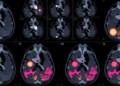
In an exciting advancement toward refining treatments for breast cancer, a multinational team of researchers has unveiled groundbreaking results from a phase 1 clinical trial targeting estrogen receptor-positive (ER+) and HER2-negative (HER2–) advanced or metastatic breast cancer. The study, recently published in Nature Communications, explores a novel therapeutic avenue based on the selective degradation of estrogen receptors (ER). This approach marks a pivotal shift in the management of ER+ breast cancer, a subtype that constitutes the majority of breast cancer cases worldwide and is often challenging to treat effectively, especially in advanced stages.
The estrogen receptor has long been recognized as a critical driver of breast cancer proliferation in ER+ tumors. Conventional therapies primarily rely on endocrine treatment strategies that either block the receptor’s activity or reduce estrogen production. However, resistance mechanisms frequently emerge, rendering these treatments less effective over time and leading to disease progression. The new therapeutic paradigm investigated in this phase 1 trial focuses not merely on inhibiting the receptor but on actively degrading it, thereby offering the potential to overcome resistance and achieve more sustained tumor suppression.
At the core of this study lies a class of compounds known as selective estrogen receptor degraders (SERDs). These molecules operate by binding to the estrogen receptor and promoting its degradation via the ubiquitin-proteasome system, effectively eliminating the receptor from cancer cells. This process halts the aberrant signaling cascade that fuels tumor growth. While previous generations of SERDs have shown clinical promise, issues such as suboptimal bioavailability and adverse side effects have limited their widespread use. The investigational drug assessed in this trial represents a significant refinement, demonstrating improved pharmacokinetics and tolerability.
The phase 1 trial enrolled patients with advanced or metastatic ER+/HER2– breast cancer who had exhausted standard treatment options. The primary objectives were to evaluate the safety, tolerability, pharmacokinetics, and preliminary efficacy of the novel ER degrader. Patients received escalating doses of the compound, monitored closely for adverse effects, and underwent comprehensive biomarker analyses to elucidate the drug’s mechanism of action and impact on tumor biology.
Encouragingly, the investigational agent exhibited a favorable safety profile, with most adverse events being mild to moderate and manageable. Importantly, no dose-limiting toxicities emerged during the study, allowing for the identification of an optimal dosing regimen. Pharmacokinetic data revealed that the drug achieved therapeutic plasma concentrations rapidly and maintained them with once-daily oral administration, a noteworthy advantage over previous SERDs requiring more complex dosing strategies.
Preliminary efficacy signals were equally promising, with several patients exhibiting partial responses or stable disease lasting multiple months. These early tumor responses, observed even in heavily pretreated populations, underscore the potential of ER degradation as a viable strategy to circumvent resistance to classical endocrine therapies. Moreover, biomarker assessments confirmed robust downregulation of estrogen receptor expression and suppression of downstream signaling pathways, validating the intended mechanism of therapeutic action.
The implications of these findings resonate strongly within the oncology community. By advancing beyond receptor blockade to receptor elimination, this therapy could redefine the clinical management of ER+ breast cancer, particularly for patients with metastatic disease who face limited options. Although this phase 1 study primarily addresses safety and early efficacy, its results lay the groundwork for larger, randomized trials to establish definitive clinical benefit and elucidate long-term outcomes.
One of the notable scientific achievements of this trial is the integration of cutting-edge molecular diagnostic techniques. High-throughput sequencing, circulating tumor DNA analysis, and advanced imaging modalities were employed to monitor treatment response in real-time and identify molecular correlates of efficacy and resistance. These comprehensive datasets enrich our understanding of tumor heterogeneity and adaptive mechanisms, potentially guiding personalized treatment strategies in the future.
Furthermore, the study’s design exemplifies the growing trend toward precision oncology, wherein therapies are tailored based on individual tumor biology rather than a one-size-fits-all approach. The selective degradation of estrogen receptors targets a fundamental vulnerability specific to ER+ cancers, sparing non-tumor tissues and minimizing systemic toxicity, thereby enhancing the therapeutic window.
The successful implementation of selective ER degradation also stimulates a broader reevaluation of receptor-targeted therapies across cancer types. By harnessing the cell’s own protein degradation machinery, similar strategies could be adapted to target other oncogenic receptors that have historically been challenging to inhibit effectively. This trial thus serves as a proof-of-concept not only for breast cancer treatment but as a beacon for drug development in oncology at large.
While the current findings generate significant optimism, several questions remain to be addressed. The durability of clinical responses, optimal sequencing with other therapeutic modalities, and potential resistance pathways to ER degraders warrant comprehensive investigation. Additionally, identifying predictive biomarkers to select patients most likely to benefit will be crucial for maximizing clinical impact.
Collaboration among academic institutions, pharmaceutical industry partners, and regulatory agencies will be vital to accelerate the development and approval of this promising therapeutic class. The speed and rigor with which this early-phase trial was conducted exemplify the collaborative spirit essential to translating bench science into transformative clinical solutions.
In summary, the phase 1 trial led by Hamilton, Layman, Cosgrove, and colleagues represents a milestone in breast cancer research by demonstrating the feasibility, safety, and preliminary efficacy of ER degradation in advanced ER+/HER2– breast cancer. This novel approach could ultimately reshape treatment paradigms, offering hope to patients confronted with aggressive disease and limited therapeutic options. As the oncology field eagerly anticipates forthcoming phase 2 and 3 studies, the potential to improve survival and quality of life for millions of patients worldwide shines brighter than ever.
The journey from conceptual innovation to clinical application continues, propelled by relentless scientific inquiry and patient-centered research. Selective estrogen receptor degradation stands poised to become an integral weapon in the arsenal against breast cancer, transforming outcomes and exemplifying the power of targeted molecular therapy.
Subject of Research:
Advanced or metastatic estrogen receptor-positive (ER+)/human epidermal growth factor receptor 2-negative (HER2–) breast cancer treatment through selective estrogen receptor degradation.
Article Title:
ER degradation for ER+/HER2– advanced or metastatic breast cancer: a phase 1 trial.
Article References:
Hamilton, E., Layman, R.M., Cosgrove, D. et al. ER degradation for ER+/HER2– advanced or metastatic breast cancer: a phase 1 trial. Nat Commun (2025). https://doi.org/10.1038/s41467-025-67485-y
Image Credits: AI Generated
Tags: advanced breast cancer treatmentendocrine treatment strategiesER positive HER2 negative breast cancerestrogen receptor degradationinnovative cancer drug developmentmetastatic breast cancer researchNature Communications publicationnovel breast cancer therapiesovercoming treatment resistancePhase 1 clinical trialselective estrogen receptor degraderstumor suppression mechanisms