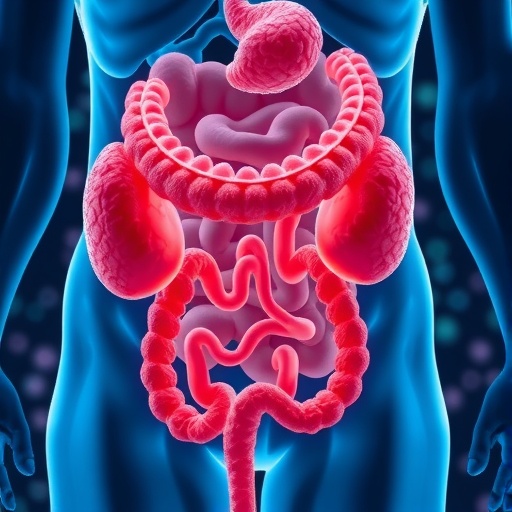
In a groundbreaking development within nephrology and microbiome research, scientists have unveiled compelling evidence linking gut microbiota depletion with a marked reduction in proteinuria in a rat model of nephrosis induced by puromycin aminonucleoside (PAN). This pivotal study, spearheaded by a team of researchers led by Myagmankhuu et al., propels our understanding of the gut-kidney axis to new heights, potentially charting new therapeutic pathways for chronic kidney diseases that often manifest with proteinuria as a cardinal feature.
The study meticulously investigates the intricate interplay between gut microbial populations and kidney pathology by employing a well-established model of nephrotic syndrome induced through PAN administration in rats. Proteinuria, the pathological hallmark of many chronic kidney diseases characterized by the abnormal presence of protein in urine, arises from damage to the glomerular filtration barrier. Traditional therapies have largely targeted symptomatic relief, but the underlying mechanisms modulating proteinuria remain incompletely understood. This research breaks novel ground by focusing on the gut microbiota as a previously underappreciated modulator of renal health.
Central to this research was the hypothesis that the gut microbiota exerts influence on renal function and pathology. The authors employed advanced microbiological depletion techniques to eradicate or substantially reduce gut microbial populations prior to and following PAN-induced nephrosis. Their results were striking: rats subjected to microbiota depletion demonstrated a substantial alleviation in proteinuria levels, suggesting a pathogenic role of the microbiome in exacerbating protein leakage through the glomerulus. This finding propels the gut microbiota to the forefront of nephrological research as a targetable agent in mitigating renal injury.
Further mechanistic insights revealed that gut microbiota depletion impacted systemic inflammatory responses – a critical mediator of kidney damage in nephrotic syndrome. The study reported reductions in pro-inflammatory cytokines and shifts in immune cell populations, underscoring the interplay between microbial-derived signals and immune regulation. These systemic immunomodulatory effects likely contribute to the preserved integrity of the glomerular filtration barrier observed in the treated rats.
The methodology adopted by Myagmankhuu and colleagues was rigorous, combining the use of germ-free or antibiotic-treated animal models with meticulous biochemical assays to quantify urinary protein excretion. Histopathological analyses corroborated the functional data, showcasing reduced glomerular injury and fibrosis in microbiota-depleted subjects. This comprehensive approach reinforces the causative association rather than a mere correlation between gut microbial presence and renal pathology.
Interestingly, the study also probes the potential mechanisms by which gut microbes may influence the kidney. Metabolic profiling suggested that metabolites originating from gut bacteria, possibly uremic toxins or other bioactive compounds, might mediate detrimental effects on renal cells. The alleviation of proteinuria upon microbial depletion points towards these metabolites as probable contributors to the disruption of glomerular architecture and function, highlighting an intricate metabolic crosstalk within the gut-kidney axis.
The implications of these findings are profound, offering a conceptual shift in how chronic kidney diseases, particularly those with proteinuric manifestations, might be tackled. Therapeutic strategies could evolve from the current paradigm of immunosuppression and antihypertensives to include modulation of the gut microbiota through probiotics, prebiotics, or more refined microbiome-targeting antibiotics. This opens avenues for personalized medicine where individual microbial signatures could predict disease progression or response to therapy.
Moreover, this research adds a new dimension to the growing recognition of the gut microbiota’s systemic impact extending beyond gastrointestinal health. The gut-kidney axis emerges as a critical frontier in biomedical research, with crosstalk mechanisms involving not only immune modulation but also neural and hormonal pathways, broadening the scope of future investigations spurred by these findings.
While this study focused on an animal model, its translation into human contexts bears immense potential yet necessitates caution. Human microbiomes are significantly more complex and influenced by myriad factors including diet, genetics, and environment. The challenge lies in adapting microbiota depletion or modulation strategies safely for chronic use in patients, ensuring beneficial outcomes without unintended systemic complications.
The findings also stimulate curiosity about the bidirectionality of the gut-kidney relationship. Chronic kidney disease itself alters gut microbial composition, potentially creating a vicious cycle of microbial dysbiosis and renal deterioration. The therapeutic disruption of this pathogenic loop holds promise but requires further elucidation of causal versus consequential microbial changes.
It is essential to recognize that gut microbiota depletion was achieved in this study using methods that may not be entirely selective. Future research must focus on identifying specific bacterial taxa or microbial metabolites responsible for propagating kidney damage. This precision would facilitate targeted interventions, minimizing collateral impacts on beneficial microbes essential for broader host health.
Furthermore, this study informs an emerging paradigm that integrates nephrology with microbiology, immunology, and metabolism into a cohesive framework. It underscores the importance of interdisciplinary research approaches in addressing complex diseases like nephrosis, thereby enriching scientific perspectives and therapeutic options.
Given the ever-rising incidence of chronic kidney disease globally, exacerbated by diabetes and hypertension, innovations derived from gut microbiota research carry substantial public health ramifications. This study invigorates the scientific community’s enthusiasm to unravel microbiome-related therapies that could revolutionize disease management, reduce healthcare burden, and improve patient quality of life.
In summary, Myagmankhuu et al.’s seminal work elucidates a transformative concept: the gut microbiota is not merely a bystander but an active participant modulating nephrotic syndrome progression. Their demonstration that microbiota depletion mitigates proteinuria in PAN-induced nephrosis models challenges existing dogma and encourages healthcare researchers to redefine therapeutic targets.
The study also exemplifies the emerging potential of microbiome science to recalibrate our understanding of systemic diseases, catalyzing a paradigm shift that could extend to other organ systems where microbial influence is now being uncovered. The intricate symbiosis between host and microbes emerges both as a vulnerability and an opportunity for cutting-edge medical interventions.
As research continues to evolve, the scientific community awaits detailed explorations into specific microbial signatures, involved metabolites, and immune pathways implicated in this gut-kidney dialogue. Such knowledge will be critical for crafting new interventions that harness the microbiome’s power, ultimately reshaping nephrology and personalized medicine.
This discovery advances the nexus of microbiology and nephrology, illustrating once again the profound interconnectedness of human physiology and the microbial milieu. It is a clarion call to reimagine disease treatment strategies in light of the microbiome’s widespread and potent influence, heralding a new epoch in medical science.
Subject of Research: The role of gut microbiota depletion in alleviating proteinuria in puromycin aminonucleoside-induced nephrosis in rats.
Article Title: Depletion of gut microbiota alleviates proteinuria in puromycin aminonucleoside-induced nephrosis in rats.
Article References:
Myagmankhuu, S., Tsuji, S., Akagawa, S. et al. Depletion of gut microbiota alleviates proteinuria in puromycin aminonucleoside-induced nephrosis in rats. Pediatr Res (2025). https://doi.org/10.1038/s41390-025-04668-9
Image Credits: AI Generated
DOI: 15 December 2025
Tags: chronic kidney disease therapiesglomerular filtration barriergut microbial populationsgut microbiota depletiongut-kidney axismicrobiome and renal healthnephrosis researchnephrotic syndrome modelproteinuria reductionpuromycin aminonucleoside studyrenal pathology modulationtherapeutic pathways for kidney disease