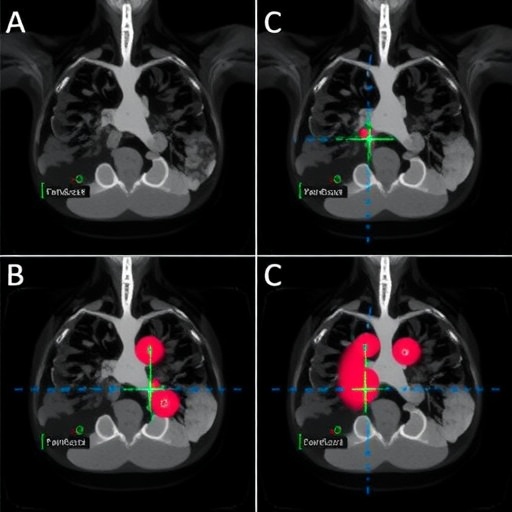
In the evolving landscape of medical imaging, artificial intelligence (AI) has emerged as a transformative force. With the advent of deep learning algorithms, the field of breast imaging stands to benefit significantly from improved segmentation techniques. The recent study conducted by esteemed researchers Catarino, Garcia, and Silva delves deep into how pre-processing methods can enhance the capabilities of deep learning models in identifying and segmenting breast tissue. This transformative research offers a glimpse into the future of diagnostic processes, significantly boosting the accuracy and reliability of breast cancer detection.
Breast cancer remains one of the leading causes of cancer-related deaths among women worldwide. Given its prevalence, there is an urgent demand for innovative diagnostic tools that can provide accurate and timely assessments of breast health. Imaging technologies, such as mammography, ultrasound, and magnetic resonance imaging (MRI), have been instrumental in early detection and diagnosis. However, the challenge has always been obtaining high-quality images for accurate interpretation. By integrating deep learning and sophisticated pre-processing techniques, the quest for improved image segmentation and analysis is becoming more tangible.
The foundation of the research rests on the premise that pre-processing is critical for enhancing image quality before it is fed into deep learning algorithms. Techniques such as noise reduction, contrast enhancement, and image normalization are fundamental to ensure that the data fed into these algorithms represent the breast tissue as faithfully as possible. This study meticulously outlines how these pre-processing methods mitigate common issues such as artifacts and disparities in image quality, which can significantly hinder diagnostic performance.
One of the standout findings from this study reveals that applying specific pre-processing techniques can yield striking improvements in segmentation accuracy. The researchers implemented various methods, examining their effects on state-of-the-art deep learning models. In doing so, they established a clear correlation between improved image quality and increases in segmentation performance. The significance of fine-tuning these pre-processing steps cannot be overstated, as they form the bridge between raw imaging data and valuable diagnostic insights.
Furthermore, this research underscores the notion that one size does not fit all when it comes to pre-processing techniques. The authors meticulously tested different combinations of methods to ascertain which yielded the best results across varying datasets. Such a comprehensive approach helps pave the way for tailored AI-driven solutions that can adapt to the diverse spectrum of breast imaging techniques used in practice today. This adaptability promises greater flexibility and improved outcomes in clinical settings.
The implications of their findings suggest that integrating advanced pre-processing techniques could be a game-changer in clinical applications. As AI continues to evolve, so too does its potential to support radiologists and clinicians in making quicker and more informed decisions. By refining pre-processing steps, healthcare practitioners can ensure that deep learning models operate at peak effectiveness, ultimately leading to better patient outcomes. The goal is to harness the power of AI not just to detect abnormalities but also to enhance the quality and accuracy of the images being analyzed.
Moreover, the study highlights the importance of collaboration between computer scientists, medical professionals, and imaging experts. This interdisciplinary approach establishes a comprehensive understanding of the challenges inherent in breast imaging. By working together, these professionals can identify critical pain points within the diagnostic process and leverage advanced technology to address them efficiently. The synthesis of knowledge across these fields is vital for driving innovation and achieving breakthroughs in breast cancer diagnosis.
In the context of trust and transparency, the researchers emphasize the importance of validating their findings against real-world scenarios. The efficacy of pre-processing techniques was rigorously tested using various datasets to ensure that results weren’t confined to artificial benchmarks. This level of scrutiny speaks volumes about the commitment to producing reliable and practical outcomes that extend beyond theoretical frameworks. The future of AI in breast imaging hinges on these principles of validation and reproducibility.
While the study brings exciting prospects for improving image segmentation, it also raises essential questions about the ethical implications of implementing AI in healthcare. As deep learning algorithms become increasingly sophisticated at performing tasks traditionally done by human experts, the need for ethical guidelines cannot be overstated. As AI takes on greater responsibility in clinical diagnostics, it becomes crucial to address various concerns, including accuracy, bias, and patient confidentiality.
To build a robust AI framework for breast imaging, the study advocates for the establishment of multidisciplinary task forces that include ethicists, technologists, and healthcare professionals. As technology advances, continuous dialogues about transparency, accountability, and data rights will become increasingly essential. The balance between innovation and ethical integrity is crucial for maintaining public trust in these transformative technologies.
Additionally, discussions surrounding the scalability of these advancements are pivotal. Utilizing pre-processing techniques requires an upfront investment in terms of time and resources. Consequently, healthcare providers must weigh the costs against potential benefits of improved diagnostic accuracy. As healthcare systems worldwide explore these AI-driven solutions, ensuring equitable access will be paramount. The ultimate vision is for every patient to benefit from these advances, regardless of geographic or socioeconomic barriers.
Pilot programs and collaborations between technology firms and healthcare institutions may serve as a catalyst for wider adoption. By showcasing tangible results, these initiatives can help demystify the operational processes involved in integrating AI and pre-processing techniques into routine breast imaging practices. Greater awareness and education surrounding the benefits and applications of such technology can foster a more receptive environment for innovation.
As we reflect on the potential implications of the work by Catarino, Garcia, and Silva, there is a sense of optimism about the future landscape of breast imaging. The marriage of technology and healthcare presents unprecedented opportunities to enhance diagnostic accuracy and ultimately save lives. With the cornerstone of pre-processing methods firmly established, there is no doubt that the advent of more accurate and efficient breast image segmentation will significantly impact patient care.
In conclusion, the intricate relationship between pre-processing techniques and deep learning algorithms introduces a new era in breast imaging. With ongoing research and collaboration, we stand at the brink of significant advancements that promise to revolutionize cancer diagnostics. As this field continues to evolve, the goal remains clear: to provide the best possible care for patients through innovation wrapped in ethical foresight and technological integrity.
Subject of Research: The impact of pre-processing techniques on deep learning breast image segmentation.
Article Title: The impact of pre-processing techniques on deep learning breast image segmentation.
Article References:
Catarino, J., Garcia, N.C., Silva, S. et al. The impact of pre-processing techniques on deep learning breast image segmentation. Sci Rep (2025). https://doi.org/10.1038/s41598-025-30724-9
Image Credits: AI Generated
DOI: 10.1038/s41598-025-30724-9
Keywords: deep learning, breast imaging, pre-processing techniques, segmentation, artificial intelligence, diagnosis, healthcare innovation, medical imaging.
Tags: advanced image analysis for breast healthAI in breast imagingartificial intelligence in cancer diagnosisbreast image segmentation techniquesdeep learning for breast cancer detectionenhancing image quality in mammographyimproving diagnostic accuracy with AIinnovative diagnostic tools for breast cancermachine learning applications in healthcarepre-processing methods in medical imagingresearch on breast tissue segmentationsegmentation accuracy in medical imaging