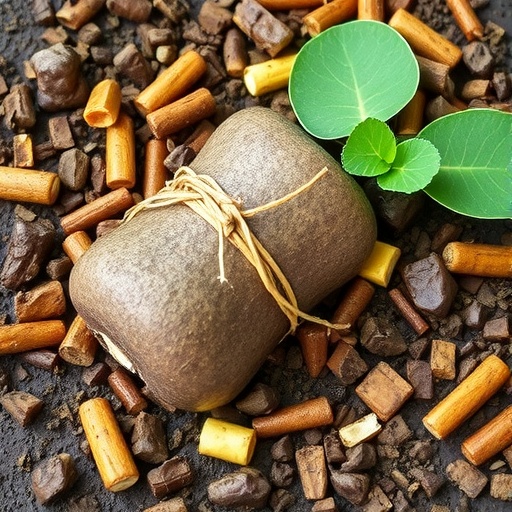
In a groundbreaking exploration of traditional medicine practices, researchers led by E.P.K. Ameade have unveiled a compelling study on the use of animal excrement across various cultural landscapes in Ghana. The concept of ethnozoological scatology, which serves as the crux of this research, dives deep into the cultural and medicinal applications derived from animal waste materials. This fascinating area of study reveals a resource that, while often overlooked in modern medicine, resonates with historical significance and cultural heritage.
The use of animal excrement in traditional medicine is not merely a quirky footnote in the annals of ethnobotany; it is a vivid testament to the ingenuity of traditional practitioners. Many indigenous communities have harnessed the biological attributes of animal waste for therapeutic purposes, often citing ancestral knowledge passed down through generations. This situational report compiles qualitative data collected from various traditional healers, providing a comprehensive view of the persistent legacy of these practices.
One of the most striking aspects of the report is the diversity of animal excrement utilized. From feces of livestock to that of wild fauna, traditional healers experiment with substances from a plethora of species. This diversity not only illustrates the breadth of traditional practices but also opens the door for further investigation into the specific biological compounds that may hold therapeutic potential. The approach underscores a harmonization of traditional wisdom and emerging scientific research methodologies that can yield profound insights.
Moreover, the cultural significance attached to these practices cannot be overstated. In Ghana, animal excrement is often referred to as a ‘gift from nature,’ integral to local healing rituals that extend beyond physical ailments. These practices frequently encompass spiritual dimensions aimed at restoring harmony to the body and spirit. This duality between physical health and spiritual well-being is deeply ingrained in the collective psyche of many communities, reinforcing the value of sustaining such traditional practices.
The report also highlights the potential for innovation in contemporary medicine by examining the chemical properties of specific animal excrement. Researchers have isolated certain enzymes and compounds believed to possess therapeutic benefits, which beckons further scientific inquiry. This avenue promises the possibility of transforming traditional remedies into validated treatments that could be integrated into modern pharmacology.
However, despite the rich tapestry of knowledge encapsulated in traditional healing, the study shines a critical light on the challenges faced by practitioners of these ancient arts. With the encroachment of globalization and the diminishing number of indigenous healers, there exists a palpable risk that this treasure trove of wisdom may be lost. The report advocates for proactive measures to document and preserve this ethnomedicinal knowledge, ensuring its transmission to future generations.
Educational initiatives that aim to bridge the gap between traditional and modern medical systems are gaining traction. Collaborations with academic institutions are becoming pivotal in creating mutually beneficial platforms where traditional knowledge can inform contemporary health care practices. This mutual respect and integration can result in more holistic approaches to health.
Environmental implications are also underlined in this situational report. The sustainable management of livestock and wildlife populations is paramount to ensure a consistent supply of animal excrement for these traditional practices. The research calls attention to the need for conservation strategies that protect both animals and their habitats, allowing for a symbiotic relationship between nature and humans.
The ethnobiological aspects of ethnozoological scatology extend beyond the realm of medicine; they also encompass environmental interactions. Animal waste, when utilized appropriately, can bolster local agriculture when employed as organic fertilizer, thereby enhancing soil fertility. This interconnectedness reinforces the idea of sustainable practices that benefit human health, ecosystem integrity, and agricultural yields.
The intricate dynamics of cultural beliefs surrounding animal excrement utilize a complex framework that involves superstitions, taboos, and ancestral reverence. Many traditional healers engage with their communities through storytelling, weaving narratives that encapsulate the historical and medicinal relevance of these practices. By grounding their techniques in cultural folklore, they reinforce the legitimacy of traditional healing methods.
In conclusion, the study spearheaded by Ameade, Gmawurim, and Adom serves as a clarion call for recognizing and validating complex traditional medicinal practices. By documenting and analyzing the utility of animal excrement, researchers not only contribute to the preservation of cultural heritage but also potentially unlock innovative pathways for modern medicine. As we increasingly confront global health challenges, the maintenance of biodiversity and the respect for indigenous knowledge emerge as crucial factors in shaping the future of medicine. The intricate relationship between tradition and modernity holds a wealth of promise for advancing both health and wellbeing for generations to come.
By illuminating the remarkable contributions of traditional practices to contemporary medicine, this research underscores an urgent truth: collaboration across disciplines and respect for age-old wisdom will be key to our progress in health sciences. The future may depend on how well we integrate and champion these time-honored insights, ensuring that they are not relegated to history, but instead serve as guiding lights in our ongoing quest for knowledge and healing.
Subject of Research: Utilization of animal excrement in traditional medicine in Ghana
Article Title: Ethnozoological scatology: a situational report on the utilisation of animal excrement in traditional medicine in Ghana
Article References:
Ameade, E.P.K., Gmawurim, S. & Adom, E. Ethnozoological scatology: a situational report on the utilisation of animal excrement in traditional medicine in Ghana.
BMC Complement Med Ther 25, 394 (2025). https://doi.org/10.1186/s12906-025-05089-1
Image Credits: AI Generated
DOI: https://doi.org/10.1186/s12906-025-05089-1
Keywords: Ethnozoology, traditional medicine, animal excrement, Ghana, cultural practices, sustainable health, preservation of knowledge
Tags: animal excrement in traditional medicineanimal waste in ethnobotanybiodiversity in medicinal practicescultural applications of animal wastecultural heritage of Ghanaian medicineethnozoological scatology in Ghanahistorical significance of animal wasteindigenous knowledge and healing practicesmedicinal uses of livestock fecesqualitative research on traditional medicinetraditional healers in Ghanawild fauna in traditional healing