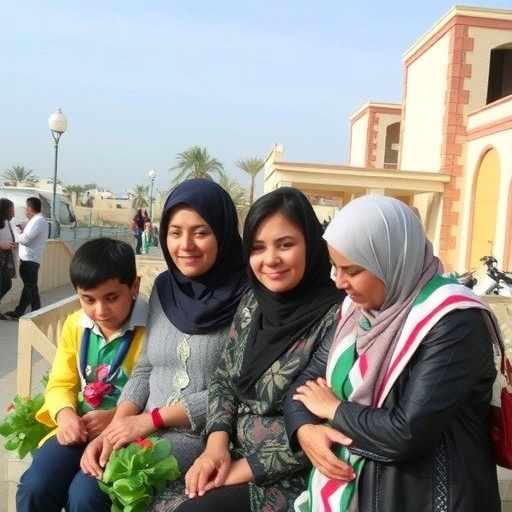
In a groundbreaking study exploring the unique challenges and triumphs faced by mothers of children with autism in the West Bank, Palestine, researchers Al-Natsheh, Imam, and Nahal have undertaken a deeply personal investigation. Their comprehensive qualitative research, published in the journal J Autism Dev Disord, provided significant insights into the lived experiences of these mothers, shedding light on the emotional, social, and psychological impacts of raising children diagnosed with autism in a region characterized by conflict and adversity.
The context in which these mothers operate is crucial to understanding their perspectives. The West Bank, a territory fraught with socio-political tensions, imposes not only logistical challenges but also emotional turbulence. Mothers have reported feeling isolated and unsupported, navigating a landscape marked by socio-economic difficulties that often complicate access to essential services such as healthcare and education for their children. This study crucially contextualizes their experiences within these broader societal frameworks, allowing for a nuanced understanding of their struggles and resilience.
Through in-depth interviews, the researchers meticulously gathered narratives that illuminate the multifaceted nature of their experiences. Each mother’s story is unique, yet many resonate with common themes of struggle, resilience, and eventual empowerment. The interviews reveal a striking dichotomy: the intense challenges faced by these mothers often serve as a catalyst for personal growth and community engagement, illustrating the complex interplay between adversity and resilience.
One of the standout findings of the study is how these mothers indicate a transformation of identity following the challenges posed by having a child with autism. Initially overwhelmed by the stigma associated with autism, many mothers have forged new understandings of themselves, leading them to become advocates not just for their children but for others in similar situations. This emerging identity as advocates shapes their responses to societal stigma, and many mothers are determined to foster greater awareness and acceptance within their communities.
The study also highlights the critical role of social support networks. In the absence of sufficient institutional support, family and community have become integral to their survival and empowerment. Mothers have emphasized the necessity of establishing connections with other families facing similar challenges, sharing resources, and providing emotional support. These networks enable a sense of belonging, which is crucial in a socio-cultural environment that may often feel isolating.
Moreover, the resilience demonstrated by these mothers reveals a sophisticated coping strategy. The women often articulate how they have learned to adapt their expectations and cultivate a positive outlook despite the daily struggles. They actively create meaning from their experiences, which not only benefits their children but also enhances their well-being. This psychological resilience is characterized by an ability to find joy in small victories, reinforcing the notion that every step forward, no matter how small, is a testament to their strength.
The challenges of accessing appropriate therapeutic interventions and educational resources are also spotlighted in the research. Many mothers described difficulty in finding services that are both accessible and culturally sensitive. Existing programs often fall short of meeting diverse needs, leaving many to advocate vigorously for better services, which further fuels their sense of purpose. This advocacy work not only benefits their children but also creates momentum for larger systemic change in support services within the region.
Additionally, the study delves into the mothers’ relationship with healthcare providers. The findings suggest that many mothers experience frustration due to inadequate communication and a lack of understanding of autism’s complexities among some health professionals. This gap leads to feelings of alienation and a sense that their expertise as primary caregivers is undervalued. Consequently, many mothers stress the importance of training and education initiatives aimed at healthcare providers to better equip them in their roles.
The emotional toll of raising a child with autism is profoundly felt, and the respondents recount feelings of grief, anxiety, and uncertainty. The researchers noted that while many mothers experience feelings of isolation, they also find empowerment in their ability to advocate for their child’s needs. This duality of experience challenges typical narratives around autism, offering a more intricate portrayal of the emotional landscapes these mothers navigate daily.
The exploration of cultural norms surrounding disability adds further depth to the research. Mothers expressed that prevailing attitudes toward autism often exacerbate their challenges, contributing to a culture of silence and stigma. While some community members offer support, others perpetuate misconceptions that can further isolate families. A fierce commitment to changing these perceptions fuels the mothers’ advocacy, fueling their determination to bring attention to the realities of raising a child with autism.
In a region where access to educational resources is limited, the mothers serve as their children’s primary teachers. They adopt innovative approaches to learning, often employing creative play and community-based activities that foster development in a way that aligns with their cultural context. These mothers’ ability to adapt not only showcases their resilience but also serves as a model for others facing similar adversities in regions around the globe.
This study serves as a powerful reminder of the intersection between personal and political realms. The lived experiences of these mothers reveal profound insights into the unique challenges faced by families impacted by autism in conflict-affected regions. The focused advocacy work undertaken by mothers in the West Bank has the potential to inspire similar movements globally, emphasizing the need for recognition, support, and understanding.
As the study concludes, there is a clear call to action for policymakers and society at large. There is an urgent need for more inclusive policies that address the specific needs of families with autistic children. By amplifying the voices of these mothers and ensuring their perspectives are included in broader discussions about autism, there is hope for a future where the challenges of growing up with autism in difficult environments can be collectively addressed, fostering resilience and success for families worldwide.
This research offers a window into the transformative experiences shaped by motherhood amid adversity and highlights the relentless spirit of women who refuse to let their circumstances define their children’s futures. The resilience they exhibit not only changes their own lives but also ripples through communities, challenging existing norms and creating pathways for greater acceptance and support.
Subject of Research: The lived experiences of mothers of children with autism in the West Bank, Palestine.
Article Title: Navigating Through the Path of Struggle and Building Resilience of Adversity: Lived Experiences of Mothers Having Children With Autism in the West Bank, Palestine.
Article References:
Al-Natsheh, B., Imam, A. & Nahal, M.S.H. Navigating Through the Path of Struggle and Building Resilience of Adversity: Lived Experiences of Mothers Having Children With Autism in the West Bank, Palestine.
J Autism Dev Disord (2025). https://doi.org/10.1007/s10803-025-07179-y
Image Credits: AI Generated
DOI: https://doi.org/10.1007/s10803-025-07179-y
Keywords: Autism, maternal experiences, resilience, advocacy, West Bank.
Tags: autism in Palestineeducational challenges for special needsemotional experiences of mothersempowerment through adversityhealthcare access for autistic childrenmothers of autistic childrenpersonal narratives of resilienceQualitative research on autismresilience in challenging environmentssocio-economic difficulties in the West Banksocio-political impact on familiessupport systems for mothers