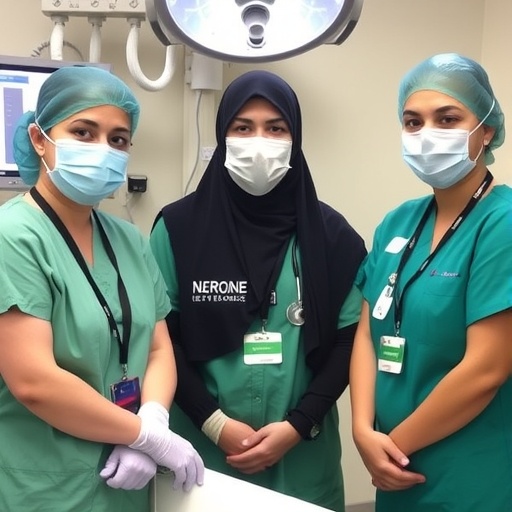
In a pivotal study that sheds light on the crucial dynamics of nursing in intensive care units (ICUs) across Jordan, researchers AlZrigat, Nofal, and Darawad explored the intricate factors contributing to a healthy work environment from the perspective of ICU nurses. Employing a descriptive cross-sectional survey method facilitated by the AACN assessment tool, this research underscores the pressing need for creating supportive work conditions to optimize nurse performance and patient outcomes. The findings are particularly relevant in a world grappling with health crises, where the role of nurses has become even more salient.
Nurses operate in some of the most high-stress environments in healthcare. The ICU, characterized by its rapid pace and critical patient conditions, demands not only high technical proficiency but also emotional fortitude. The study found that a positive work environment was directly linked to lower levels of burnout and higher job satisfaction among nurses. This correlation highlights the urgent necessity of fostering a supportive atmosphere within ICU settings, which can dramatically impact both nurse retention rates and the quality of care patients receive.
The researchers meticulously designed their study to capture various dimensions of the work environment as experienced by Jordanian ICU nurses. They sought to understand not only the tangible aspects of the environment, such as staffing levels and resources, but also the intangible factors like leadership support and team cohesion. These elements collectively shape the psychosocial landscape in which nurses operate, influencing their overall well-being and professional efficacy.
One of the most striking findings of the study was the recognition that nurses themselves are often the best advocates for change within their workplaces. By examining their own experiences and articulating their needs, ICU nurses can play an essential role in shaping their environments. The use of the AACN assessment tool proved invaluable in this context, providing a structured framework through which these voices could be heard and validated. It demonstrates that empowering nurses not only contributes to their job satisfaction but also enhances the overall quality of care delivered to patients.
Moreover, the results indicated that factors such as recognition and appreciation from healthcare administration had a significant impact on nurses’ perceptions of their work environment. In many cases, nurses reported feeling undervalued despite their crucial roles in the care continuum. This discrepancy presents a matter of concern that health leaders must address proactively. By implementing recognition programs and more transparent communication channels, healthcare organizations can cultivate a culture of appreciation, which is essential for sustaining morale and improving retention.
The study also highlighted the importance of teamwork and interprofessional collaboration within the ICU setting. Nurses reported that when they felt supported by their colleagues and other health professionals, they were more likely to thrive in their roles. Team dynamics, therefore, should be a focal point for healthcare management, as developing a strong sense of community among staff can mitigate the pressures commonly associated with ICU work.
Furthermore, the research emphasizes the significance of ongoing professional development and training. Nurses expressed a desire for more opportunities to enhance their skills and competencies. Continuing education, mentorship programs, and simulation training can help foster a sense of competence and confidence among nursing staff. This investment in human capital not only benefits the individual nurse but also enhances team performance and patient care quality.
Understanding the emotional and psychological toll of working in ICUs is another vital aspect that the study addressed. Burnout and compassion fatigue are prevalent in high-stress healthcare environments, often leading to turnover and diminished patient care. The recognition of these challenges within the workplace allows for the implementation of tailored wellness programs and mental health resources for nurses. Institutions that prioritize emotional well-being tend to exhibit more resilient workforces, ultimately translating to better patient outcomes.
The application of evidence-based practices in nurturing a healthy work environment is crucial. The study’s insights can guide healthcare policy and decision-making processes focused on creating sustainable and supportive ICU settings. By employing data-driven approaches, healthcare administrators can make informed choices that align with the needs and expectations of their nursing staff.
As the global healthcare landscape continues to evolve amidst challenges such as the COVID-19 pandemic, it is imperative to continuously assess and adapt strategies to support nurses. The valuable perspectives captured in this study not only underscore the importance of nurturing work environments but also provide a roadmap for healthcare leaders aiming to improve the overall state of nursing practice.
In conclusion, AlZrigat, Nofal, and Darawad’s study shines a much-needed light on the factors that contribute to a healthy work environment within Jordanian ICUs. By prioritizing the voices and experiences of nurses, healthcare organizations can foster more effective and satisfying workspaces. As we move forward, it is essential that we heed the lessons from this research, recognizing that our nurses are our most valuable assets in the fight for improved healthcare delivery.
In understanding the broader implications of this research, it is clear that enhancing nurses’ work environments is not just a matter of institutional concern; it is a moral imperative that directly impacts patient care and overall health outcomes. Societies must ensure that those who care for the most vulnerable among us are themselves supported and empowered.
By transforming the ICU into a place where nurses can thrive, healthcare systems have the potential to revolutionize patient care. The voices of overworked and often overlooked nurses must be amplified, guiding systemic changes that prioritize their well-being for the betterment of all.
Ultimately, this research serves as a call to action for healthcare leaders everywhere. It is not enough to simply acknowledge the challenges nurses face; active steps must be taken to address these concerns. By aligning institutional goals with the needs of nursing staff, we can cultivate an environment that not only retains talent but also enhances the health and care of our communities.
Subject of Research: Healthy work environment from the perspective of Jordanian ICU nurses.
Article Title: Healthy work environment from the perspective of Jordanian ICU nurses: a descriptive cross-sectional study using the AACN assessment tool.
Article References:
AlZrigat, E., Nofal, B. & Darawad, M.W. Healthy work environment from the perspective of Jordanian ICU nurses: a descriptive cross-sectional study using the AACN assessment tool. BMC Nurs (2025). https://doi.org/10.1186/s12912-025-04133-2
Image Credits: AI Generated
DOI: 10.1186/s12912-025-04133-2
Keywords: Healthy work environment, ICU nurses, job satisfaction, burnout, teamwork, interprofessional collaboration, emotional well-being.
Tags: AACN assessment tool in nursingemotional well-being of nursesfactors influencing nurse work environmentshealthcare crisis impacts on nursinghealthy work environments in healthcareintensive care unit challengesJordanian ICU nursesnurse burnout and job satisfactionnurse retention strategiesnursing performance optimizationqualitative insights from ICU nursing.supportive work conditions for nurses