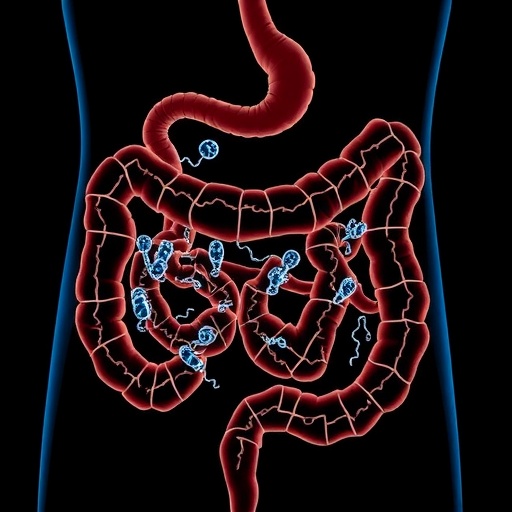
In a groundbreaking study poised to reshape our understanding of nutrition and metabolic health, researchers have unveiled compelling evidence that the gut microbiome plays a decisive role in determining individual responses to dietary fiber among people with prediabetes. This discovery emerges from a rigorously designed randomized, open-label trial, which for the first time systematically demonstrates the gut microbiome’s predictive capacity in personalizing dietary interventions aimed at mitigating the progression of prediabetes—a condition afflicting nearly one in three adults worldwide.
The research, recently published in Nature Communications, delves into the intricate interplay between gut microbial ecology and metabolic response to dietary fiber intake. Unlike previous studies that treated dietary fiber as a universally beneficial component, this study reveals a nuanced picture: the benefits of fiber are not uniform but vary considerably between individuals, largely dictated by the unique composition and functional capacity of their gut microbiome. This paradigm-shifting insight underscores the limitations of current one-size-fits-all nutritional guidelines and heralds a new era of precision nutrition.
Methodologically, the study enrolled a cohort of prediabetic adults and assigned them to receive controlled, varied amounts of specific dietary fibers over a defined period. The open-label design allowed for the comprehensive collection of microbiome samples, detailed metabolic profiling, and continuous monitoring of glucose tolerance and insulin sensitivity. High-resolution sequencing technologies provided deep characterization of the gut microbial communities, enabling researchers to map precise microbial signatures predictive of favorable metabolic responses.
One of the most compelling findings was the identification of distinct bacterial taxa and metabolic pathways that correlated strongly with improved glycemic control following fiber supplementation. For example, the proliferation of certain fiber-degrading genera, known for producing short-chain fatty acids (SCFAs) like butyrate and propionate, was associated with enhanced insulin sensitivity and marked reductions in fasting blood glucose. These metabolites have been previously implicated in modulating inflammation, intestinal barrier integrity, and systemic metabolic regulation, positioning them as key mediators in the gut-liver axis.
The study also illuminated striking interindividual variability, with some participants displaying minimal or no benefit from increased fiber intake. This observation challenges entrenched nutritional dogma and suggests that in certain microbial contexts, dietary fiber may fail to exert expected metabolic advantages. By leveraging machine learning algorithms trained on comprehensive microbiome and metabolic datasets, the research team was able to construct predictive models with high accuracy, effectively forecasting which individuals would benefit from specific fiber types.
Beyond the immediate clinical implications, this research pioneers a novel framework for personalized dietary therapy. It advocates for incorporating gut microbiome profiling into routine metabolic risk assessments, thereby enabling clinicians to tailor fiber-based interventions more precisely. Such personalization could not only enhance therapeutic efficacy but also improve patient adherence by aligning recommendations with individual biologic responsiveness, reducing frustration from ineffective treatments.
Importantly, the insights derived from this trial extend to the broader population at metabolic risk, paving the way for innovative public health strategies. Personalized nutrition, informed by gut microbiome composition, holds promise to curb the escalating incidence of type 2 diabetes by intervening at a reversible prediabetic stage. It also opens avenues for developing next-generation probiotics or prebiotics designed to modulate microbial ecosystems in favor of metabolic health.
The study’s scientific rigor is underscored by its multidisciplinary approach—combining cutting-edge metagenomics, metabolomics, clinical endocrinology, and computational biology. This synergy allowed the team to dissect complex host-microbe interactions with unprecedented resolution, revealing causal links rather than mere associations. Moreover, the open-label design facilitated dynamic adjustment and optimization of dietary fiber interventions based on interim findings, fostering an adaptive clinical trial model.
Notably, the researchers highlight that the type of dietary fiber—soluble versus insoluble—and its molecular complexity significantly influenced microbial fermentation profiles and resultant metabolic outcomes. This granularity adds a critical dimension to dietary recommendations, emphasizing the importance of fiber source and chemistry in eliciting health benefits. The study calls for a re-examination of fiber classifications in the context of microbiome-mediated effects, advocating for integrating microbiota-centric metrics into nutritional science.
Challenges remain, particularly concerning the scalability of microbiome-based precision nutrition in clinical practice. Current technologies for microbial profiling, though advanced, still face limitations related to cost, accessibility, and standardization. Furthermore, the dynamic nature of the microbiome—affected by diet, medications, lifestyle, and environment—necessitates longitudinal monitoring to maintain effective personalized interventions over time.
Despite these hurdles, the trial’s findings resonate with a growing body of evidence positioning the gut microbiome as a critical determinant of metabolic health and therapeutic response. The prospect of customizing dietary fiber intake to microbial traits transforms how clinicians approach prediabetes management—from generic advice to sophisticated, data-driven precision strategies. This transition holds tremendous promise for maximizing health outcomes while minimizing unnecessary dietary restrictions.
The broader implications of this research extend beyond prediabetes, potentially informing dietary management of related metabolic disorders such as obesity, cardiovascular disease, and inflammatory conditions. Understanding the microbial signatures condition-specific fiber responsiveness could catalyze the development of synergistic therapeutic modalities combining diet, microbial modulation, and pharmaceuticals.
In conclusion, this landmark study illuminates the promise of the gut microbiome as a biological compass guiding personalized dietary fiber interventions in prediabetes. By bridging microbial ecology and metabolic science, it sets a new standard for tailored nutrition and opens fertile ground for future research and clinical innovation. As the global burden of metabolic disorders grows, harnessing this microbial-metabolic nexus could represent a transformative leap forward in preventive medicine.
Subject of Research:
Article Title:
Article References:
Song, D., Feng, G., Ma, Y. et al. Gut microbiome predicts personalized responses to dietary fiber in prediabetes: a randomized, open-label trial. Nat Commun (2025). https://doi.org/10.1038/s41467-025-66498-x
Image Credits: AI Generated
DOI: https://doi.org/10.1038/s41467-025-66498-x
Keywords: Gut microbiome, personalized nutrition, dietary fiber, prediabetes, metabolic health, short-chain fatty acids, insulin sensitivity, precision medicine
Tags: dietary fiber response in prediabetesgut health and fiber intakegut microbiome diversityimpact of gut bacteria on metabolismindividualized dietary recommendationsnutritional guidelines for prediabetespersonalized nutrition interventionsprecision nutrition for metabolic healthprediabetes dietary strategiesrandomized open-label trial on fiberrole of microbiome in blood sugar control