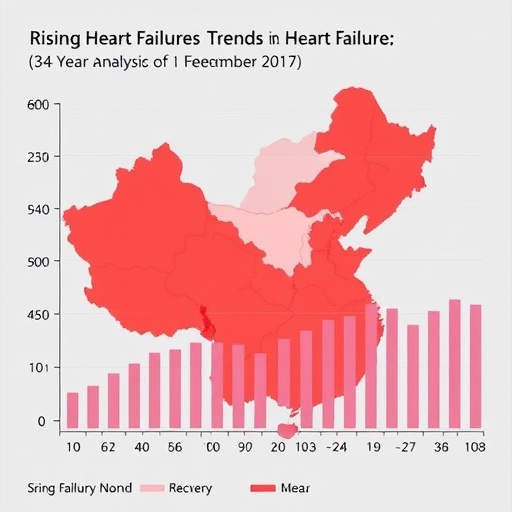
The burden of heart failure in China represents a significant public health challenge that has evolved dramatically over the past three decades. This condition, which affects millions of individuals, has distinct causes and trends that vary across different regions. A comprehensive study sheds light on the intricate dynamics of heart failure in the country through a meticulous analysis spanning 34 years, as outlined in the research conducted by prominent authors including Yang, Zhao, and Shi. Their findings underline the necessity of continued surveillance and targeted interventions for heart failure, which is a growing concern for both individuals and healthcare systems alike.
The study in question leverages extensive data compiled from the Global Burden of Disease Study 2023, providing a granular view of how heart failure rates have shifted at subnational levels across China. Through the meticulous analysis of various factors influencing heart failure, the researchers have illuminated significant trends that underscore the urgency of addressing this looming health crisis. The researchers explored demographic shifts, socio-economic changes, and health policy efficacy, all of which play critical roles in shaping public health outcomes.
In recent years, the increasing prevalence of heart failure in China can be attributed to a myriad of factors. Firstly, an aging population has a considerable impact, as older individuals are more susceptible to heart-related conditions. The demographic analysis within the study suggests a correlation between population age structures and heart failure incidence, revealing alarming trends that policymakers must address. Public health strategies must be refocused to target the elderly effectively, ensuring that they receive the preventative care necessary to mitigate such risks.
Moreover, lifestyle choices have increasingly contributed to the prevalence of heart failure. Rising rates of obesity, hypertension, and diabetes—often linked to sedentary lifestyles and diets high in processed foods—pose significant risks to cardiovascular health. The study discusses how urbanization in China has been accompanied by lifestyle changes that leave individuals prone to these risk factors, necessitating urgent public education and lifestyle modification programs to address prevention.
Interestingly, the research also uncovers disparities in the burden of heart failure across various regions within China. These regional differences may stem from factors such as healthcare access, economic development, and cultural attitudes towards health and well-being. Regions with better healthcare infrastructure and greater awareness of heart health tended to report lower incident rates of heart failure. The findings argue for a tailored approach to health interventions, where policies can vary based on local conditions and needs.
A potential area of concern highlighted within the research is the underreporting of heart failure symptoms and diagnoses, especially in rural areas. Many individuals may not seek medical attention until advanced stages of the disease, which can exacerbate health outcomes. This indicates a pressing need for awareness campaigns that educate the population about the symptoms and early signs of heart failure, ultimately facilitating early detection and treatment.
The causes of heart failure are multifaceted, encompassing genetic predispositions, environmental influences, and lifestyle factors. The study presents a nuanced view of how these elements intertwine in the Chinese context, prompting a reevaluation of strategies to combat heart failure. Emphasis on preventative care and early diagnosis emerges as crucial to reversing the escalating trends observed in this health crisis.
Long-term projections within the study paint a concerning picture for the future of heart health in China. If trends continue unchecked, the burden of heart failure could strain healthcare resources significantly. This reinforces the importance of innovative healthcare strategies that prioritize cardiovascular health and streamline access to medical services for individuals at elevated risk.
The research’s implications extend beyond just public health; they touch upon economic considerations as well. The rising costs associated with treating heart failure put immense pressure on the national healthcare system. By identifying cost-effective interventions that prioritize prevention and education, the study provides a roadmap for mitigating these economic challenges while improving patient outcomes.
As China grapples with the evolving burden of heart failure, there remains a vital need for collaborative efforts among healthcare providers, policymakers, and society as a whole. Multi-sectoral approaches will be essential in tackling the wide-ranging determinants of heart health, ensuring that resources are allocated effectively and that initiatives reach the populations that need them most.
In conclusion, the intricate analysis of heart failure trends in China by Yang, Zhao, and Shi reveals critical insights into the evolving nature of this health crisis. As public health leaders reflect on these findings, the call for action is undeniable: innovative strategies must be developed, and a collective commitment to reducing heart failure incidence is essential. Collaborations between healthcare sectors, greater emphasis on education, and targeted interventions can lead to improved health outcomes and a healthier future for individuals across China.
To ensure a comprehensive strategy against heart failure, it’s crucial for ongoing research to continue monitoring and evaluating the effectiveness of implemented health interventions. The dynamic landscape of heart health necessitates vigilance and adaptability, ensuring that responses remain relevant and effective as conditions evolve. As the importance of this issue resonates globally, the insights from the study provide a valuable framework to inform heart health policies in various contexts worldwide.
In sum, the findings from this extensive investigation into heart failure in China not only illuminate pressing public health concerns but also serve as a call to action for stakeholders across all levels to unite towards a collective vision of healthier communities. The urgency of understanding trends, causes, and disparities in heart failure is paramount as we advance into an era where proactive health measures can create profound impacts on individual lives and societal well-being.
Subject of Research: Heart failure trends and causes in China.
Article Title: The evolving burden of heart failure in China: a 34-year subnational analysis of trends and causes from the Global Burden of Disease Study 2023.
Article References:
Yang, X., Zhao, ZP., Shi, Y. et al. The evolving burden of heart failure in China: a 34-year subnational analysis of trends and causes from the Global Burden of Disease Study 2023.
Military Med Res 12, 65 (2025). https://doi.org/10.1186/s40779-025-00650-y
Image Credits: AI Generated
DOI: https://doi.org/10.1186/s40779-025-00650-y
Keywords: Heart failure, China, public health, epidemiology, Global Burden of Disease Study.
Tags: 34-year analysis of heart failurecauses of heart failure in Chinademographic shifts affecting heart healthGlobal Burden of Disease study 2023healthcare system responses to heart failureheart failure trends in Chinapublic health challenges in Chinaregional variations in heart failuresocio-economic factors in heart failuresurveillance of heart failure trendstargeted interventions for heart failureurgency of addressing heart failure crisis