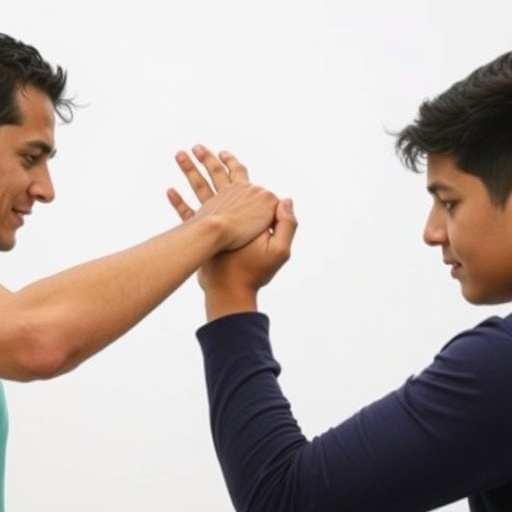
In the realm of pediatric health, an intriguing study has emerged, shedding light on an essential yet often overlooked aspect of child development: handgrip strength. Conducted by a team of researchers led by Cossio-Bolaños, this study investigates the regulatory classifications of handgrip strength specifically in children and adolescents residing in the moderately high-altitude region of Peru. The findings, set to be published in BMC Pediatrics, hold significant implications for understanding children’s physical health in unique environmental conditions.
Handgrip strength is widely recognized as a fundamental indicator of overall physical fitness and muscle function. It serves as a reliable measure to assess the health and physical performance of individuals across various age groups. However, variations in environmental factors, such as altitude, can profoundly influence these metrics, prompting researchers to delve into specific populations. This study aims to establish normative data for handgrip strength among young individuals in Peru, thereby filling a notable gap in existing research.
The geographical setting of this investigation is particularly noteworthy. Moderate altitudes, defined as elevations between 1,500 and 2,500 meters above sea level, present unique physiological challenges to residents. The study recognizes that children living at such elevations are exposed to lower oxygen availability, which can affect their growth and physical capabilities. As a result, determining accurate classifications of handgrip strength for this demographic becomes crucial for assessing their overall health and identifying potential developmental concerns.
The methodology employed in this research is robust and meticulously designed. It encompasses a diverse sample of children and adolescents from various socioeconomic backgrounds, ensuring that the findings are representative of the larger population. Participants underwent standardized handgrip strength assessments using calibrated dynamometers to ensure precision and reliability. This rigorous approach enables the researchers to draw meaningful conclusions about the handgrip strength of young individuals living in this unique environmental context.
One of the striking revelations from this study is the correlation between handgrip strength and various demographic factors. It appears that age, sex, and even socioeconomic status significantly impact handgrip performance. This correlation underscores the importance of understanding how these factors interplay in shaping physical health outcomes. As researchers delve into the nuances of these relationships, they gain insights that can inform targeted interventions aimed at improving the health and well-being of children and adolescents.
Moreover, the implications of handgrip strength extend beyond mere fitness; they can influence academic performance and social dynamics among peers. In many cases, stronger handgrip strength correlates with greater confidence and assertiveness in social situations, which can be crucial during the formative years of development. By recognizing the significance of handgrip strength in this broader context, educators and health practitioners can better support children’s holistic development.
The study also highlights the potential benefits of incorporating strength training and physical activity in schools and community programs. By promoting activities that enhance handgrip strength, communities can foster healthier lifestyles and encourage children to engage in regular physical activity, ultimately enhancing their overall health. Furthermore, these physical activities can be tailored to accommodate the unique challenges posed by living at moderate altitudes, ensuring that children receive appropriate support and guidance.
As the findings of this research enter the academic discourse, they raise critical questions about existing health guidelines and classifications. The current regulatory frameworks may not adequately reflect the unique challenges faced by children living at higher elevations, potentially marginalizing their health needs. Therefore, this study advocates for the development of altitude-specific health guidelines that consider the physiological adaptations required for healthy growth in such environments.
In a broader sense, the insights gained from this research can inform public health initiatives aimed at promoting healthy growth trajectories for children in similarly situated regions globally. By establishing baseline metrics for handgrip strength and exploring the underlying factors influencing these determinants, health policymakers can devise effective strategies tailored to distinct populations.
As the world increasingly recognizes the complexity of children’s health, studies like this one serve as a vital reminder of the importance of context in health assessments. The interplay between environmental factors and physiological outcomes is intricate, illustrating the need for comprehensive research that considers all variables at play.
Ultimately, the research conducted by Cossio-Bolaños and colleagues illuminates a path forward in understanding pediatric health in the context of unique environmental challenges. By building a solid foundation of normative data for handgrip strength in children and adolescents at moderate altitudes, this landmark study promises to pave the way for more effective health interventions and improved outcomes for young individuals, thereby significantly contributing to the field of pediatric health.
Subject of Research: Handgrip strength in children and adolescents living in a moderate altitude region of Peru.
Article Title: Regulatory classifications of handgrip strength in children and adolescents living in a moderate altitude region of Peru.
Article References:
Cossio-Bolaños, M., Vidal-Espinoza, R., Sulla-Torres, J. et al. Regulatory classifications of handgrip strength in children and adolescents living in a moderate altitude region of Peru.
BMC Pediatr (2025). https://doi.org/10.1186/s12887-025-06397-8
Image Credits: AI Generated
DOI:
Keywords: Handgrip strength, pediatric health, moderate altitude, Peru, physical fitness.
Tags: altitude effects on physical fitnesschild development and fitness metricsCossio-Bolaños research studyenvironmental factors influencing muscle functionhandgrip strength in childrenhigh-altitude physiological challengesmuscle strength indicators for childrennormative data for handgrip strengthpediatric health in PeruPeruvian youth health researchphysical performance assessment in adolescentsrespiratory health at altitude