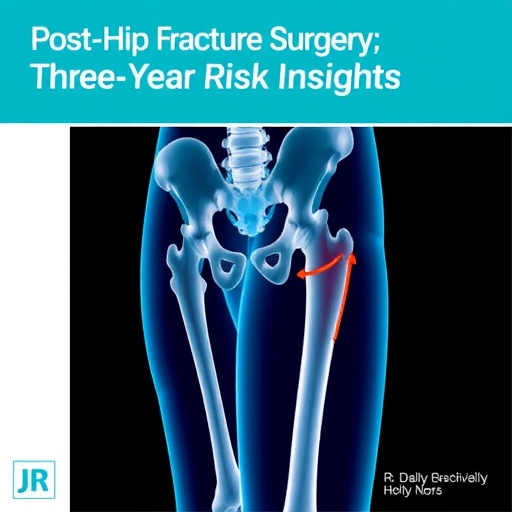
In a promising development for geriatric medicine, a recent study conducted by Yuan, Zhang, and Li examines the risks associated with subsequent fractures following hip fracture surgery in China. While hip fractures are a common occurrence among the elderly, the implications of surgical intervention on longer-term bone health have traditionally received less attention. This research not only delineates the risks involved in postoperative recovery but also attempts to shed light on preventative measures that could significantly mitigate further fractures, thus enhancing the quality of life for millions.
The study employs a three-year retrospective cohort analysis, meticulously collecting data from various medical institutions across China. The research focuses on a diverse population comprising elderly patients that underwent surgical intervention due to hip fractures. By analyzing data collected over this extended period, the authors were able to reveal trending patterns in fracture incidences that might otherwise be overlooked in shorter studies. This depth of analysis brings a new dimension to our understanding of postoperative care and fracture risk.
One of the most striking aspects of this study is its emphasis on the correlation between surgical methods and subsequent fracture risk. The authors categorized the patients based on the surgical procedures they underwent, exploring the efficacy and outcomes of various techniques, including internal fixation and joint replacement. This stratification offers unique insights into how different surgical interventions can influence not only initial recovery but also the likelihood of future fractures.
Furthermore, the study details the inherent risks associated with the aging demographic. As individuals age, their bone density typically declines, which in turn increases the risk of fractures even in supposedly healed patients. Recognizing this vulnerability, the research advocates for a proactive approach in monitoring and managing bone health post-surgery. Emphasizing the role of follow-up care and rehabilitation, the authors strongly advocate for incorporating comprehensive physical therapy and nutritional assessments into postoperative protocols.
Another compelling finding from this study is the potential impact of comorbidities—other existing health conditions. Many elderly patients often struggle with chronic health issues, such as osteoporosis or cardiovascular diseases, which can complicate recovery and increase the odds of subsequent fractures. The authors highlight the importance of addressing these comorbidities as a crucial factor in determining overall patient outcomes. By providing a thorough evaluation of the health landscape surrounding these individuals, healthcare providers can tailor interventions that extend beyond mere surgical fixes.
Patient education emerges as a pivotal theme in this investigation. The authors noted that a lack of understanding regarding fracture risks, preventive measures, and the importance of rehabilitation can lead to increased incidences of subsequent fractures. The study advocates for empowering patients through education, teaching them about their conditions, and encouraging adherence to prescribed rehabilitation regimes. Such educational initiatives can substantially reduce the likelihood of future fractures while fostering a culture of awareness and proactive health management.
The findings hold significant implications for health policies in geriatric care. Policymakers are encouraged to review the existing frameworks for treating elderly patients following hip fractures, particularly in the context of surgical interventions. With the aging population on the rise, understanding the nuances of recovery from these surgeries will be critical in shaping future policies that prioritize not just immediate surgical successes but also long-term patient health.
Community health programs are also addressed, with the authors proposing that increased community support systems could play a vital role in reducing subsequent fracture risks. By establishing community-based rehabilitation programs that cater specifically to elderly populations, these initiatives can offer not only physical support but also emotional and social environments conducive to recovery.
As the study unfolds, it becomes clear that the implications of its findings extend far beyond the surgical wards of hospitals. The research encourages a paradigm shift in how healthcare providers perceive and manage postoperative care for elderly patients, especially in the context of long-term bone health. The interconnectedness of physical health, mental well-being, and community support will be vital in addressing the challenges that this demographic faces.
Emerging from this pivotal study is a call to action for further research. The authors suggest that while this three-year cohort study sheds light on important trends, there are many variables still left to explore. Future research could delve deeper into identifying specific factors that contribute to increased fracture risk and evaluate the effectiveness of targeted interventions. Acquiring a more granular understanding of how specific interventions influence outcomes could lead to breakthrough strategies in geriatric care.
In closing, Yuan, Zhang, and Li’s study stands as a testament to the significant need for further exploration and understanding of post-operative recovery strategies for elderly patients. The increasing fragility of the aging population necessitates urgent attention to these vulnerabilities. Through combined efforts in research, education, and policy reform, we can strive to create a healthier, more informed society that prioritizes the well-being of its elderly citizens.
This profound study hangs in the balance of today’s healthcare dialogue, urging not only clinicians but also researchers and policymakers to join together in an ongoing battle against the debilitating consequences of subsequent fractures. The pathway is set for a future where elderly patients can regain not only their mobility but also a sense of agency over their health outcomes.
Subject of Research: Risk of subsequent fractures in elderly patients after hip fracture surgery
Article Title: Subsequent fracture risk after hip fracture surgery in China: a three-year retrospective cohort study
Article References:
Yuan, Y., Zhang, M., Li, PY. et al. Subsequent fracture risk after hip fracture surgery in China: a three-year retrospective cohort study.
BMC Geriatr (2025). https://doi.org/10.1186/s12877-025-06871-z
Image Credits: AI Generated
DOI: 10.1186/s12877-025-06871-z
Keywords: hip fracture, geriatric care, subsequent fractures, postoperative recovery, bone health, comorbidities, patient education, health policy.
Tags: cohort study in Chinaelderly hip fracture outcomesenhancing quality of life after surgerygeriatric medicine insightship fracture surgery implicationslong-term care for elderly patientspost-hip fracture surgery riskspostoperative recovery challengespreventive measures for fracturessurgical intervention and bone healthsurgical methods and fracture correlationthree-year fracture risk analysis