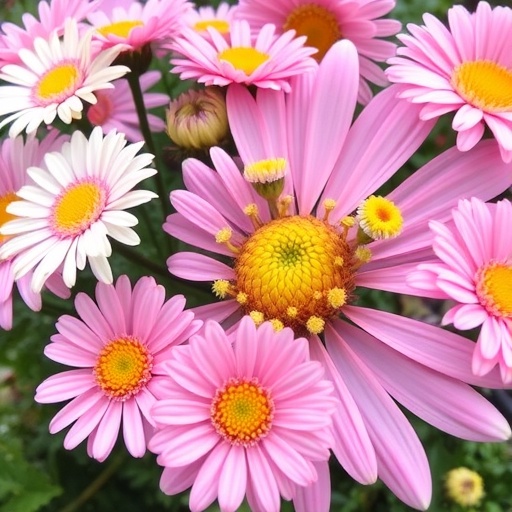
Chrysanthemums, often celebrated for their vibrant colors and intricate forms, have long captured the fascination of horticulturists and flower enthusiasts alike. A recent study conducted by researchers Liang and Wen has uncovered fascinating insights into the morphological diversity and inheritance patterns of chrysanthemum seeds resulting from open pollination. This research not only broadens our understanding of chrysanthemum genetics but also raises significant implications for cultivation practices in the agricultural sector.
The study utilizes a comprehensive approach to investigate chrysanthemum seeds, focusing primarily on seeds obtained through open pollination. Open pollination, a natural reproductive process that allows for the transfer of pollen from one flower to another, plays a critical role in the genetic diversity of plants. In the case of chrysanthemums, the implications of this process are profound, as it can produce a wide array of phenotypic variations, each with unique characteristics that can be further developed in commercial cultivation.
One of the key findings of Liang and Wen’s research is the extensive morphological diversity observed among the chrysanthemum seeds. Morphological traits, including flower size, petal color, and plant height, displayed remarkable variations even within seeds harvested from the same parent plant. This variation underscores the adaptive potential of the chrysanthemum species, allowing them to thrive in various environmental conditions and catering to the diverse preferences of consumers in ornamental horticulture.
The researchers employed rigorous genetic analysis techniques to determine the inheritance patterns of these morphological traits. By understanding how specific traits are passed down from parent to offspring, it becomes easier to predict the outcomes of future breeding endeavors. The results indicated that both dominant and recessive traits influenced seed morphology, highlighting the complexity of inheritance in chrysanthemum plants. This knowledge could significantly benefit breeders aiming to create new varieties with desirable characteristics, such as increased resistance to pests or enhanced aesthetic appeal.
Furthermore, the study emphasizes the significance of environmental factors in shaping the morphological outcomes in chrysanthemum seeds. Factors such as soil quality, light exposure, and water availability directly impact seed viability and growth, subsequently affecting the phenotypic diversity observed. This understanding could lead to improved cultivation strategies that optimize environmental conditions tailored to the specific developmental needs of chrysanthemums.
The research also discusses the concept of hybrid vigor, a phenomenon noted when cross-breeding individuals from different genetic backgrounds. Hybrid chrysanthemums often exhibit enhanced growth rates, greater flower production, and improved resilience. Exploring hybridization in the realm of open pollination may unlock exciting new possibilities for the development of superior chrysanthemum varieties.
Moreover, the study’s findings can contribute significantly to sustainable agriculture practices. By promoting diversity through open pollination, growers can support ecosystems that encourage beneficial insects and other wildlife, which play a crucial role in maintaining plant health. This method contrasts strikingly with monoculture practices, where the lack of genetic diversity can lead to vulnerabilities in crop health and yield.
In addition to its agricultural implications, this research sheds light on the cultural importance of chrysanthemums in various societies worldwide. In many cultures, chrysanthemums symbolize love and loyalty, making them popular choices for floral arrangements during significant life events. Understanding the genetic diversity within this beloved flower can empower growers to offer a more extensive range of varieties that cater to specific cultural preferences, thereby enhancing their market appeal.
The intricacies of plant breeding and genetic inheritance underlining this research serve as a source of inspiration for aspiring botanists and horticulturists. It demonstrates the importance of research in uncovering nature’s secrets, advancing both scientific knowledge and practical applications in the field of agriculture. As society increasingly turns to sustainable practices, understanding genetic diversity through studies like this becomes ever more vital.
In the context of increasing challenges posed by climate change, the ability to select and breed chrysanthemum varieties that can withstand extreme conditions will become paramount. The findings of Liang and Wen provide vital insights that plant breeders can leverage to develop chrysanthemums capable of flourishing in diverse climates, thus ensuring the longevity of this cherished ornamental species in the face of environmental challenges.
Ultimately, the study published in “Discover Agriculture” marks a significant step in our understanding of chrysanthemum seed morphology and inheritance. As the research community continues to unravel the complexities surrounding plant genetics, the implications for horticulture, agriculture, and biodiversity conservation become increasingly profound. With the groundwork laid by researchers like Liang and Wen, the future of chrysanthemum cultivation looks promising, opening the door for innovation and creativity in plant breeding.
While this research serves as a cornerstone for future investigations, it also invites further exploration into the historical and societal roles that chrysanthemums play across individual cultures. The intertwining of science and culture is perhaps one of the most significant legacies that flowers have to offer human civilization. As new varieties emerge from chrysanthemum breeding programs inspired by this research, they will undoubtedly continue to weave their legacy into the fabric of human experience.
In conclusion, the study by Liang and Wen not only illuminates the genetic nuances of chrysanthemum seeds and open pollination but also invites the global community to appreciate the rich biodiversity that exists within these beloved flowers. By nurturing and promoting this diversity, we can ensure that future generations will continue to enjoy the beauty and cultural significance of chrysanthemums for years to come.
Subject of Research: Morphological diversity and inheritance of chrysanthemum seeds in open pollination.
Article Title: Morphological diversity and inheritance of chrysanthemum seeds in open pollination.
Article References: Liang, T., Wen, C. Morphological diversity and inheritance of chrysanthemum seeds in open pollination. Discov Agric 3, 264 (2025). https://doi.org/10.1007/s44279-025-00455-6
Image Credits: AI Generated
DOI: https://doi.org/10.1007/s44279-025-00455-6
Keywords: Chrysanthemum, Morphological Diversity, Inheritance, Open Pollination, Plant Breeding, Genetic Analysis, Sustainable Agriculture, Hybrid Vigor, Environmental Impact, Cultural Significance.
Tags: adaptive potential of chrysanthemum specieschrysanthemum cultivation practiceschrysanthemum genetics studychrysanthemum seed diversityflower color variationsgenetic diversity in flowering plantshorticultural research findingsimplications of open pollinationmorphological traits of chrysanthemumsopen pollination in chrysanthemumsphenotypic variations in flowersplant height diversity