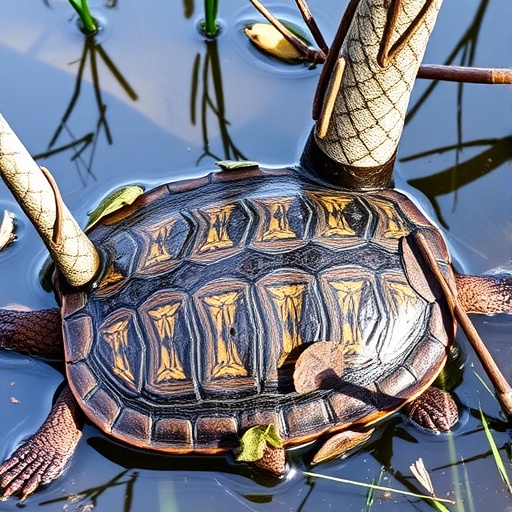
In recent years, the intricacies of reptile behavior have garnered significant attention from researchers dedicated to understanding the ecological parameters influencing their survival. One such species, the European pond turtle (Emys orbicularis), is the focus of an insightful study detailing its nest site selection and fidelity within the Babat Valley located in Gödöllő, Hungary. This research demonstrates not only the specific habitat preferences of this species but also sheds light on the broader implications for conservation efforts amidst changing environmental conditions.
Nest site selection is a critical component of reproductive success for many species, and the European pond turtle is no exception. Factors influencing this choice are multifaceted, including thermal conditions, predation risk, and habitat availability. The study meticulously examines how these turtles navigate their environment to select suitable nesting sites, an essential process that directly affects their reproductive outcomes. Understanding these patterns can provide invaluable insights for conservation strategies aimed at preserving this vulnerable species as environmental changes unfold.
The researchers collected data on turtle nesting behavior across various locations within the Babat Valley, meticulously cataloging conditions such as soil type, vegetation cover, and proximity to water sources. This comprehensive data collection allowed for robust analysis, revealing that these turtles exhibit a notable preference for specific environmental cues when choosing their nesting sites. For instance, sandy soils often emerged as a favored choice, likely due to their ability to facilitate burrowing. Furthermore, the turtles appeared to favor locations offering some degree of cover, thereby reducing predation risk during the vulnerable nesting period.
Fidelity to nesting sites is another fascinating facet explored within this study. The concept of site fidelity refers to the tendency of animals to return to specific locales for breeding purposes. In the case of the European pond turtle, the researchers observed a striking level of nest site fidelity. Many individuals returned to the same nesting locations year after year, suggesting that successful hatching and the surrounding environmental conditions played significant roles in these turtles’ decision-making processes. Such behavior highlights not only the turtles’ learned experiences but also potentially points toward the critical importance of preserving these favored habitats.
The implications for conservation of the European pond turtle in the context of habitat degradation cannot be overstated. As urban development and agricultural practices continue to encroach upon natural landscapes, understanding the habitat preferences and nesting behaviors of this turtle species is vital. The research emphasizes the need for conservationists to adopt a species-specific approach when formulating strategies to mitigate these threats. Furthermore, enhancing habitat connectivity, particularly in fragmented landscapes, will be crucial to supporting the long-term persistence of local populations.
In addition to the direct conservation implications, the study raises several important questions regarding the adaptability of the European pond turtle to changing environments. With climate change bringing forth alterations in weather patterns and habitat availability, how will these turtles respond? Will their nesting site preferences shift as temperatures fluctuate or as water levels change? Continued research into their adaptability will be essential in predicting future population dynamics and in designing effective conservation measures.
The findings of Kiss, Erdélyi, and Szabó contribute to the growing body of literature highlighting the critical need for habitat protection in the face of anthropogenic impacts. This research underscores the fact that the preservation of nesting sites isn’t merely an ecological consideration but a crucial factor in maintaining biodiversity. By advocating for the protection of key habitats and addressing the environmental factors known to influence nesting behavior, stakeholders can help ensure that the European pond turtle continues to thrive in its natural ecosystem.
As the researchers continue to analyze the data from the Babat Valley, their work also invites collaboration across various scientific disciplines. Engaging with ecologists, climate scientists, and urban planners could yield holistic solutions to foster wildlife conservation. In a world increasingly shaped by human activity, interdisciplinary approaches will be pivotal in addressing the complex challenges faced by species like the European pond turtle.
Public awareness and community involvement are equally essential in conservation efforts. Educational initiatives aimed at local communities can play a significant role in promoting the importance of maintaining natural habitats that support various species. By fostering a sense of stewardship among local populations, it is possible to create a more informed public that values biodiversity and actively participates in protective measures.
In conclusion, the research conducted on the nest site selection and fidelity of the European pond turtle in the Babat Valley offers critical insights into the behaviors and preferences of this species. As we face a rapidly changing world, understanding these intricate biological details equips conservationists with the tools necessary to protect and preserve vulnerable species. Through continued research, community engagement, and proactive conservation strategies, we can strive to ensure that this remarkable species continues to thrive in its natural habitat.
The study emphasizes that every tiny detail matters in the intricate web of life, and the survival of the European pond turtle may very well symbolize the broader fight for environmental conservation. As this species navigates its future amidst complex ecological challenges, the findings of Kiss, Erdélyi, and Szabó serve as a beacon of hope, urging us to pay closer attention to the intimate relationship between animals and their environments.
Subject of Research: Nest site selection and fidelity of European pond turtle (Emys orbicularis) in Hungary.
Article Title: Nest site selection and fidelity of European pond turtle (Emys orbicularis) population of Babat Valley (Gödöllő, Hungary).
Article References: Kiss, I., Erdélyi, G. & Szabó, B. Nest site selection and fidelity of European pond turtle (Emys orbicularis) population of Babat Valley (Gödöllő, Hungary). Front Zool 21, 20 (2024). https://doi.org/10.1186/s12983-024-00541-3
Image Credits: AI Generated
DOI: https://doi.org/10.1186/s12983-024-00541-3
Keywords: European pond turtle, nest site selection, fidelity, conservation, habitat preferences, climate change.
Tags: Babat Valley reptile ecologyecological implications of turtle behaviorEmys orbicularis conservation strategiesenvironmental changes and turtle survivalEuropean pond turtle nesting behaviorfactors influencing turtle nesting sitesGödöllő Hungary turtle researchhabitat preferences of European pond turtlesnest site fidelity in reptilespredation risk for nesting turtlesreproductive success of Emys orbicularisthermal conditions in turtle habitat