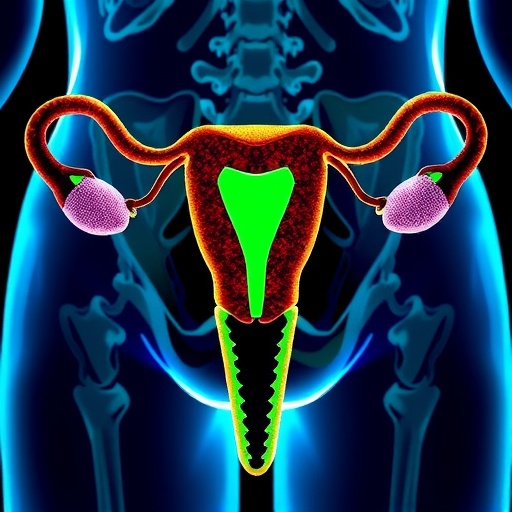
A novel study sheds light on the potential therapeutic effects of carvacrol, a natural compound found in oregano oil, which may offer promising solutions for addressing premature ovarian failure (POF) and uterine fibrosis—conditions that significantly impact women’s reproductive health. Current medical paradigms often characterize POF as a debilitating condition wherein the ovaries cease to function efficiently before the age of 40, resulting in a myriad of complications, including infertility and hormonal imbalances. The recent research demonstrates that carvacrol could serve as a formidable agent in ameliorating the detrimental effects induced by cyclophosphamide, a widely used chemotherapeutic agent known for its adverse impacts on ovarian and uterine tissues.
The study’s focus on the PI3K/AKT/FOXO3a signaling pathway illuminates the intricate network of cellular processes involved in maintaining ovarian and uterine health. Carvacrol’s role in modulating this pathway suggests that it may enhance ovarian reserve and functionality while indirectly combating the fibrotic responses that can lead to uterine complications. As these signaling molecules play critical roles in cellular survival, proliferation, and apoptosis, understanding how carvacrol interacts with them could provide breakthroughs in the treatment of reproductive health issues stemming from both drug-induced and natural deterioration of ovarian function.
At the core of this research is the transformation of animal models into physiological studies that mirror human pathologies. By administering cyclophosphamide to induce POF and uterine fibrosis in rats, researchers could closely monitor the resulting changes through a controlled experimental setup. This choice of methodology not only adds validity to the findings but also sets a foundation for potential therapeutic recommendations that could be translated into clinical practice. The careful observation of how carvacrol reverses these adverse effects could lead to significant advancements in reproductive medicine.
Interestingly, the selection of carvacrol as a treatment candidate aligns with an increasing interest in phytotherapy within modern medicine. As more individuals seek natural alternatives to conventional drugs with heavy side effects, phytochemicals like carvacrol are gaining traction for their synergistic effects and relatively benign profiles. The implications of this study highlight the ongoing shift toward integrative approaches that consider both traditional and modern treatment modalities. This perspective may pave the way for a new frontier in clinical treatments, focusing not just on symptomatic relief but also on restoring physiological balance.
Another essential aspect of this research involves evaluating the safety and efficacy of carvacrol in clinical applications. While the initial findings in rat models are promising, further investigation is required to ascertain the dosage and formulation necessary for safe administration in humans. Characterizing the specific mechanisms through which carvacrol exerts its protective effects will not only establish the groundwork for clinical trials but also help delineate the therapeutic windows in which such treatments could be most beneficial.
Moreover, understanding the cellular and molecular mechanisms behind carvacrol’s action could yield important revelations applicable to a wider array of malignancies and fibrotic diseases. The intricate relationships among different signaling pathways could be vital in orchestrating a multi-faceted response to not just reproductive health issues but also broader systemic challenges. Additional research extending beyond the realms of gynecology may uncover avenues by which carvacrol could assist in mitigating various fibrotic conditions.
The findings of this study also prompt a re-evaluation of current treatment protocols for women facing chemotherapy-induced ovarian complications. While the traditional route has often favored approaches such as hormonal replacement therapies, acknowledging natural compounds’ roles could usher in a transformative paradigm that emphasizes holistic care. This trajectory could redefine how healthcare professionals prescribe treatments, placing a higher premium on integrating lifestyle changes and the use of nutritional supplements alongside conventional therapies.
In the context of broader societal issues, the study underlines an urgent need for continued research into female reproductive health. Disparities in access to treatment for women with POF are pronounced, with many facing hurdles in finding effective solutions. As researchers continue to understand the potential of natural compounds like carvacrol, there is a cultural significance in advocating for more inclusive healthcare access that provides women with viable options for reproductive health interventions.
As health professionals and researchers converge to explore the role of natural compounds in combating significant health issues, this study serves as a reminder of the complexity inherent in developing effective treatments. By peeling back the layers of molecular interactions, the research team not only showcases the potential of carvacrol but also highlights the broader implications of redefining treatment paradigms in healthcare. This synergy between science and nature could unlock innovative strategies to empower women’s health on a global scale.
Carvacrol’s emergence as a candidate in treating chemotherapy-induced health challenges reiterates the ongoing conversations within the scientific community regarding the efficacy of traditional medicine. Such research underscores the necessity for rigorous scientific exploration, which will help validate or refute the purported benefits of such natural compounds. It is essential for future studies to build upon these findings, examining the long-term implications and potential side effects associated with carvacrol use.
In summary, the study elucidates carvacrol’s significant promise in mitigating cyclophosphamide-induced premature ovarian failure and uterine fibrosis through its regulation of critical signaling pathways. The understanding gained from this research could influence future therapeutic strategies aimed at not only alleviating symptoms but also enhancing the overall quality of life for women who face the challenges of ovarian dysfunction. As researchers and clinicians alike take heed of these findings, the hope remains that such discoveries will lay the groundwork for a new era in reproductive health—an era characterized by innovative solutions, restored physiological function, and, ultimately, more empowered choices for women everywhere.
Subject of Research: The effects of carvacrol on premature ovarian failure and uterine fibrosis induced by cyclophosphamide in rats.
Article Title: Carvacrol ameliorates cyclophosphamide-induced rat premature ovarian failure and uterine fibrosis via regulating PI3K/AKT/FOXO3a signaling pathway.
Article References:
El-Gendy, Z.A., Soliman, S.S., Aly, M.S. et al. Carvacrol ameliorates cyclophosphamide-induced rat premature ovarian failure and uterine fibrosis via regulating PI3K/AKT/FOXO3a signaling pathway.
J Ovarian Res 18, 291 (2025). https://doi.org/10.1186/s13048-025-01880-3
Image Credits: AI Generated
DOI: https://doi.org/10.1186/s13048-025-01880-3
Keywords: Carvacrol, premature ovarian failure, uterine fibrosis, PI3K/AKT/FOXO3a signaling pathway, cyclophosphamide, reproductive health, phytotherapy, women’s health.
Tags: carvacrol therapeutic effectscyclophosphamide ovarian impacthormonal balance restorationinfertility treatment optionsnatural compounds for reproductive healthoregano oil benefitsovarian health enhancementPI3K pathway modulationpremature ovarian failure treatmentreproductive health research breakthroughssignaling pathways in ovarian functionuterine fibrosis solutions