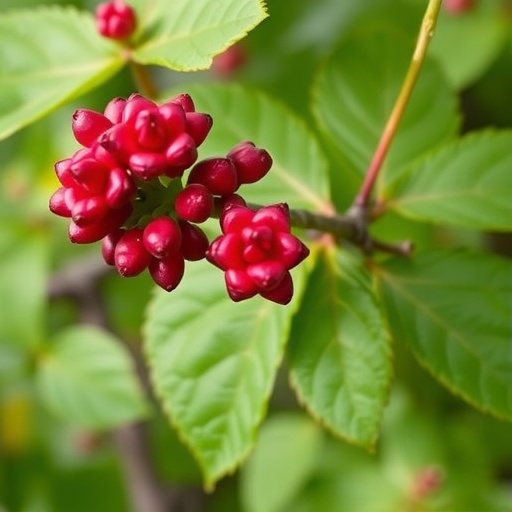
In a groundbreaking meta-analysis, researchers have undertaken a comprehensive examination of the impact of sumac (Rhus coriaria) supplementation on cardiovascular disease risk factors. Conducted by Huang, He, Zhou, and their collaborative team, the study provides compelling evidence on how this age-old spice can positively influence heart health. Published in BMC Complementary Medicine and Therapies, the research delves into the intricate relationship between dietary interventions, particularly the incorporation of sumac, and their potential therapeutic effects on cardiovascular well-being.
Cardiovascular disease (CVD) remains one of the leading causes of morbidity and mortality worldwide. The quest for effective dietary strategies that can help mitigate these risks has led researchers to explore various natural supplements. Among these, sumac has gained attention due to its antioxidant and anti-inflammatory properties, positioning it as a promising candidate for cardiovascular health improvement. This study stands as a significant contribution, synthesizing data from randomized controlled trials to establish a clearer understanding of sumac’s role in managing risk factors associated with CVD.
The hierarchical structure of cardiovascular disease risk factors often begins with metabolic indicators such as obesity, hypertension, and dyslipidemia. These parameters play a critical role in assessing an individual’s susceptibility to heart-related complications. Previous studies have indicated that dietary polyphenols, of which sumac is rich, could influence these metabolic pathways favorably. The meta-analysis analyzed multiple research articles that have investigated the effects of sumac, elucidating its mechanisms and outcomes on these key health indicators.
One of the most striking findings of the study is the significant reduction in total cholesterol and LDL cholesterol levels among individuals supplemented with sumac. Elevated cholesterol is a well-known precursor to atherosclerosis, a process where arteries become clogged and lead to heart attacks or strokes. This reduction could be attributed to sumac’s high antioxidant content, which helps to maintain lipid integrity and prevent oxidative stress-related damage to the arterial walls.
Furthermore, the meta-analysis sheds light on the effects of sumac on blood pressure regulation. Hypertension is often dubbed the silent killer due to its asymptomatic nature yet profound implications for heart health. Participants who incorporated sumac into their diets demonstrated notable improvements in both systolic and diastolic blood pressure readings. The anti-inflammatory properties of sumac may contribute to vascular dilation and improved blood flow, thus providing a holistic approach to managing hypertension.
Interestingly, the study also explored sumac’s potential in managing blood sugar levels. Insulin resistance is a common feature in metabolic syndrome, which is intrinsically linked to cardiovascular risks. Researchers noted that individuals consuming sumac exhibited better glycemic control and lower insulin levels, hinting at the spice’s capacity to modulate glucose metabolism effectively. This characteristic further positions sumac as a valuable dietary adjunct for those looking to enhance their cardiovascular health.
As the body of evidence grows, it becomes increasingly vital to understand the proper dosage and formulation of sumac supplementation for optimal results. While this meta-analysis provides aggregate insights, it underscores the necessity for future research to delineate specific dosing guidelines. Individual responses to supplementation can vary based on several factors, including baseline health status, lifestyle choices, and genetic predispositions.
It’s also essential to acknowledge the broader dietary context when considering the integration of sumac into one’s regimen. Dietary patterns that emphasize whole foods, rich in antioxidants and essential nutrients, lay the foundation for cardiovascular health. Integrating sumac into a diverse diet—rich in fruits, vegetables, whole grains, and lean proteins—could enhance its health benefits further, creating a synergistic effect that amplifies overall wellness.
Moreover, traditional cuisines that feature sumac, such as Mediterranean diets, have long been associated with lower incidences of cardiovascular disease. This research offers a scientific perspective on why these dietary traditions may confer genuine health benefits. It validates the wisdom of culinary practices rooted in the use of natural, plant-based ingredients for disease prevention and health promotion.
The implications of this study extend beyond individual health. Public health initiatives advocating for the incorporation of traditional herbal supplements into dietary guidelines could transform heart disease prevention strategies on a population level. Promoting awareness about the health benefits of commonly used spices like sumac is crucial in fostering a culture of preventive health measures.
While the study presents compelling evidence regarding sumac’s benefits, it also invites a careful consideration of its limitations. The heterogeneity between the studies included in the meta-analysis may influence the reliability of its conclusions. Differences in study designs, participant demographics, and intervention durations can affect outcomes. Therefore, future randomized controlled trials with standardized protocols will be essential in reinforcing and expanding upon these findings.
In conclusion, the meta-analysis on sumac supplementation serves as an enlightening exploration of a natural remedy with potential heart health benefits. As more individuals seek nature-based solutions to enhance their well-being, sumac emerges as a remarkable option with significant implications for preventing cardiovascular diseases. The convergence of historical usage, scientific investigation, and modern nutritional practices paves the way for a nuanced understanding of how we can harness nature’s bounty to safeguard cardiovascular health.
Researchers like Huang, He, and Zhou are placing sumac firmly on the map as a subject of serious study in the field of cardiovascular research. As this area of study evolves, it opens avenues for more comprehensive dietary recommendations, aiming ultimately to promote heart health across diverse populations. While the findings are promising, continued research will be vital to fully elucidate the pathways through which sumac exerts its health benefits and to establish effective guidelines for its use in preventing cardiovascular ailments.
With rising interest in nutritional therapies and natural supplements, sumac stands as a beacon of hope for those grappling with cardiovascular health risks. The journey towards better heart health is multifaceted, and research such as this underscores the importance of integrating time-honored traditional remedies into our modern understanding of nutrition and medicine.
Subject of Research: The effects of sumac (Rhus coriaria) supplementation on cardiovascular disease risk factors.
Article Title: Quantitative assessment of the effects of sumac (Rhus Coriaria) supplementation on cardiovascular disease risk factors: evidence from a meta-analysis of randomized controlled trials.
Article References:
Huang, H., He, B., Zhou, G. et al. Quantitative assessment of the effects of sumac (Rhus Coriaria) supplementation on cardiovascular disease risk factors: evidence from a meta-analysis of randomized controlled trials.
BMC Complement Med Ther (2025). https://doi.org/10.1186/s12906-025-05213-1
Image Credits: AI Generated
DOI:
Keywords: Cardiovascular disease, sumac, Rhus coriaria, supplementation, meta-analysis, dietary interventions, heart health, antioxidants, blood pressure, cholesterol, blood sugar, nutrition, preventive health.
Tags: anti-inflammatory effects of sumacantioxidant properties of sumacBMC Complementary Medicine and Therapies research.cardiovascular disease risk factorsdietary interventions for CVDdietary strategies for reducing heart diseaseimpact of polyphenols on cardiovascular healthmanaging obesity and hypertensionmeta-analysis on sumac supplementationnatural supplements for heart healthrandomized controlled trials on sumacSumac and heart health