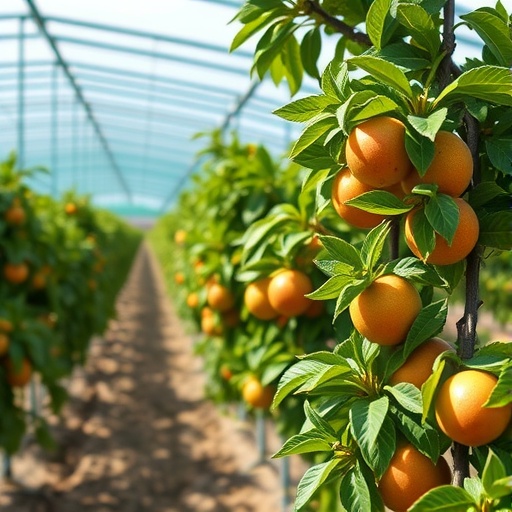
In an era characterized by rapid advancements in technology and growing concerns over resource depletion and sustainability, the realm of agricultural production has not been immune to these transformative changes. A pivotal study, conducted by Shrestha et al., introduces an ambitious vision for the role of artificial intelligence (AI) within the fruit supply chain. This framework aspires to not only enhance quality management but also to address the pressing need for circularity and sustainability in the sector. The researchers delve into the complex dynamics between AI technologies, supply chain processes, and environmental impact, ultimately providing a roadmap for the future.
The core of this integrated conceptual framework hinges on harnessing AI’s capabilities to streamline operations, reduce waste, and optimize resource use throughout the entire fruit supply chain. From cultivation to consumption, each stage presents unique challenges that can be addressed through intelligent automation. By employing AI-driven analytics, supply chain stakeholders can gain actionable insights into crop health, yield predictions, and market demands, significantly enhancing decision-making processes.
One of the critical aspects of this framework is its focus on quality management. The researchers highlight how AI can be utilized to monitor and improve the quality of fruits at various stages. Sophisticated algorithms can analyze data from multiple sources, including environmental sensors and historical yield records, allowing farmers to precisely assess conditions affecting fruit quality. This proactive approach can lead to fewer resources being squandered and a reduction in the quantity of low-grade produce entering the market.
Moreover, the integration of AI fosters unprecedented traceability within the fruit supply chain. Consumers are increasingly demanding transparency regarding the provenance of their food, and AI can provide detailed sourcing information. By tracking fruits from the farm to the table, stakeholders can identify potential quality issues sooner and implement corrective measures, creating a more robust supply chain ultimately responsive to consumer needs.
The concept of circularity emerges as a guiding principle in this innovative research. The framework proposes methods to minimize waste and recycle resources effectively, thus creating a closed-loop system that supports sustainable practices. AI can facilitate this circularity by providing insights on optimal resource allocation, reducing excess, and managing waste processes. The goal is to create a supply chain that not only meets immediate demands but does so in a manner that conserves resources for future generations.
Additionally, the relevance of collaboration cannot be overstated. The researchers emphasize that a successful implementation of the proposed framework relies on the cooperation of various stakeholders, including farmers, distributors, retailers, and consumers. Through shared data and transparency, stakeholders can work together to enhance quality management practices, ultimately leading to a more sustainable fruit supply chain.
The influence of consumer preferences on sustainability practices is also a pivotal point in this framework. As awareness of environmental issues grows, consumers are prioritizing responsibly sourced products. AI tools can analyze consumer behavior patterns, enabling producers to adjust their offerings to better align with the market, thus driving demand for sustainable options. The result is not only better quality produce but also a healthier planet.
The researchers argue that technology should not only be deemed as a tool but also a partner in revolutionizing the fruit supply chain. The advent of AI has enabled smarter farming techniques such as precision agriculture, which enhances crop yields while using fewer resources. This technology complements the goal of sustainability, as it allows for targeted interventions that minimize input waste and lower the carbon footprint of practices like pesticide and fertilizer application.
Despite the significant advantages of incorporating AI into the fruit supply chain, challenges remain. The study discusses potential pitfalls, such as the need for adequate data infrastructure and the skills necessary to interpret AI-driven insights. Education and training will be essential to equip all actors within the chain to harness these technologies effectively. Investment in both technology and human capital will be vital for the future.
The implications of this framework extend beyond immediate benefits for product quality and sustainability. By reevaluating the roles of various players in the supply chain and optimizing their processes, the framework can potentially reshape the economic landscape of the agriculture industry. Increased efficiency may lead to cost savings, while improved quality can elevate market prices, benefiting farmers and producers alike.
Furthermore, governmental policies and regulations will likely need to adapt in response to these advancements. As AI becomes increasingly integrated into the agricultural landscape, there will be a necessity for frameworks that support innovation while ensuring ethical standards are maintained. Balancing technological progress with regulatory measures will be pivotal in ensuring the overall health of the fruit supply chain.
As Shrestha et al. propose this integrated conceptual framework, the broader conversation around artificial intelligence in agriculture is far from over. Their research offers a tantalizing glimpse into a future where technology works hand-in-hand with nature to optimize and revolutionize food production. The vision they present challenges traditional practices, promoting a new era characterized by sustainable growth, reduced waste, and enhanced food quality.
In conclusion, the urgency to create sustainable systems is more pressing than ever, and this research paves the way for an exciting convergence of technology and traditional agricultural methods. The integrated conceptual framework for AI-driven fruit supply chain quality management promises to usher in a new age of agriculture that emphasizes not just productivity but also responsibility. Stakeholders within this field are poised to make significant strides towards a more circular and sustainable future.
Subject of Research: AI-driven fruit supply chain quality management
Article Title: An integrated conceptual framework for AI-driven fruit supply chain quality management: pathways toward circularity and sustainability
Article References:
Shrestha, H.M., Malik, M., Gahlawat, V.K. et al. An integrated conceptual framework for AI-driven fruit supply chain quality management: pathways toward circularity and sustainability. Discov Artif Intell 5, 376 (2025). https://doi.org/10.1007/s44163-025-00645-7
Image Credits: AI Generated
DOI: https://doi.org/10.1007/s44163-025-00645-7
Keywords: Artificial Intelligence, Supply Chain Management, Quality Management, Sustainability, Circular Economy.
Tags: AI in agricultureAI-driven analytics for supply chainscircular economy in agriculturecrop health monitoring with AIdecision-making enhancement in agricultureenvironmental impact of agricultureintelligent automation in farmingquality management in fruit productionreducing waste in fruit supply chainsresource optimization in agriculturesustainable fruit supply chainsyield prediction using artificial intelligence