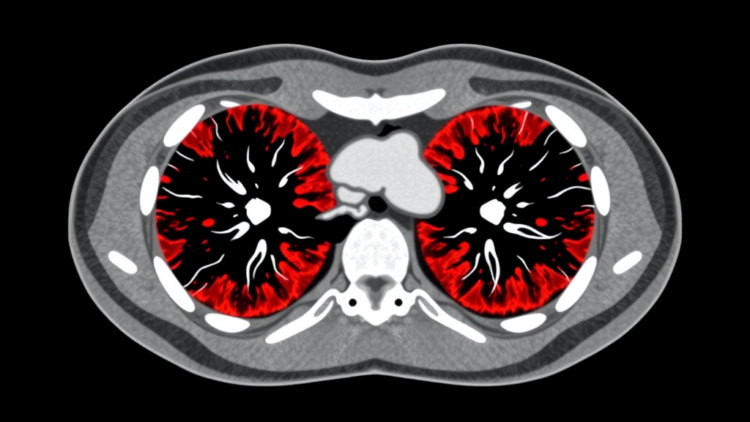
The integration of artificial intelligence (AI) into pediatric cardiovascular imaging is rapidly revolutionizing how clinicians diagnose and treat cardiovascular conditions in children. This advancement is set against a backdrop of constantly evolving technologies and methodologies, making it imperative for medical practitioners to keep pace with these changes. AI’s increasing presence in computed tomography (CT) and magnetic resonance imaging (MRI) is influencing various aspects of pediatric care, ranging from efficiency in imaging to accuracy in diagnostics.
At the core of AI’s application in cardiovascular imaging lies its ability to process vast amounts of data quickly and efficiently. In pediatric care—a field that demands precision due to the dynamic nature of children’s anatomy and physiology—AI tools can significantly enhance the interpretation of imaging studies. For instance, machine learning algorithms can analyze CT and MRI scans to identify abnormalities that may be missed by the human eye, potentially leading to earlier intervention and better patient outcomes.
In cardiology, accurate imaging is essential for assessing a range of congenital heart defects, which are among the most complex conditions pediatric cardiologists encounter. Traditional imaging techniques have inherent limitations, particularly when it comes to visualizing intricate structures in a rapidly changing physiological environment. AI-driven enhancements improve resolution and detail, allowing for better visualization of cardiovascular structures, and thereby aiding in more informed treatment decisions.
The speed at which AI algorithms can operate also allows for a more streamlined workflow in clinical settings. By automating routine tasks—such as image segmentation, feature detection, and anomaly classification—radiologists can focus on complex diagnostic interpretations rather than spending time on manual processes. This efficiency not only frees up valuable resources but also reduces the risk of burnout among healthcare professionals, who often grapple with demanding workloads.
Another important application of AI in pediatric cardiovascular imaging is its role in predictive analytics. By leveraging large datasets from imaging studies, AI systems can identify patterns that correlate with specific outcomes. This capability enables clinicians to not only assess the present condition of a patient but also to forecast potential complications or the future trajectory of a heart condition. Such predictive insights can lead to more proactive management strategies, potentially improving long-term outcomes for children with cardiovascular issues.
AI is also enhancing educational opportunities within the realm of pediatric imaging. By employing virtual reality and simulation technologies powered by AI, trainees can engage in interactive learning experiences that mimic real-life scenarios. These tools foster deeper understanding and faster skill acquisition, which is essential given the ongoing advancements in imaging technology and methodologies.
As with any transformative technology, the integration of AI into pediatric imaging raises important ethical considerations. Issues around data privacy, algorithmic bias, and the reliance on automated systems are paramount. Responsible implementation involves rigorous validation of AI systems to ensure they meet high standards of accuracy and reliability. Clinicians must also be aware of the limitations of AI models, as over-reliance could potentially lead to misdiagnoses or inadequate treatment plans.
Furthermore, the collaboration between pediatric cardiologists, radiologists, and AI specialists is crucial to harnessing the full potential of these technologies. Multidisciplinary teams are essential for the development and fine-tuning of AI applications that suit the unique challenges found in pediatric cardiology. This collaboration can lead to bespoke solutions in imaging that cater specifically to the nuances of a pediatric population, paving the way for innovations tailored to their needs.
The future landscape of pediatric cardiovascular imaging will undoubtedly see further advancements driven by AI. Research and development are ongoing, with a range of new techniques and algorithms being tested to improve diagnostic accuracy and treatment protocols. As AI technologies continue to mature, one can anticipate that they will not only be utilized in diagnostics but also in therapeutic applications, potentially unfolding new pathways for treatment in pediatric patients.
For parents and guardians, these advancements represent hope and reassurance. The ongoing evolution of pediatric cardiovascular care—enhanced by AI—aims to provide children with more accurate diagnoses and tailored therapies, ultimately leading to better health outcomes. This progress echoes a larger trend in medicine, where integrative and high-tech solutions increasingly redefine traditional healthcare paradigms.
AI-driven tools are poised to become standard practice in pediatric radiology, echoing a broader shift in healthcare toward personalized and precision medicine. As technologies evolve, there is a potential for continuously refining imaging approaches to better serve the youngest patients. The continual focus on clinical applications and future directions in this space promises exciting prospects for both practitioners and patients alike.
In conclusion, the role of artificial intelligence in pediatric cardiovascular imaging represents a significant milestone in medical imaging and care. From enhancing diagnostic accuracy to improving workflow efficiencies, AI stands to reshape the landscape of pediatric cardiology. As we look ahead, it is clear that embracing these advancements will ensure that the care provided to some of our most vulnerable patients is not only competent but also cutting-edge.
Subject of Research: The role of artificial intelligence in pediatric cardiovascular imaging
Article Title: The role of artificial intelligence in pediatric cardiovascular imaging: clinical applications and future directions in computed tomography and magnetic resonance imaging.
Article References:
Ozkok, S. The role of artificial intelligence in pediatric cardiovascular imaging: clinical applications and future directions in computed tomography and magnetic resonance imaging.
Pediatr Radiol (2025). https://doi.org/10.1007/s00247-025-06487-w
Image Credits: AI Generated
DOI: 10.1007/s00247-025-06487-w
Keywords: Artificial Intelligence, Pediatric Cardiovascular Imaging, Machine Learning, CT Imaging, MRI, Predictive Analytics, Ethical Considerations, Workflow Efficiency.
Tags: advancements in CT and MRI imagingAI in pediatric cardiovascular imagingAI-driven healthcare innovationsartificial intelligence in medical diagnosticscongenital heart defect assessmentdata processing in medical imagingearly intervention in pediatric cardiologyenhancing imaging resolution with AIfuture of medical imaging technologyimproving accuracy in pediatric cardiologymachine learning for pediatric caretechnology in pediatric healthcare