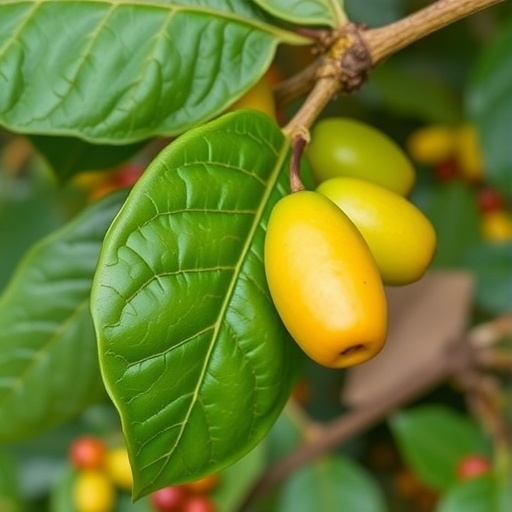
In a groundbreaking study poised to reshape our understanding of coffee biology, researchers from leading institutions have unveiled the intricate dynamics of flavonoid biosynthesis in the peel of Coffea arabica during its ripening process. This comprehensive exploration, integrating cutting-edge metabolomic and transcriptomic analyses, reveals the molecular pathways that govern the production of these vital compounds in one of the world’s most beloved beverages. As coffee consumption continues to rise globally, this research holds paramount significance for both agricultural practices and the enhancement of coffee quality.
Flavonoids are a diverse group of phytonutrients known for their antioxidant properties and roles in plant defense. In Coffea arabica, these compounds not only contribute to the flavor and color of coffee but also possess potential health benefits for consumers. Despite their importance, the specific biosynthetic mechanisms and the changes that occur as coffee cherries mature were poorly understood until now. This study’s findings bridge significant gaps in our comprehension of flavonoid metabolism in flowering plants.
In their analysis, Wang et al. meticulously tracked metabolomic changes throughout the ripening stages of coffee cherries. Utilizing advanced high-resolution mass spectrometry, the team identified a complex array of flavonoids that varied significantly across different maturity levels. This novel methodology allowed them to collect precise data on how flavonoid concentrations shifted, providing a clearer picture of the chemical evolution that occurs as coffee cherries mature. This not only highlights the dynamic nature of flavonoid production but also opens up avenues for targeted agricultural practices aimed at maximizing these beneficial compounds.
Moreover, the transcriptomics aspect of their study equipped the researchers with invaluable insights into the gene regulation involved in flavonoid biosynthesis. By employing RNA sequencing techniques, they were able to pinpoint which genes were most active during specific stages of ripening. Understanding the transcriptional activity behind flavonoid production not only clarifies how these compounds are synthesized but may also lead to biotechnological applications that enhance flavonoid levels in coffee.
The interaction between environmental factors and flavonoid biosynthesis is another critical component of this research. Environmental stressors, such as light and temperature variations, can significantly influence flavonoid profiles. By assessing samples from different growing conditions, the researchers discovered that exposure to certain environmental stresses could elevate flavonoid levels. This finding emphasizes the need for farmers to carefully consider growing practices, which can profoundly impact the chemical composition of coffee cherries and, ultimately, the flavor profile and health benefits of the final product.
This study brings to light the significant potential for enhancing coffee quality through agronomic practices. By promoting conditions that favor flavonoid accumulation, farmers could produce cherries with superior antioxidant properties, leading to beverages that not only taste better but are also healthier for consumers. Additionally, with increasing consumer demand for transparency regarding food sourcing and health benefits, this research paves the way for the coffee industry to respond to market needs by highlighting the health advantages of higher flavonoid content.
As the research team delves deeper into their findings, they emphasize that the implications extend beyond Coffea arabica. The methodologies and insights gleaned from this work could inform studies on other economically and nutritionally important crops, positioning this research as a seminal piece in the field of plant metabolomics and biotechnology. By fostering a deeper understanding of biosynthetic pathways, scientists can embark on a quest for crops that are not only more resilient but also richer in health-promoting compounds.
This research project is part of a growing movement within the agricultural and scientific communities to leverage modern technology for the advancement of traditional farming practices. The integration of omics technologies—namely metabolomics and transcriptomics—into agricultural research represents a transformative approach to crop cultivation. By harnessing the power of big data and advanced analytics, researchers are empowered to make more informed decisions regarding farming strategies.
As the scientific community continues to embrace interdisciplinary approaches, the collaboration among researchers in various fields is proving crucial to solve complex problems like flavonoid biosynthesis. This collaborative spirit is essential for not just creating new knowledge but also for disseminating findings that can transform industry practices. The collective effort displayed in this study exemplifies how targeted academic research can yield practical applications that benefit both growers and consumers alike.
The study highlights an imperative for further research into the genetic bases of flavonoid biosynthesis. By understanding the genetic architecture that underpins the metabolic pathways involved, it may be possible to engage in selective breeding or genetic modification techniques that enhance beneficial traits in coffee plants. This not only raises questions about traditional breeding methods but also engages with ethical considerations surrounding GMOs in agriculture, ultimately challenging both scientists and consumers to consider the future of food production.
In light of climate change and evolving agricultural challenges, investigating the adaptability of crops like Coffea arabica will be essential to ensuring a sustainable supply of high-quality coffee. The findings of Wang et al. underscore the potential for targeted breeding programs that prioritize resilience alongside the optimization of health-promoting compounds, ensuring that future generations will enjoy quality coffee with known health benefits.
In summary, Wang, Zhang, Wu, and their colleagues illuminate the significant biochemical pathways that govern flavonoid production in Coffea arabica. Their integration of advanced metabolomic and transcriptomic analyses offers insights with profound implications for the coffee industry, especially as it pertains to enhancing quality and sustainability. This work stands as a testament to the power of modern science in redefining our understanding of food, nutrition, and plant biology.
As the results from this study permeate the global conversation surrounding coffee production, consumers can look forward to an era where science enables choices that not only elevate the sensory experience of coffee drinking but also foster a healthier lifestyle.
Subject of Research: Flavonoid biosynthesis in Coffea arabica peel during ripening.
Article Title: Analysis of changes and biosynthesis mechanism of flavonoids in Peel of Coffea Arabica L. during ripening based on metabolome and transcriptome.
Article References: Wang, Z., Zhang, X., Wu, Y. et al. Analysis of changes and biosynthesis mechanism of flavonoids in Peel of Coffea Arabica L. during ripening based on metabolome and transcriptome.
BMC Genomics (2025). https://doi.org/10.1186/s12864-025-12385-0
Image Credits: AI Generated
DOI:
Keywords: Flavonoids, Coffea Arabica, metabolomics, transcriptomics, biosynthesis, ripening, coffee quality, agricultural practices.
Tags: advanced mass spectrometry in plant researchagricultural practices for coffee cultivationantioxidant properties of flavonoidsCoffea arabica flavonoid biosynthesiscoffee cherry ripening processcoffee quality enhancement researchflavonoid compounds in coffee peelhealth benefits of coffee flavonoidsmetabolomic analysis of coffeemolecular pathways in coffee ripeningphytonutrients in coffee plantstranscriptomic study in coffee