In recent years, the role of community-based interventions in improving the well-being of older adults has garnered significant attention from researchers, educators, and healthcare professionals alike. Amidst the growing body of literature advocating for innovative strategies in geriatric care, a novel approach has emerged: community dance programs that leverage intergenerational interaction. A forthcoming study titled “Intergenerational approach of community dance program for older adults in Singapore: a feasibility cluster-controlled trial” authored by Wu et al. presents promising findings on this subject. This groundbreaking research sets its sights on determining the feasibility and potential benefits of a dance program designed to bridge generational gaps while enhancing the quality of life for older adults.
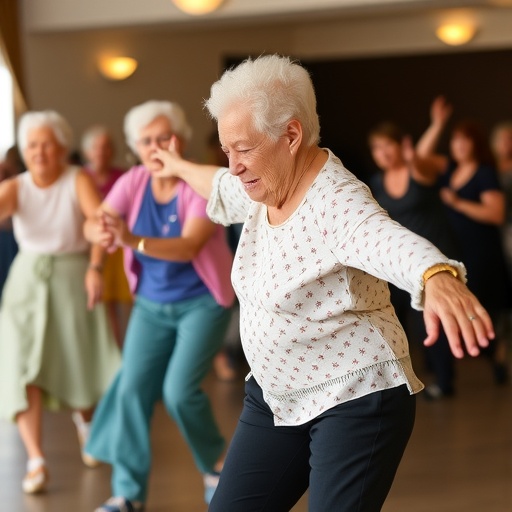
Dance, as a form of physical activity, has long been recognized for its multifaceted benefits, particularly among aging populations. It not only promotes physical fitness, facilitating improved strength, balance, and flexibility, but also has a profound effect on mental health. Engaging in dance encourages social interaction, which can help alleviate feelings of loneliness and isolation common among older adults. Wu et al.’s study specifically highlights the importance of creating intergenerational connections through dance, aiming to establish a supportive community network that fosters mutual understanding and respect between older adults and younger generations.
The feasibility of implementing such a program in a culturally rich and diverse setting like Singapore is pivotal to the study’s design. As an urban hub with a melting pot of cultures, Singapore offers unique opportunities for community-based initiatives. Wu and colleagues meticulously designed their trial to assess various factors, including participant recruitment, adherence to the program, and overall enjoyment experienced by participants. The researchers aimed to gather quantitative data through surveys and qualitative insights via interviews, ensuring a well-rounded understanding of the program’s impact.
Participants in the study included older adults from various backgrounds and experiences, as well as younger individuals willing to engage in dance activities. Pre-program assessments were conducted to gauge participants’ initial physical and mental health levels. This baseline data was crucial in evaluating the dance program’s effects over time. The intergenerational approach aimed to dissolve preconceived notions and stereotypes between age groups, fostering an environment ripe for learning and personal growth.
The interactivity inherent in dance offers a rich avenue for older adults to exhibit physical capabilities and embrace creativity while also displaying their cultural heritage. The program incorporated diverse dance styles, ranging from traditional cultural dances to contemporary choreography, providing participants various ways to express themselves. This blend of tradition and modernity ensured that participants felt empowered and connected to both their roots and the present moment.
Wu et al.’s study placed significant emphasis on group dynamics and the social interactions that emerged during dance sessions. Researchers observed that the collaborative nature of group dance prompted older adults to take on leadership roles, which in turn bolstered their self-esteem and agency. Younger participants, in contrast, gained valuable insights from their older counterparts, fostering a reciprocal learning environment. This enriching exchange of ideas and experiences deepens the communal bond while promoting respect across age divides.
The findings of this feasibility study are poised to inform policymakers and healthcare practitioners about the viability of similar programs in other urban societies. By demonstrating that community dance initiatives can lead to positive outcomes, researchers hope to inspire a paradigm shift in elder care practices. Embracing such intergenerational programs may not only cultivate social cohesion but also contribute to the overall health quality of aging individuals.
As part of the research, the assessment metrics explored both physical and psychological dimensions of health. Outcomes reflected improvements in strength, flexibility, and emotional well-being—critical areas often compromised in aging populations. Participants reported feeling more energized, socially connected, and mentally stimulated as a result of their involvement in the dance program. Such positive psychological ramifications emphasize the necessity of continued research in this realm, potentially leading to larger-scale interventions beyond community settings.
Furthermore, the significance of culturally inclusive programming cannot be overstated. This study demonstrates the importance of recognizing and respecting diverse cultural backgrounds in the creation of community health interventions. Programs that celebrate various cultural identities through movement not only enhance participation but also enrich the overall experience for individuals involved. This communal appreciation for diverse heritages creates a sense of belonging that is invaluable, particularly for older adults.
As the researchers prepared to publish their findings in the journal BMC Geriatrics, excitement surrounded the possibilities this study opens for future explorations in geriatric care. The intergenerational community dance program presents a scalable model that can potentially be implemented in various urban settings worldwide. By initiating dance programs that focus on community cohesion and social engagement, societies can cultivate spaces that prioritize the physical and mental wellness of their aging populations.
In summary, Wu et al.’s feasibility study highlights the promising potential of intergenerational community dance programs to enhance the aging experience. The fusion of physical activity, mental enrichment, and social connectivity through dance represents a holistic approach to geriatric care. As the study suggests, such initiatives could become vital components of community health strategies, strengthening the bonds between generations and fostering a climate of mutual appreciation.
As the healthcare landscape continues to evolve, so too must our strategies for ensuring the health and well-being of older adults. With findings from this remarkable research, initiatives like the intergenerational community dance program can pave the way for a brighter and healthier future for aging populations. Society has much to gain from fostering these connections, embracing both the wisdom of experience and the vibrancy of youth through the art of dance.
Subject of Research: Intergenerational community dance programs for older adults.
Article Title: Intergenerational approach of community dance program for older adults in Singapore: a feasibility cluster-controlled trial.
Article References:
Wu, X.V., Tam, W.S.W., Yap, X.Y. et al. Intergenerational approach of community dance program for older adults in Singapore: a feasibility cluster-controlled trial. BMC Geriatr (2025). https://doi.org/10.1186/s12877-025-06796-7
Image Credits: AI Generated
DOI:
Keywords: Community dance, intergenerational programs, older adults, feasibility study, mental health, social cohesion, aging populations.
Tags: benefits of dance for older adultsbridging generational gaps through dancecommunity-based interventions for seniorsfostering community support for seniorsholistic benefits of danceimproving well-being in aging populationsinnovative strategies in geriatric careintergenerational dance programsmental health and dancephysical activity for elderlypromoting social interaction among seniorsreducing loneliness in older adults