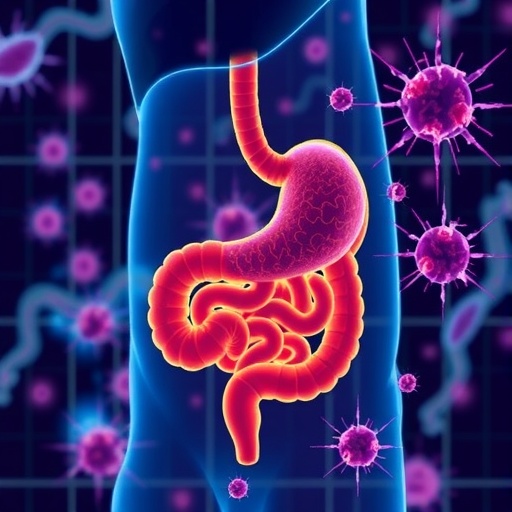
In recent years, the intricate relationship between the human microbiome and overall health has become a focal point of scientific inquiry. Advances in microbiological research have especially highlighted the significance of gut bacteria in various phases of human life, from infancy onward. A groundbreaking study conducted by Zhang et al. has taken this exploration a step further by investigating how the intestinal microbiota of neonates impacts early child development. The ramifications of this research extend far beyond academic interest, touching on pediatric health, developmental milestones, and even long-term psychological outcomes.
The initial findings of this study indicate that the types and ratios of bacteria present in the intestines of neonates can play a pivotal role in shaping their developmental trajectories. Notably, the composition of gut microbiota has been shown to influence not only physical development but also cognitive and emotional growth during the formative years of a child’s life. This might suggest that the early bacterial environment could set the tone for various developmental milestones, introducing new considerations in pediatric healthcare and nutrition.
According to Zhang and colleagues, the gut microbiome’s early establishment is influenced by multiple factors, including mode of delivery, breastfeeding practices, and environmental exposures. For instance, neonates born via cesarean sections may experience different initial microbiota compared to those delivered vaginally. Breastfeeding, while already widely recognized for its numerous health benefits, also plays a crucial role in seeding beneficial microbes in infants’ intestines, thereby enhancing their immune responses and developmental outcomes.
The research takes an interdisciplinary approach, employing cutting-edge genomic sequencing techniques to analyze the gut microbiome. These techniques allow researchers to identify the various bacterial species present and their potential interactions within the gut ecosystem. This level of analysis reveals much about the intricate interplay of microorganisms and their contribution to host physiology. Consequently, the significance of microbial diversity emerges as a critical component that may be linked to better child development metrics, including cognitive function and emotional regulation.
The interplay between genetics and microbiota also warrants attention. Recent findings suggest that while hereditary factors contribute to an individual’s susceptibility to certain conditions, microbiomes can modulate these genetic predispositions. In other words, the environmental influences exerted by the gut microbiota may offset or enhance genetically-driven developmental challenges. This suggests a level of plasticity in early childhood development, making it vital for parents and caregivers to understand the factors influencing microbiome establishment.
Additionally, disruptions in microbial balance, known as dysbiosis, have been associated with a variety of developmental disorders. Conditions such as autism spectrum disorders, attention deficit hyperactivity disorder, and various learning disabilities have been correlated with imbalances in gut microbiota. Zhang et al.’s study posits that targeting the gut microbiome through dietary interventions or probiotics could potentially offer new avenues for preventing or managing these disorders, making it a significant area for future research.
Another noteworthy aspect of this study is the emphasis on dietary patterns in infancy. The introduction of solid foods and the timing surrounding this transition can profoundly influence the developing microbiota. The authors argue for the implementation of structured dietary guidelines that are not only based on nutritional value but also on microbial health. As scientific consensus grows regarding the importance of nutrient timing and composition, pediatricians and health organizations may consider revising recommendations to enhance beneficial microbial diversity.
Neonates are not just passive recipients of their microbiota; they actively engage in shaping their intestinal environment through behaviors such as sucking, breathing, and even playing. This bidirectional interaction suggests that fostering a nurturing environment can significantly impact microbial establishment and, ultimately, developmental outcomes. For instance, exposure to pets and diverse environments could contribute positively by introducing beneficial microbes that reinforce the immune system and cognitive functions.
These findings possess implications for maternal health as well. It has been suggested that maternal diet, stress levels, and overall health during pregnancy can influence the microbiota composition of the offspring. Therefore, maternal wellness programs might be re-evaluated to incorporate strategies for optimizing microbial health, which may subsequently yield dividends in the child’s development.
The socio-economic factors influencing access to health resources also cannot be overlooked. Discrepancies in healthcare access and nutritional education between different demographics may result in varied microbial exposures, further perpetuating health disparities. Addressing these inequalities may be essential in ensuring that all children have the opportunities for optimal gut health and developmental outcomes.
Importantly, public health policies may also need to evolve to accommodate these emerging insights. Governments and health agencies might begin to incorporate gut health into child development guidelines, promoting strategies that encourage both maternal and infant bacterial health. Public campaigns could focus on educating parents about the crucial role of the microbiome in early development, elucidating the beneficial impacts of measures such as breastfeeding, varied diet, and environment.
As we light the path forward, this pivotal research contributes to a growing consensus regarding the profound influence of the gut microbiota on human health, particularly in neonates. Beyond illuminating the connections that exist between our microbial residents and our overall well-being, it also underscores the pressing need for continued research in this domain. The exploration of gut health represents not just a focus on individual health outcomes but a broader perspective on public health.
In summary, the research conducted by Zhang et al. is both timely and impactful, emphasizing the critical nature of microbial health during the earliest stages of life. As scientific inquiry in this area expands, one cannot help but imagine the future possibilities that might unfold as we learn to harness the power of our microbiota for enhanced health outcomes across the lifespan. The clear takeaway is that safeguarding gut health from the very beginning may very well offer a foundation for a healthier generation.
Subject of Research: The influence of intestinal microbiota in neonates on early child development.
Article Title: Influence from the intestinal microbiota of neonate on early child development.
Article References:
Zhang, Y., Zheng, W., Yan, X. et al. Influence from the intestinal microbiota of neonate on early child development.
BMC Pediatr 25, 976 (2025). https://doi.org/10.1186/s12887-025-06336-7
Image Credits: AI Generated
DOI: https://doi.org/10.1186/s12887-025-06336-7
Keywords: microbiome, neonate, child development, gut health, pediatric nutrition, dysbiosis, maternal health.
Tags: breastfeeding and gut microbiomechild development and gut healthdevelopmental milestones in childrenearly childhood cognitive developmentenvironmental factors and microbiotagut bacteria influence on growthimpact of gut bacteria on infantsmicrobiome and pediatric healthmode of delivery and gut healthneonatal gut microbiotapediatric healthcare and nutrition strategiespsychological outcomes of gut microbiota