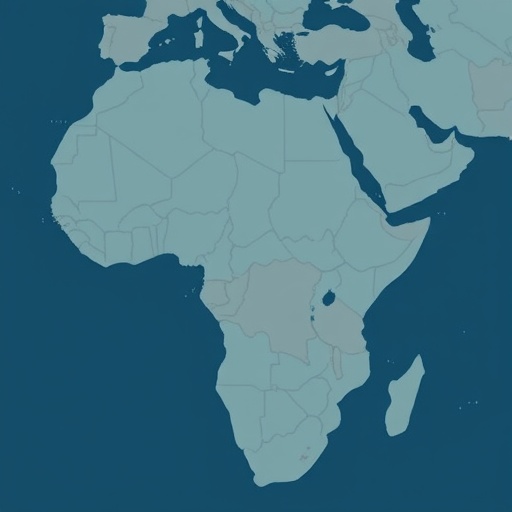
In the ever-evolving field of health policy and systems research, the significance of collaboration and networking among researchers has never been more pronounced. With the multitude of challenges faced by healthcare systems in developing regions, particularly in West Africa, the need for effective peer-learning and support networks is vital. A groundbreaking study conducted by Defor et al. sheds light on these networks, unveiling the intricate tapestry of interactions that characterize health research collaborations in this part of the world. Their research, which employs social network analysis, offers invaluable insights into how knowledge exchange and peer support can bolster health policy development and implementation.
Despite the wealth of potential that exists within the health research community in West Africa, the region has been historically underrepresented in global health discourse. Researchers often find themselves working in silos, with limited opportunities for sharing valuable insights and experiences. The study conducted by Defor and colleagues highlights the importance of breaking down these barriers to enhance collaboration and foster a more integrated approach to health research. By focusing on peer-learning, the researchers aim to identify strategies that can build more robust networks among health policy actors, ultimately leading to more effective health interventions.
At the core of the study’s methodology is social network analysis, a tool that allows researchers to visualize and assess the relationships between different actors within a network. This approach enables the identification of key players and the dynamics of their interactions. The findings from this analysis reveal both strengths and weaknesses within the current health research landscape in West Africa. For instance, the authors noted some well-connected individuals who serve as critical information nodes, facilitating the flow of knowledge among their peers. However, they also identified areas where connectivity is lacking, signaling opportunities for targeted interventions.
One of the most compelling insights from this research is the recognition of how peer-learning environments can significantly enhance the capacity of health researchers. When individuals engage in collaborative learning, they are more likely to share their experiences and knowledge, leading to improved practices within the healthcare system. The study suggests that fostering such environments can create a culture of trust and mutual support, which is essential for developing effective health policies. In this context, health research actors are not only passive recipients of knowledge but active participants in a dynamic learning process.
Moreover, the research emphasizes that the benefits of peer-learning extend beyond individual researchers. When researchers forge stronger ties with one another, they can collectively address the pressing health challenges facing their communities. Through the establishment of vibrant networks, health policy actors in West Africa can pool their resources, share best practices, and implement evidence-based interventions more effectively. This collaborative spirit is particularly crucial in the face of emerging health threats, such as infectious disease outbreaks and chronic health conditions.
The implications of Defor et al.’s findings resonate far beyond the confines of academic research. Policymakers and health administrators should take note of the transformative potential of peer-learning networks. By investing in initiatives that support collaboration among health researchers, stakeholders can cultivate an ecosystem that fosters innovation and responsiveness within health systems. This shift in focus could lead to more tailored and effective health interventions that directly address the needs of local populations.
Furthermore, enhancing connectivity among researchers can aid in the mobilization of resources for health research. The study highlights that a well-connected network creates opportunities for funding and partnership, which are often critical for the success of research projects. By pooling expertise and resources, researchers can pursue larger, more ambitious projects that can yield significant benefits for public health. This collaborative approach not only strengthens the overall research landscape but also contributes to building a more resilient health system.
In exploring the nuances of peer-learning, the researchers also consider the role of technology in facilitating these interactions. In an increasingly digitized world, digital platforms can serve as powerful tools for connecting health policy actors. Virtual spaces for collaboration can transcend geographical limitations, allowing researchers from diverse backgrounds to share their insights easily. By harnessing the power of technology, the health research community in West Africa can expand its reach and ensure that valuable knowledge is disseminated widely.
The findings from this study also underscore the importance of inclusivity in health research networks. An effective peer-learning environment must accommodate diverse voices and perspectives, particularly those of marginalized groups. Inclusivity not only enhances the richness of discussions but also ensures that research outcomes are reflective of the needs of the broader population. The researchers call for intentional efforts to create opportunities for underrepresented individuals to engage in collaborative learning, thereby strengthening the collective impact of health research initiatives.
In conclusion, the research conducted by Defor and colleagues serves as a clarion call for the health research community in West Africa to embrace the transformative power of peer-learning and collaboration. As the landscape of health policy research continues to evolve, fostering networks that promote knowledge exchange and support among researchers can pave the way for more effective health interventions. The commitment to establishing robust peer-learning environments will not only enhance individual capacities but also create a more integrated and responsive health system that is equipped to tackle the challenges of today and tomorrow.
In light of these findings, it is clear that the collaboration among health policy and systems researchers is no longer a luxury but a necessity. The synergy that emerges from collective effort can propel the region towards improved health outcomes. As stakeholders in health research consider the implications of this study, it is essential to prioritize the creation of networks that facilitate learning and growth. By doing so, West Africa can set the stage for a future where health policies are informed by rich, collective experiences—a future where no researcher stands alone.
In closing, the research highlights the exciting potential of peer-learning in shaping the future of health policy and systems research in West Africa. With a commitment to collaboration and knowledge sharing, the region can harness its collective expertise to confront health challenges and improve the well-being of its populations. The opportunity is ripe for a transformation in how health research is conducted and utilized, and it starts with fostering connections among those who aspire to make a difference.
Subject of Research: Peer-learning and support among health policy and systems research actors in West Africa.
Article Title: Peer-learning and support among health policy and systems research actors in West Africa: a social network analysis.
Article References: Defor, S., Mukinda, F.K., Bocoum, F.Y. et al. Peer-learning and support among health policy and systems research actors in West Africa: a social network analysis. Health Res Policy Sys 23, 151 (2025). https://doi.org/10.1186/s12961-025-01417-6
Image Credits: AI Generated
DOI: https://doi.org/10.1186/s12961-025-01417-6
Keywords: Health research, peer-learning, collaboration, West Africa, social network analysis, health policy, systems research.
Tags: building robust health policy networkschallenges in West African healthcareenhancing health policy developmentfostering collaboration among health researchershealth research networks in developing regionsintegrated approach to health researchknowledge exchange in healthcarepeer-learning in health systemssocial network analysis in health researchstrategies for effective health interventionsunderrepresentation in global health discourseWest Africa health policy collaboration