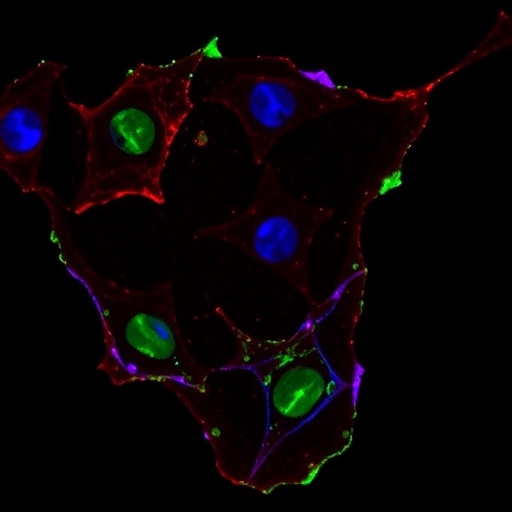
In a groundbreaking study published in Scientific Reports, researchers led by JH Ryu, in collaboration with colleagues Mangal and Kim, explore the profound effects of a peptide known as SHLP2 on pre-osteoblastic cells under stress. The study sheds light on the intricate mechanisms by which SHLP2 mitigates the harmful impacts of oxidative stress, a condition that contributes to cellular aging and inflammation—referred to as “inflammaging.” This research is particularly significant, considering the rising prevalence of age-related diseases, which pose a global health challenge.
Oxidative stress arises when there is an imbalance between reactive oxygen species (ROS) production and the body’s ability to detoxify these harmful byproducts. This imbalance leads to cellular damage, affecting various cell types, including osteoblasts—the bone-forming cells essential for maintaining bone health. The researchers embarked on a quest to understand how SHLP2 could potentially counteract this oxidative stress and promote the health of pre-osteoblastic cells.
The experimental design involved subjecting pre-osteoblastic cells to conditions that induce oxidative stress and observing their subsequent response when treated with SHLP2. The researchers meticulously measured various parameters of cellular health, including cell viability, inflammation markers, and oxidative damage indicators. Their findings revealed a remarkable protective effect of SHLP2 on these cells, demonstrating that SHLP2 treated cells exhibited significantly higher viability and lower levels of inflammation compared to untreated controls.
One of the pivotal discoveries of this research was the ability of SHLP2 to enhance the expression of antioxidant enzymes within the pre-osteoblastic cells. These enzymes play a crucial role in neutralizing oxidative stress, thus reducing cellular damage. The study identified key enzymes, such as superoxide dismutase and catalase, which showed increased activity in the presence of SHLP2. This suggests that SHLP2 not only protects the cells from immediate oxidative damage but also bolsters their long-term antioxidant defenses.
Moreover, the researchers delved into the signaling pathways activated by SHLP2 that contribute to its protective effects. They found that SHLP2 modulates several important cellular signaling pathways, including the Nrf2 pathway, which is known for its role in regulating the expression of antioxidant proteins. The activation of this pathway indicates that SHLP2 could serve as a potent molecular intervention to enhance cellular resilience and combat age-related deterioration in bone health.
The implications of these findings are profound. Given that osteoblast dysfunction is a hallmark of various bone disorders, including osteoporosis, the potential application of SHLP2 as a therapeutic agent is exciting. The researchers propose that enhancing the function of pre-osteoblastic cells through SHLP2 could pave the way for new treatment strategies aimed at preventing or reversing bone-loss conditions. This could significantly impact the management of osteoporosis, particularly in aging populations who are most vulnerable to such diseases.
Further investigations will be necessary to fully elucidate the mechanisms through which SHLP2 operates and to evaluate its effectiveness in in vivo settings. The researchers stress the need for clinical trials to determine the safety and efficacy of SHLP2 as a supplement or therapeutic agent for individuals at risk of bone degenerative diseases. As the population ages, strategies to enhance bone health become increasingly urgent, making this line of research timely and critical.
In addition to the direct implications for bone health, the study adds to the broader understanding of the role of peptides like SHLP2 in cellular aging. By exploring how such peptides can modify cellular responses to stress, researchers can unlock new strategies for combating various age-related health issues. This research not only highlights the potential of SHLP2 in pre-osteoblastic cells but also opens avenues for further exploration of peptide-based therapies for other cell types affected by oxidative stress and inflammation.
As the field of biogerontology continues to evolve, the findings from Ryu et al. represent a significant advancement in our understanding of how molecular interventions can influence aging at the cellular level. The work illustrates that the restoration of cellular function through targeted peptides may hold the key to not only preserving bone health but also enhancing overall longevity and quality of life in aging populations.
In conclusion, the research conducted by Ryu and colleagues is poised to ignite interest across multiple scientific domains, from cellular biology to gerontology and clinical medicine. It encapsulates the essence of modern biomedical research, where understanding the molecular basis of aging can lead to tangible strategies for improving health outcomes. The future may very well see SHLP2 or similar peptides emerge as staples in age-related disease prevention, making this study a cornerstone for future endeavors in the field.
Subject of Research: The protective role of SHLP2 in pre-osteoblastic cells against oxidative stress-induced inflammaging.
Article Title: SHLP2 restores pre-osteoblastic cells against oxidative stress-induced inflammaging.
Article References:
Ryu, JH., Mangal, U., Kim, JH. et al. SHLP2 restores pre-osteoblastic cells against oxidative stress-induced inflammaging.
Sci Rep (2025). https://doi.org/10.1038/s41598-025-30415-5
Image Credits: AI Generated
DOI: 10.1038/s41598-025-30415-5
Keywords: SHLP2, oxidative stress, pre-osteoblastic cells, inflammaging, aging, bone health, antioxidants, cellular signaling pathways, osteoporosis.
Tags: age-related diseases and preventiongroundbreaking research in bone biologyinflammaging and health implicationsinflammation markers in cellular researchmechanisms of SHLP2 in cellular protectionosteoblasts and bone healthoxidative stress and cellular agingpotential therapies for oxidative stresspre-osteoblastic cell viability studyreactive oxygen species detoxificationSHLP2 and oxidative damage indicatorsSHLP2 peptide effects on pre-osteoblasts