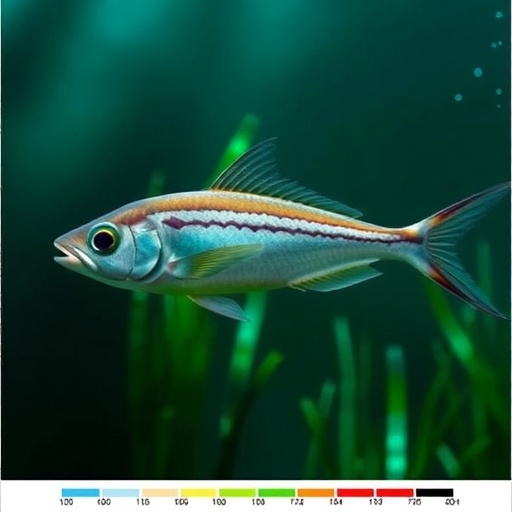
In the intricate ecosystems of Indian waters, a focus has emerged on the genetic intricacies of the milkfish, scientifically known as Chanos chanos. This species, pivotal to both local fisheries and aquaculture, has garnered attention through the innovative deployment of microsatellite markers. Recent research conducted by Jose, D.M. and Divya, P.R. sheds light on the genetic structuring and diversity within this species across various aquatic realms of India, presenting a notable contribution to our understanding of fish genetics and conservation.
The study implemented a comprehensive methodology involving the extraction of DNA samples from milkfish populations collected from diverse geographical locations. By utilizing microsatellite markers, which are variable tandem repeats of DNA sequences, the researchers were able to assess genetic variation, identify specific alleles, and explore the historical biogeography of Chanos chanos. This approach not only emphasizes the importance of genetic analysis in fisheries management but also enhances our understanding of the population dynamics of this economically significant species.
Given the increasing pressures of overfishing and habitat degradation, elucidating the genetic structure of milkfish populations is paramount for effective conservation strategies. The findings of this study indicate significant genetic differentiation among populations, which suggests that localized management strategies could be more effective than a one-size-fits-all approach. Such insights presented in their study can pave the way for tailoring conservation efforts that consider the unique genetic makeup of different populations, thereby ensuring their sustainability.
What makes this study particularly compelling is the application of advanced molecular techniques that unlock the genetic diversity lying within milkfish populations. The results underscore the importance of maintaining genetic diversity to enhance the resilience of fish populations against environmental changes and anthropogenic effects. In essence, the genetic tapestry of Chanos chanos acts as a critical reservoir for biodiversity, highlighting the necessity for scientists and conservationists alike to prioritize genetic studies in their strategies.
The implications of these findings extend far beyond academic interest. As global demand for seafood continues to rise, understanding the genetic health of milkfish populations could directly influence aquaculture practices and policies. By harnessing genetic insights, aquaculture operations can enhance breeding programs, optimize stock management, and ensure the sustainability of fish farming practices, which can ultimately bolster local economies.
In addition to its economic relevance, the study addresses ecological aspects, showcasing the interconnectedness between genetic diversity and ecosystem health. Healthy populations with ample genetic variability are better positioned to adapt to shifting environmental conditions, thus underpinning the entire aquatic ecosystem’s stability. Protecting such genetic diversity is tantamount to securing not just the future of milkfish, but also the myriad species that cohabit these water systems.
While the technical aspects of the study are groundbreaking, the authors stress the role of policy in safeguarding these fish. Genetic research serves as the foundation for drafting scientifically informed regulations that govern fishing practices, habitat protection, and resource management. The integration of genetic data into fisheries policy is essential for the development of effective management regimes capable of addressing both local and global challenges faced by marine species.
The appeal of this research transcends the scientific community, igniting public interest in marine biodiversity and conservation. With the imminent threats posed by climate change and pollution, discussions around genetic conservation are becoming ever more critical. The study not only enriches the scientific dialogue but also serves as a clarion call for stakeholders—from fishermen to policymakers—to acknowledge and act on the urgency of preserving aquatic genetic resources.
In conclusion, the research conducted by Jose and Divya emphasizes the vital role that genetic studies play in understanding and conserving marine species such as milkfish. Through the application of microsatellite markers, the authors provide powerful insights that could inform conservation strategies and enhance aquaculture practices. As we stand at the crossroads of ecological risk and sustainability, this research not only contributes to the scientific canon but also fosters a broader understanding and appreciation of the genetic complexities residing in our oceans.
With an ever-growing body of evidence supporting the urgency of this issue, it is clear that the fate of our aquatic biodiversity hinges on our ability to integrate genetic insights into conservation strategies. As we continue exploring these genetic tapestries, we not only enrich our understanding of individual species but also reinforce the resilience of entire marine ecosystems.
Moving forward, the next steps involve applying these genetic insights to real-world conservation efforts and educating stakeholders about the importance of genetic diversity. By highlighting the scientific findings in a manner that resonates with the public, we can galvanize efforts toward sustainable practices that honor the complexity of our natural world.
Ultimately, the journey of understanding milkfish genetics is just beginning. With ongoing research and collaboration among scientists, policymakers, and conservationists, we have the potential to create a sustainable future for Chanos chanos and the aquatic realms it inhabits.
Subject of Research: Genetic diversity and conservation of milkfish Chanos chanos in Indian aquatic realms.
Article Title: Microsatellite Markers Unveil the Genetic Tapestry of Milkfish Chanos chanos (Fabricius, 1775) in Indian Aquatic Realms.
Article References:
Jose, D.M., Divya, P.R. Microsatellite Markers Unveil the Genetic Tapestry of Milkfish Chanos chanos (Fabricius, 1775) in Indian Aquatic Realms.
Biochem Genet (2025). https://doi.org/10.1007/s10528-025-11293-y
Image Credits: AI Generated
DOI: https://doi.org/10.1007/s10528-025-11293-y
Keywords: Milkfish, Chanos chanos, microsatellite markers, genetic diversity, conservation, aquaculture, fisheries management.
Tags: aquaculture and fish geneticsbiogeography of Chanos chanosChanos chanos population dynamicsDNA extraction methods in fish studiesecological importance of milkfisheconomic significance of milkfish in Indiafisheries management strategiesgenetic analysis for conservationlocalized conservation strategies for fishmicrosatellite markers in fish geneticsmilkfish genetic diversity in Indiaoverfishing and habitat degradation