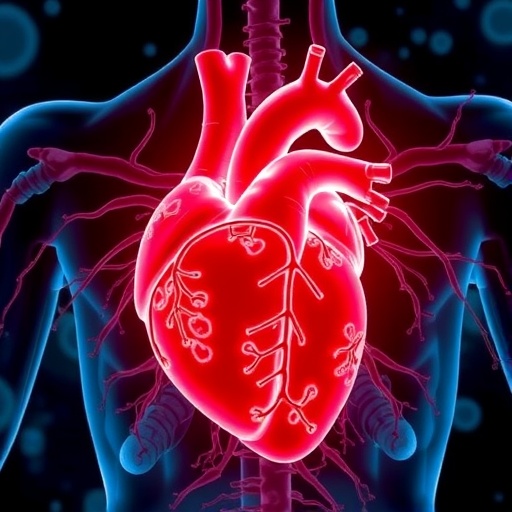
In the quest to find revolutionary treatments for cardiovascular diseases, researchers have recently turned their attention to an unexpected ally: hydrogen gas. A groundbreaking study led by Yamada and colleagues highlights the cardioprotective effects of hydrogen gas, showcasing its potential to revolutionize therapeutic strategies. The research introduces exciting findings on hydrogen’s role in activating autophagy in rat cardiomyocytes, suggesting that this approach could pave the way for novel treatments in cardiac protection.
The study not only explores the cardioprotective characteristics of hydrogen gas but also delves deeply into the underlying mechanisms. By understanding how hydrogen gas interacts with cellular pathways, researchers revealed that it acts as a potent modulator of autophagy, a crucial process in maintaining cellular homeostasis. This insight could be vital for developing interventions that mitigate heart tissue damage during ischemic events, such as heart attacks.
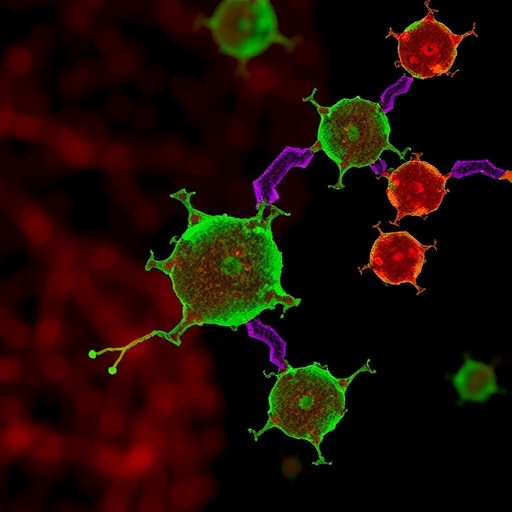
Traditionally, autophagy has been recognized as a cellular cleanup process, helping cells recycle damaged organelles and proteins. However, its role in cardiomyocytes during stress conditions like hypoxia or nutrient deprivation wasn’t fully understood until recently. The work by Yamada et al. provides compelling evidence that hydrogen gas can significantly enhance this process, offering a new perspective on how we can protect heart cells from detrimental conditions.
The researchers utilized an innovative approach to precondition the rat cardiomyocytes with hydrogen gas, finding promising results that underline its protective nature. By exposing the cells to hydrogen-infused media, they were able to induce a state of preconditioning, thereby enhancing the cells’ resilience against simulated ischemic conditions. This preconditioning effect suggests that hydrogen not only offers immediate benefits but might also confer long-term protection via autophagy activation.
During the experiments, the cardiomyocytes treated with hydrogen gas exhibited a notable increase in autophagy markers. This activation of autophagy was closely linked to improved cell viability. The data showed that the hydrogen-treated cells had a significantly lower rate of necrosis compared to the control group. The implications of this finding are profound, as they hint at a potential therapeutic pathway for safeguarding heart cells during ischemic episodes.
Moreover, the study sheds light on the molecular signaling pathways involved in hydrogen-induced autophagy. It was discovered that hydrogen influences critical mediators such as AMPK and mTOR, both of which play pivotal roles in the regulation of autophagy. By modulating these pathways, hydrogen gas demonstrates its capacity to foster an environment conducive to cell survival and recovery under stress.
Another compelling aspect of this research is its non-toxic nature and ease of implementation. Hydrogen gas can be delivered safely and efficiently, potentially simplifying the clinical translation of this approach. Given the myriad challenges faced in drug development for cardiovascular conditions, hydrogen emerges as a promising candidate that could sidestep many of these hurdles.
The prospects for future research are vast, including exploring hydrogen gas’s efficacy in higher mammalian models and eventually human trials. The adaptable delivery of hydrogen in gaseous form opens up numerous avenues for therapeutic applications, potentially extending beyond just cardiomyocytes to other cell types affected by ischemic stress. The versatility highlights its promising role in broader contexts of tissue ischemia and post-injury recovery.
As the scientific community continues to investigate the multifaceted benefits of hydrogen gas, we are left with compelling questions about its potential applications. Could hydrogen gas be used prophylactically in patients at risk for cardiovascular events? What would the long-term implications be for patients with existing cardiac conditions? These inquiries are essential as researchers strive to unlock the full therapeutic potential of hydrogen.
With cardiovascular diseases being a leading cause of morbidity and mortality worldwide, the importance of research like Yamada’s cannot be overstated. Their findings could inform future strategies in clinical practice and inspire ongoing investigations into hydrogen gas as a ubiquitous element in progressive cardiology. By tapping into the natural properties of hydrogen, we may very well be on the cusp of a new era in cardiac care.
In conclusion, the research by Yamada and colleagues is pivotal in revealing striking insights about the cardioprotective effects of hydrogen gas through autophagy activation. Not only does it provide fundamental knowledge for future studies, but it also ignites hope for new therapeutic avenues in treating heart diseases. As we continue to explore hydrogen’s vast potential, the implications for advancing cardiovascular medicine could be transformative, steering us towards better outcomes for patients at risk or suffering from heart conditions.
Subject of Research: Hydrogen gas as a cardioprotective agent
Article Title: Preconditioning with hydrogen gas produces cardioprotective effects through autophagy activation in rat cardiomyocytes
Article References:
Yamada, T., Kimura, A., Juri, T. et al. Preconditioning with hydrogen gas produces cardioprotective effects through autophagy activation in rat cardiomyocytes. BMC Pharmacol Toxicol 26, 202 (2025). https://doi.org/10.1186/s40360-025-01032-9
Image Credits: AI Generated
DOI: https://doi.org/10.1186/s40360-025-01032-9
Keywords: Hydrogen gas, cardioprotection, autophagy, cardiac cells, ischemia, cardiovascular disease, therapeutic potential.
Tags: autophagy in cardiomyocytescardioprotective effects of hydrogencellular pathways and heart protectionenhancing autophagy for cardiac protectionheart disease interventions and researchhydrogen gas and heart healthhydrogen gas as a therapeutic strategyischemic events and heart tissue damagemechanisms of hydrogen gas in heart cellsnovel treatments for cardiovascular diseasesstress conditions and autophagyYamada study on hydrogen gas