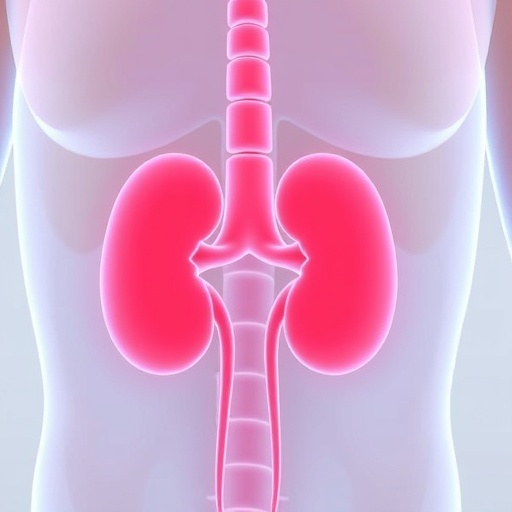
A recent study has shed light on an important yet underexplored area within oncological research: the interaction between dietary patterns, polygenic risk factors, and the incidence of kidney cancer. This groundbreaking investigation, conducted by a team of researchers from the UK and published in the Journal of Translational Medicine, asserts that there are significant links between what we eat, our genetic predispositions, and how likely we are to develop kidney cancer. This nexus between lifestyle choices and genetic factors raises vital questions about disease prevention strategies and personalized health interventions.
Kidney cancer, particularly renal cell carcinoma, has been on the rise in recent years, making it a growing concern for health professionals around the globe. With its multifaceted etiology that includes environmental, lifestyle, and genetic components, understanding the role of diet in mitigating risk could prove pivotal for public health initiatives. The UK Biobank cohort, which provides rich data on the lifestyle and genetics of half a million individuals, served as the foundation for this extensive research endeavor.
The researchers set out to categorize dietary patterns among participants, using an array of data points relating to food intake. Their work involved complex statistical methodologies designed to quantify dietary habits into discernible patterns. These included high fruit and vegetable consumption, processed foods, and red meat intake. Through this categorization, they aimed to identify distinct dietary profiles that could correlate with increased or decreased risks of kidney cancer.
Interestingly, the interplay of genetics in this study comes from the analysis of polygenic risk scores—a tool that aggregates the influence of multiple genetic variants known to be associated with cancer susceptibility. By merging this genetic data with dietary patterns, the research team intended to unveil how certain diets could modulate cancer risk in genetically predisposed individuals. This dual approach, combining both environmental and genetic factors, sets a new paradigm in cancer epidemiology.
In their findings, the researchers reported nuanced associations between specific dietary patterns and kidney cancer risk. Notably, individuals adhering to a diet low in processed foods and rich in fruits and vegetables exhibited significantly lower incidence rates of the disease, particularly when these patterns were coupled with a lower polygenic risk score. This suggests a potential protective role of diet against kidney cancer among those not genetically predisposed to the illness.
Moreover, the implications of these findings can extend to clinical guidelines aimed at cancer prevention. If diet can significantly influence the risk of developing kidney cancer, it opens doors for dietary intervention programs aimed at at-risk populations. The researchers emphasize the importance of tailored dietary recommendations that take into account an individual’s genetic makeup, empowering patients to take charge of their health proactively.
In light of these advancements, the study also addresses the limitations inherent within such research. While the UK Biobank provides a robust dataset, participants are predominantly of European ancestry, which raises concerns around the generalizability of the findings. As such, additional studies are warranted to validate these associations across diverse populations and to explore the biological mechanisms linking diet, genes, and kidney cancer development.
The integration of these insights is vital for advancing our understanding of cancer prevention strategies. As the world grapples with rising cancer rates, especially among various demographics, shifting focus toward diet and genetics represents a promising direction in oncology research. In the long term, understanding how aspects of daily living interact with our genetic dispositions could lead to innovative, targeted therapies and preventive measures that cater specifically to individuals’ unique profiles.
As we reflect on this research, it becomes essential to consider the broader context of lifestyle medicine. With mounting evidence indicating that diet impacts not only cancer but also a range of chronic diseases, it becomes incumbent upon healthcare systems to prioritize nutrition education and access. Such initiatives can pave the way for healthier communities, capable of fostering disease prevention through informed dietary choices.
Future research will undoubtedly continue to unravel the complexities of diet and genetics in cancer etiology. As scientists delve deeper into the genomic landscape of kidney cancer, ongoing studies like this one will be crucial in identifying key risk factors and potential protective elements. Shifting the narrative around cancer from one of inevitability to one of prevention is not only empowering but necessary in our collective battle against this pervasive disease.
As we anticipate the next wave of findings, it is pivotal that individuals remain engaged with their dietary choices. Small changes can make significant impacts—highlighting the importance of lifelong nutrition awareness. This research provides not only scientific insight but also a call to action, urging us all to evaluate the food choices we make on a daily basis.
In conclusion, this study from the UK Biobank represents a converging point for dietary recommendations and genetic risk assessment in kidney cancer prevention. As we move forward, integrating personalized dietary guidelines into cancer care models could enhance protective health measures and stimulate further research into this promising field. The future of kidney cancer prevention may indeed lie in the food we choose to eat.
Subject of Research: Dietary patterns and polygenic risk factors in relation to kidney cancer incidence.
Article Title: Dietary patterns, polygenic risk, and kidney cancer incidence: a UK Biobank cohort study.
Article References:
Zou, M., Deng, R., Qiu, J. et al. Dietary patterns, polygenic risk, and kidney cancer incidence: a UK Biobank cohort study.
J Transl Med 23, 1318 (2025). https://doi.org/10.1186/s12967-025-07373-7
Image Credits: AI Generated
DOI: https://doi.org/10.1186/s12967-025-07373-7
Keywords: Kidney cancer, dietary patterns, polygenic risk, cancer incidence, UK Biobank, nutritional epidemiology, cancer prevention.
Tags: dietary patterns and kidney cancer riskdisease prevention through dietary habitsenvironmental factors affecting kidney cancergenetics and cancer prevention strategiesmultifaceted etiology of kidney canceroncological research on diet and geneticspersonalized health interventions for cancer riskpolygenic risk factors in kidney cancerpublic health interventions for kidney cancerrenal cell carcinoma and lifestyle choicesstatistical methodologies in dietary researchUK Biobank research on diet and health