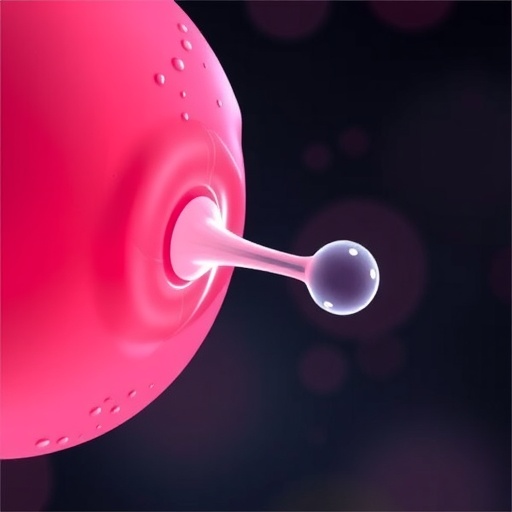
In recent years, the field of reproductive medicine has witnessed remarkable advancements, particularly in techniques intended to enhance the efficiency of assisted reproductive technologies (ART). Among these innovative approaches, a groundbreaking study conducted by Liu, S., Wang, H., Li, M., and colleagues introduces an intriguing method termed “micro-rubbing sperm immobilization.” This technique has the potential to significantly improve fertilization rates and oocyte utilization during the process of intracytoplasmic sperm injection (ICSI), a prevalent ART procedure used to address various forms of male infertility.
Intracytoplasmic sperm injection is a specialized procedure in which a single sperm cell is injected directly into an oocyte, facilitating fertilization in cases where traditional insemination methods may fail. However, for ICSI to be successful, optimal interaction between the sperm and the oocyte is crucial. The standard procedure traditionally involves the selection of motile and morphologically normal sperm; nonetheless, researchers have sought to enhance the efficacy of this process through innovative methodologies like the one proposed by Liu and colleagues.
The concept of micro-rubbing is rooted in the premise of immobilizing sperm in a controlled environment, which theoretically augments their interaction with oocytes. By applying a precision-engineered micro-rubbing technique, researchers have constructed a platform that facilitates sperm immobilization while also promoting the sperm’s preparedness for fertilization. The micro-rubbing process involves utilizing micro-patterned surfaces that promote the adhesion of sperm and provide a micro-environment conducive to inducing capacitation, a critical step in the fertilization process.
One particularly salient finding of Liu et al.’s research is that allowing sperm to remain immobilized in a controlled setting can mitigate the detrimental effects of excessive motility, which sometimes detracts from their ability to effectively penetrate the zona pellucida—the outer protective layer of the oocyte. In traditional settings, overly motile sperm may struggle to attain the optimal positioning necessary for successful fertilization. By contrast, the micro-rubbing method ensures a more targeted and efficient delivery of sperm to the oocyte.
Numerous experiments conducted as part of this study reveal that the micro-rubbing sperm immobilization technique results in a higher fertilization rate compared to traditional ICSI methods. Liu’s team meticulously documented the outcomes of various trials, demonstrating not only increased fertilization rates but also enhanced oocyte utilization, ultimately leading to higher embryo quality. This could potentially result in improved clinical outcomes for couples undergoing fertility treatments who have previously faced challenges with conventional ICSI methods.
Moreover, the implications of this study cannot be overstated, especially given the rising prevalence of infertility globally. The introduction of such an innovative approach aligns with ongoing efforts to refine and tailor ART protocols to individual patient needs, increasing the likelihood of successful pregnancies and live births. The strategic application of the micro-rubbing sperm immobilization technique may alter the landscape of reproductive medicine, offering hope to an ever-growing number of patients seeking assistance in conceiving.
It is essential to appreciate the comprehensive nature of the research conducted by Liu and his team. Their approach involved not only laboratory trials but also a multidisciplinary strategy that combined insights from bioengineering, reproductive biology, and clinical expertise. This integration underscores the importance of innovation in the medical field, especially when addressing complex biological challenges.
As the scientific community delves deeper into the mechanisms underlying the efficacy of this micro-rubbing technique, further research will be necessary to optimize its integration into clinical practice. Potential explorations could encompass the long-term outcomes associated with using this method, as well as its relevance across diverse patient demographics, including those with varying causes of infertility, age groups, and health conditions.
In conclusion, the pioneering research conducted by Liu, Wang, Li, and their collaborators marks a substantial advancement in the field of reproductive technology. The micro-rubbing sperm immobilization strategy presents a promising avenue for improving fertilization rates and maximizing oocyte utilization during ICSI, offering renewed hope to couples facing infertility challenges. Further investigation into this technique will be paramount as researchers aim to translate these exciting laboratory findings into practical applications that can enhance the efficacy and success of assisted reproductive treatments worldwide.
As awareness of this innovative approach spreads, it may spark increased interest and future studies within the field. The potential for improved ART outcomes resonates with many, encouraging ongoing exploration in reproductive healthcare. As researchers continue to build upon these findings, the future of reproductive medicine appears brighter than ever, with promising advancements on the horizon to help couples achieve their dreams of parenthood.
Subject of Research: Micro-rubbing sperm immobilization and its impact on fertilization rates and oocyte utilization during intracytoplasmic sperm injection.
Article Title: Micro-rubbing sperm immobilization promotes fertilization and oocyte utilization in intracytoplasmic sperm injection.
Article References: Liu, S., Wang, H., Li, M. et al. Micro-rubbing sperm immobilization promotes fertilization and oocyte utilization in intracytoplasmic sperm injection. J Ovarian Res 18, 245 (2025). https://doi.org/10.1186/s13048-025-01829-6
Image Credits: AI Generated
DOI: https://doi.org/10.1186/s13048-025-01829-6
Keywords: Micro-rubbing, sperm immobilization, fertilization, oocyte utilization, intracytoplasmic sperm injection, assisted reproductive technology, reproductive medicine.
Tags: ART procedure advancementsassisted reproductive technologies advancementsenhancing sperm fertilization efficiencyinnovative reproductive medicine methodsintracytoplasmic sperm injection techniquesmale infertility treatmentsmicro-rubbing sperm immobilizationoocyte utilization enhancementoptimizing ICSI fertilization ratesprecision-engineered reproductive techniquessperm selection methodssperm-oocyte interaction improvement