• HOME
  • NEWS
  • EXPLORE
    • CAREER
      • Companies
      • Jobs
    • EVENTS
    • iGEM
      • News
      • Team
    • PHOTOS
    • VIDEO
    • WIKI
  • BLOG
  • COMMUNITY
    • FACEBOOK
    • INSTAGRAM
    • TWITTER
Thursday, May 21, 2026
BIOENGINEER.ORG
No Result
View All Result
  • Login
  • HOME
  • NEWS
  • EXPLORE
    • CAREER
      • Companies
      • Jobs
        • Lecturer
        • PhD Studentship
        • Postdoc
        • Research Assistant
    • EVENTS
    • iGEM
      • News
      • Team
    • PHOTOS
    • VIDEO
    • WIKI
  • BLOG
  • COMMUNITY
    • FACEBOOK
    • INSTAGRAM
    • TWITTER
  • HOME
  • NEWS
  • EXPLORE
    • CAREER
      • Companies
      • Jobs
        • Lecturer
        • PhD Studentship
        • Postdoc
        • Research Assistant
    • EVENTS
    • iGEM
      • News
      • Team
    • PHOTOS
    • VIDEO
    • WIKI
  • BLOG
  • COMMUNITY
    • FACEBOOK
    • INSTAGRAM
    • TWITTER
No Result
View All Result
Bioengineer.org
No Result
View All Result
Home NEWS Science News Stem Cells

A new way to induce pluripotency

Bioengineer by Bioengineer
February 1, 2014
in Stem Cells
Reading Time: 2 mins read
0
Share on FacebookShare on TwitterShare on LinkedinShare on RedditShare on Telegram

An unusual reprogramming phenomenon by which the fate of somatic cells can be drastically altered through changes to the external environment is described in two papers in this week’s Nature.
A new way to induce pluripotency

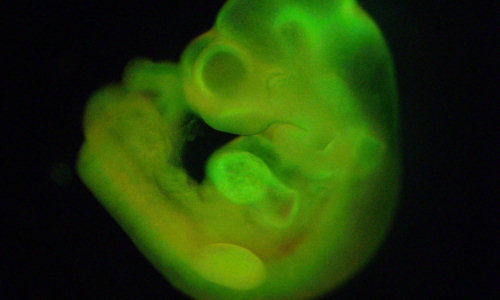
Postnatal somatic cells committed to a specific lineage are shown to be converted into a pluripotent state (capable of differentiating into nearly all cell types) when exposed to an environmental stress, in this case short exposure to low pH. This reprogramming process does not need nuclear manipulation or the introduction of transcription factors — thought to be necessary to induce pluripotency — so the work may have important implications for regenerative medicine.

Reprogramming in response to environmental stress has been observed in plants, whereby mature cells can become immature cells capable of forming a whole new plant structure, including roots and stalks. Whether animal cells have a similar potential has been a challenging question, but one that Haruko Obokata and co-authors have addressed. They demonstrate that mammalian somatic cells can be reprogrammed when stressed by low-pH conditions, and call the phenomenon stimulus-triggered acquisition of pluripotency (STAP).

So-called STAP cells have some characteristics that resemble embryonic stem cells, but the STAP cells only have a limited capacity for self-renewal. In a second paper, Obokata and colleagues investigate the nature of STAP cells and suggest that they represent a unique state of pluripotency. The researchers also demonstrate that under pluripotent stem-cell culture conditions STAP cells can be transformed into robustly self-renewing stem cells, similar to embryonic stem cells.

Together, these findings reveal that cells in the body have the potential to become pluripotent and provide new insights into the diverse cellular states.

Story Source:

The above story is based on materials provided by Nature Publishing Group via researchsea.
Share14Tweet9Share2ShareShareShare2

Related Posts

Human stem cells treat spinal cord injury side effects in mice

October 4, 2016

Research into fly development provides insights into blood vessel formation

September 30, 2016

Fertility genes required for sperm stem cells

September 28, 2016

Regulatory RNA essential to DNA damage response

September 27, 2016
Please login to join discussion

POPULAR NEWS

  • blank

    New Study Reveals Plants Can Detect the Sound of Rain

    733 shares
    Share 292 Tweet 183
  • ESMO 2025: mRNA COVID Vaccines Enhance Efficacy of Cancer Immunotherapy

    301 shares
    Share 120 Tweet 75
  • Research Indicates Potential Connection Between Prenatal Medication Exposure and Elevated Autism Risk

    846 shares
    Share 338 Tweet 212
  • Breastmilk Balances E. coli and Beneficial Bacteria in Infant Gut Microbiomes

    58 shares
    Share 23 Tweet 15

About

We bring you the latest biotechnology news from best research centers and universities around the world. Check our website.

Follow us

Recent News

Study Finds Reusable Catheters a Safe Option That Could Save the NHS Millions

Primate Frontal Cortex Encodes Action Symbols

Mitochondrial l-2-Hydroxyglutarate Signals Cellular Metabolism

Subscribe to Blog via Email

Enter your email address to subscribe to this blog and receive notifications of new posts by email.

Join 82 other subscribers
  • Contact Us

Bioengineer.org © Copyright 2023 All Rights Reserved.

Welcome Back!

Login to your account below

Forgotten Password?

Retrieve your password

Please enter your username or email address to reset your password.

Log In
No Result
View All Result
  • Homepages
    • Home Page 1
    • Home Page 2
  • News
  • National
  • Business
  • Health
  • Lifestyle
  • Science

Bioengineer.org © Copyright 2023 All Rights Reserved.