• HOME
  • NEWS
  • EXPLORE
    • CAREER
      • Companies
      • Jobs
    • EVENTS
    • iGEM
      • News
      • Team
    • PHOTOS
    • VIDEO
    • WIKI
  • BLOG
  • COMMUNITY
    • FACEBOOK
    • INSTAGRAM
    • TWITTER
Saturday, February 7, 2026
BIOENGINEER.ORG
No Result
View All Result
  • Login
  • HOME
  • NEWS
  • EXPLORE
    • CAREER
      • Companies
      • Jobs
        • Lecturer
        • PhD Studentship
        • Postdoc
        • Research Assistant
    • EVENTS
    • iGEM
      • News
      • Team
    • PHOTOS
    • VIDEO
    • WIKI
  • BLOG
  • COMMUNITY
    • FACEBOOK
    • INSTAGRAM
    • TWITTER
  • HOME
  • NEWS
  • EXPLORE
    • CAREER
      • Companies
      • Jobs
        • Lecturer
        • PhD Studentship
        • Postdoc
        • Research Assistant
    • EVENTS
    • iGEM
      • News
      • Team
    • PHOTOS
    • VIDEO
    • WIKI
  • BLOG
  • COMMUNITY
    • FACEBOOK
    • INSTAGRAM
    • TWITTER
No Result
View All Result
Bioengineer.org
No Result
View All Result
Home NEWS Science News

Are wolves becoming domesticated again?

Bioengineer by Bioengineer
April 12, 2017
in Science News
Reading Time: 1 min read
0
Share on FacebookShare on TwitterShare on LinkedinShare on RedditShare on Telegram
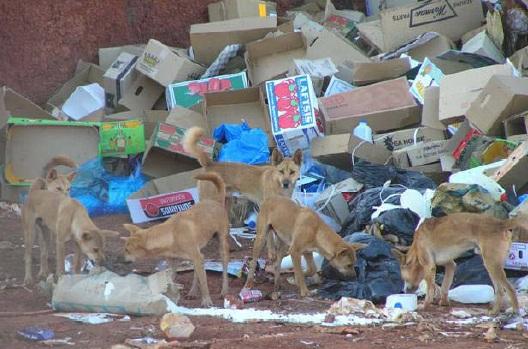
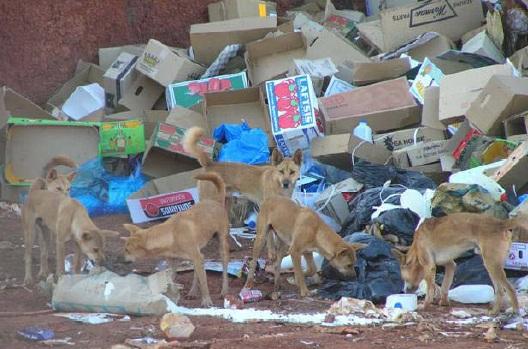
IMAGE

Credit: Unknown, American Institute of Biological Sciences

The BioScience Talks podcast features discussions of topical issues related to the biological sciences.

On landscapes around the world, environmental change is bringing people and large carnivores together–but the union is not without its problems. Human-wildlife conflict is on the rise as development continues unabated and apex predators begin to reoccupy their former ranges. Further complicating matters, many of these species are now reliant on human-provided foods, such as livestock and trash.

For this episode of BioScience Talks, we're joined by Dr. Thomas Newsome of Deakin University and the University of Sydney. Writing in BioScience, Newsome and his colleagues use gray wolves and other large predators as case studies to explore the effects of human-provided foods. They find numerous instances of species' changing their social structures, movements, and behavior when these resources are available. Perhaps most concerning, they've found that human-fed populations often form distinct genetic subgroups, which could lead to future speciation events.

To hear the whole discussion, visit this link for this latest episode of the BioScience Talks podcast.

###

Media Contact

James Verdier
[email protected]
205-286-8626
@AIBSbiology

http://www.aibs.org

############

Story Source: Materials provided by Scienmag

Share12Tweet8Share2ShareShareShare2

Related Posts

Menopause Care: Insights from Workforce Review and Consultation

February 7, 2026

LRRK2R1627P Mutation Boosts Gut Inflammation, α-Synuclein

February 7, 2026

3D Gut-Brain-Vascular Model Reveals Disease Links

February 7, 2026

Low-Inflammation in Elderly UTIs: Risks and Resistance

February 7, 2026
Please login to join discussion

POPULAR NEWS

  • Robotic Ureteral Reconstruction: A Novel Approach

    Robotic Ureteral Reconstruction: A Novel Approach

    82 shares
    Share 33 Tweet 21
  • Digital Privacy: Health Data Control in Incarceration

    63 shares
    Share 25 Tweet 16
  • Study Reveals Lipid Accumulation in ME/CFS Cells

    57 shares
    Share 23 Tweet 14
  • Breakthrough in RNA Research Accelerates Medical Innovations Timeline

    53 shares
    Share 21 Tweet 13

About

We bring you the latest biotechnology news from best research centers and universities around the world. Check our website.

Follow us

Recent News

Menopause Care: Insights from Workforce Review and Consultation

LRRK2R1627P Mutation Boosts Gut Inflammation, α-Synuclein

3D Gut-Brain-Vascular Model Reveals Disease Links

Subscribe to Blog via Email

Enter your email address to subscribe to this blog and receive notifications of new posts by email.

Join 73 other subscribers
  • Contact Us

Bioengineer.org © Copyright 2023 All Rights Reserved.

Welcome Back!

Login to your account below

Forgotten Password?

Retrieve your password

Please enter your username or email address to reset your password.

Log In
No Result
View All Result
  • Homepages
    • Home Page 1
    • Home Page 2
  • News
  • National
  • Business
  • Health
  • Lifestyle
  • Science

Bioengineer.org © Copyright 2023 All Rights Reserved.