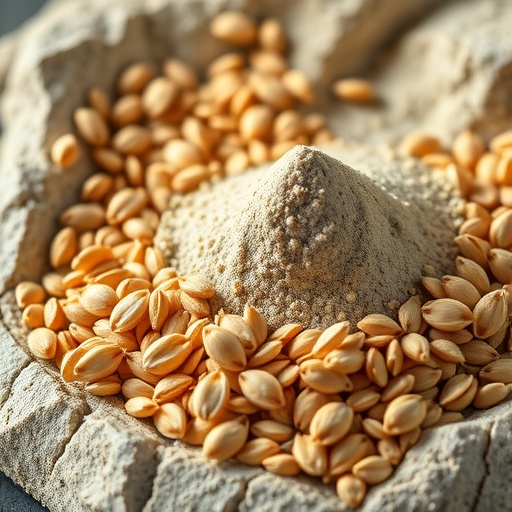
In a remarkable advancement in the field of sustainable energy production, researchers led by Duman, S., Issever, F., and Varolgunes, S. have unveiled a novel approach to catalyzing the hydrogen release reaction from dimethylamine-borane (DMAB) hydrolysis using oilseed shells as an alternative to conventional cement-based copper nanoparticles. This pioneering study, published in Waste Biomass Valor, represents a significant step forward in the quest for eco-friendly and efficient hydrogen generation, marking an intersection of waste valorization and energy sustainability.
The global energy landscape is transitioning towards greener alternatives, with hydrogen being heralded as a crucial player in renewable energy systems. Hydrogen, when produced through sustainable means, can serve as a clean fuel source, effectively powering vehicles and contributing to zero-emission goals. However, the catalyst choices for hydrogen release reactions have largely remained centered around metal nanoparticles, which can pose environmental burdens due to their production and disposal processes. The introduction of oilseed shells as viable catalysts not only reduces these burdens but also champions a circular economy approach.
Oilseed shells, generated as agricultural waste during the processing of oilseeds, have been largely overlooked as potential catalytic materials. In their innovative research, the authors thoroughly investigated the physicochemical properties of various oilseed shells, assessing their structural viability and catalytic activity. The findings suggest that these shells possess unique structural characteristics that enhance their effectiveness in facilitating the DMAB hydrolysis reaction, presenting a dual opportunity for waste management and energy production.
The challenge of utilizing DMAB lies in the efficient release of hydrogen. Traditional catalysts, often limited by their reusability and activity, necessitate a constant supply of fresh materials, leading to increased costs and environmental impact. However, Duman and colleagues demonstrated that oilseed shells, when treated appropriately, can serve as effective catalysts with comparable efficiency to their metal-based counterparts. The study meticulously outlines the process of activation of these shells, which is essential for catalyzing the hydrolysis reaction effectively.
One of the standout features of the research is the method of preparation for these oilseed shell-based catalysts. The authors employed a rigorous methodology that included heat treatment and chemical activation, enhancing the catalytic surfaces of the shells. This treatment not only promotes better interaction with DMAB but also significantly boosts hydrogen release rates, showcasing the potential of agricultural waste in energy applications.
The implications of this research extend far beyond laboratory results. By employing oilseed shells, a plentiful waste material, the authors have opened avenues for large-scale applications in hydrogen production. The use of such bio-waste not only alleviates the burden on landfills but also provides farmers and communities with a potential revenue stream from agricultural by-products. This transformation of waste into valuable resources aligns perfectly with sustainable development goals.
The authors also tackled the issue of environmental sustainability head-on. The effects of utilizing oilseed shells as catalytic agents suggest a lower carbon footprint relative to conventional catalysts. This shift could signify a broader movement within the scientific community towards integrating waste materials into energy systems, fundamentally altering perceptions regarding waste and resource use in catalysis.
Additionally, the research brings to light the potential scalability of oilseed-based catalysts for hydrogen production. The simplicity of sourcing oilseed shells makes this approach attractive for industrial applications. It enables broader accessibility to efficient hydrogen production technologies, particularly in regions with abundant agricultural activity. By fostering local resource utilization, the study presents practical solutions that are critical amidst increasing global energy demands.
Furthermore, this breakthrough raises important questions about future research directions. The effective integration of phytocatalysts, such as those developed from oilseed shells, into existing energy frameworks could pave the way for innovative hybrid systems that deliver cleaner, more sustainable energy solutions. The exploration of multifaceted applications—ranging from hydrogen production to broader roles in green chemistry—could redefine the catalysts’ landscape dramatically.
As the scientific community continues to explore innovative solutions to combat climate change, this study serves as a beacon of hope. The integration of waste materials into catalysis emphasizes a proactive lens toward resource management and environmental stewardship, aligning technological advancements with ecological responsibility. Researchers are called upon to build upon this work, possibly exploring not only other agricultural residues but also incorporating biopolymers and biocomposites in the effort to advance catalyst technology further.
In summation, the groundbreaking research led by Duman and his colleagues underscores a significant stride in sustainable hydrogen production, integrating the principles of waste valorization with cutting-edge catalytic technologies. As renewable energy initiatives gain momentum, studies like this will be vital in pushing the boundaries of what’s possible, establishing new paradigms in both research and real-world applications.
The future of energy generation could, therefore, hinge upon the very materials that were once regarded as waste—a testament to the innovative spirit that drives scientific inquiry and the relentless quest for sustainability in our ever-evolving world.
Through this research, we are reminded of the power of nature and the ingenuity of human creativity to transform universal challenges into attainable solutions. As we look ahead, the use of oilseed shells as catalysts is just one of many potential pathways that could lead to a sustainable and prosperous future.
Innovative catalysts like these demonstrate that the intersection of agricultural waste and energy production can yield extraordinary, transformative outcomes, fostering a new wave of scientific exploration that prioritizes ecological integrity alongside technological advancement.
Subject of Research: Sustainable hydrogen production through oilseed shell-based catalysts.
Article Title: Oilseed Shells Replaced Cement-Based Copper Nanoparticles as Phytocatalyst for Hydrogen Release Reaction from Dimethylamine-Borane Hydrolysis.
Article References:
Duman, S., Issever, F. & Varolgunes, S. Oilseed Shells Replaced Cement-Based Copper Nanoparticles as Phytocatalyst for Hydrogen Release Reaction from Dimethylamine-Borane Hydrolysis.
Waste Biomass Valor (2025). https://doi.org/10.1007/s12649-025-03348-3
Image Credits: AI Generated
DOI: 10.1007/s12649-025-03348-3
Keywords: Hydrogen production, oilseed shells, sustainable energy, catalysts, dimethylamine-borane, agricultural waste, phytocatalysts, waste valorization.
Tags: agricultural waste utilizationcircular economy in hydrogen generationcopper nanoparticles alternativesdimethylamine-borane hydrolysiseco-friendly energy solutionsenergy sustainability researchenvironmentally friendly catalystshydrogen release reactionoilseed shells as catalystsrenewable energy advancementssustainable hydrogen productionwaste valorization in energy