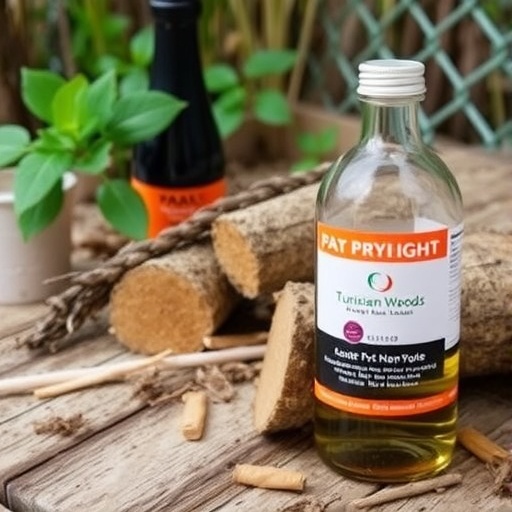
A groundbreaking study has recently highlighted the remarkable potential of pyrolysis liquid derived from the carbonization of five distinct wood species indigenous to Tunisia. This innovative research, focused on the antifungal and anti-termite properties of the produced liquid, serves as a significant advancement in the pursuit of sustainable eco-friendly alternatives to conventional pest control methods. Emerging from the meticulous work of Elaieb et al., this investigation not only underscores the chemical complexity of the pyrolytic products but also opens avenues for novel applications in bio-based materials and agricultural practices.
The research team meticulously examined five widely available wood species from Tunisian forests: Eucalyptus, Pine, Acacia, Olive, and Date Palm. Each species was subjected to pyrolysis, a thermal decomposition process occurring in the absence of oxygen, resulting in the formation of a variety of bio-oils that possess unique chemical signatures. These bio-oils, rich in phenolic compounds and other volatile organic constituents, have garnered attention for their antifungal and insecticidal properties, which could potentially pave the way for new eco-friendly formulations in pest management.
Prior studies have established that the ecological impact of chemical pesticides is detrimental, leading to the decline of biodiversity and the emergence of resistant pest strains. The quest for sustainable alternatives has fueled research into plant-based biocontrol agents that are both effective and environmentally benign. Elaieb et al.’s findings contribute significantly to this field by demonstrating the effective antifungal and anti-termite activities of the pyrolysis-derived bio-oils.
In the laboratory phase of their study, the researchers conducted a series of antifungal tests against common fungal pathogens that threaten various crops. The bio-oils extracted from the carbonized wood revealed significant inhibition against several fungal strains, indicating that these materials could be transformed into effective fungicides. The team’s assessments employed rigorous methodologies, including minimum inhibitory concentration (MIC) tests, to quantify the antifungal capabilities of each bio-oil.
Furthermore, the anti-termite efficacy of the pyrolysis liquids was evaluated through bioassays that focused on both preventing termite feeding and inducing mortality in exposed colonies. The results were compelling; certain wood species produced bio-oils that effectively deterred termite activity. This potential for pest control utilizing natural byproducts from wood species emphasizes the viability of integrating agroforestry practices with waste valorization strategies.
The chemical characterization of the pyrolysis liquids revealed a wealth of bioactive compounds, primarily derived from lignin and hemicellulose breakdown. Phenolic compounds, known for their antimicrobial properties, were prevalent in the bio-oils, suggesting that such compounds could play a crucial role in the observed antifungal and anti-termite activities. Employing advanced analytical techniques like gas chromatography-mass spectrometry (GC-MS), the researchers elucidated the intricate profiles of these compounds, showcasing the diverse range that varies with each wood type.
This study stands as a testament to the adaptability of Tunisian forestry resources, demonstrating that a myriad of wood species can be transformed into valuable bioproducts. As the global community grapples with the adverse effects of chemical pesticides, the findings provide a promising pathway toward enhancing food security through sustainable practices. The potential utilization of pyrolysis liquids not only aids in pest control but could also facilitate the development of bio-based fertilizers and soil conditioners that contribute to overall soil health.
In addition to environmental advantages, the economic implications of such innovations cannot be overlooked. As industries seek to mitigate risks associated with chemical inputs, the adoption of biocontrol solutions derived from local resources provides a dual benefit: minimizing environmental contamination while fostering local economies centered around sustainable forestry practices. Community engagement in producing and utilizing these natural products can be instrumental in creating a circular economy framework.
Moreover, the versatility of the study’s approach extends beyond immediate pest control applications. The insights gained may inspire further research into other bioactive applications, such as the development of antimicrobial coatings for agricultural tools or packaging. The cross-disciplinary engagement of botany, chemistry, and environmental science revealed through this research underscores a collaborative approach to solving real-world issues in agriculture and conservation.
Ultimately, the work of Elaieb and his colleagues signifies a vital movement towards a comprehensive understanding of bio-waste valorization and its implications for agriculture. Their findings resonate with the broader themes of sustainability and ecological resilience as the world strives to address the challenges posed by climate change and resource depletion. Emphasizing an integrated management approach is essential for leveraging the benefits of natural products and fostering a sustainable future.
As this research gains traction, it inspires a burgeoning interest in biopesticides and emphasizes the necessity of developing rigorous regulatory frameworks that can adequately assess and promote these natural alternatives. Steps forward will require engaging policymakers, industry stakeholders, and researchers to ensure safe and effective deployment of biocontrol agents derived from natural sources.
The urgency to transform agricultural practices to be more in harmony with nature is clearer than ever, and research such as this shines a light on viable pathways to achieve this goal. By promoting the use of natural, locally sourced products, we can protect ecosystems while ensuring food security and agricultural sustainability well into the future.
In a world increasingly aware of the consequences of human actions on the environment, studies like these are critical. They bridge the gap between traditional agricultural practices and innovative, sustainable approaches. There’s a palpable sense of optimism surrounding the adoption of such practices, as they not only promise enhanced ecological balance but also align with the global drive towards the sustainable development goals.
This research is a call to action for scientists, farmers, and consumers alike. It is an invitation to consider the untapped potential present in our natural surroundings and to rethink how we approach pest management in our agricultural systems. The innovative work of Elaieb et al. represents one of many steps towards a future where effective pest control does not come at the expense of our environment but works in tandem with it to foster a thriving, sustainable world.
Subject of Research: Antifungal and anti-termite activities of pyrolysis liquid from Tunisian wood species.
Article Title: Antifungal and Anti-Termite Activities Relating to Chemical Composition of Pyrolysis Liquid from Carbonization of Five Tunisian Wood Species.
Article References:
Elaieb, M.T., Valette, J., Kiény, E. et al. Antifungal and Anti-Termite Activities Relating to Chemical Composition of Pyrolysis Liquid from Carbonization of Five Tunisian Wood Species.
Waste Biomass Valor (2025). https://doi.org/10.1007/s12649-025-03343-8
Image Credits: AI Generated
DOI:
Keywords: Pyrolysis liquid, antifungal properties, anti-termite activities, sustainable pest control, bioactive compounds.
Tags: agricultural practices with bio-oilsanti-termite solutions from wood speciesantifungal properties of bio-oilsbio-based materials researchchemical complexity of pyrolytic productseco-friendly pest management strategiesecological impact of chemical pesticidesEucalyptus Pine Acacia Olive Date Palm pyrolysisinnovative applications of pyrolysis in agriculturepyrolysis liquid from Tunisian woodssustainable pest control alternativesvolatile organic compounds in pest control