In a groundbreaking study published in 2025, researchers have unveiled a compelling link between necroptosis—a form of programmed cell death—and the generation of soluble tissue factor (TF), casting new light on the enigmatic mechanisms driving thrombosis. This discovery not only deepens our understanding of coagulation and vascular pathology but also opens potential therapeutic avenues for preventing life-threatening thrombotic events associated with various diseases.
Tissue factor has long been recognized as the primary initiator of the coagulation cascade, triggering blood clot formation upon vascular injury. Traditionally, TF was believed to be a membrane-bound protein localized primarily to subendothelial cells and certain circulating cells, remaining inert unless exposed to blood components. The novel insight from this study challenges this classical view by elucidating the cellular processes that lead to the shedding of soluble TF into circulation—specifically spotlighting necroptosis as a pivotal driver.
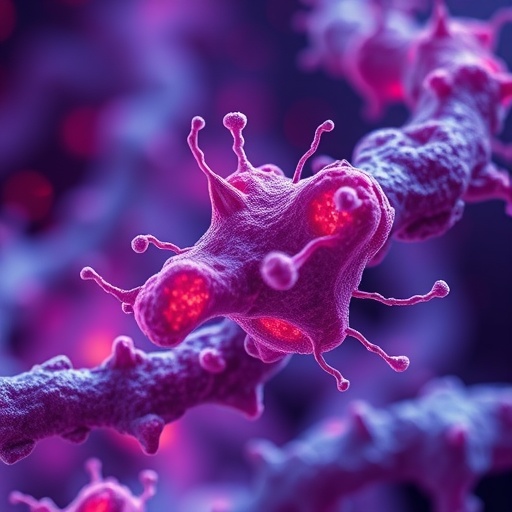
Necroptosis is a regulated form of inflammatory cell death characterized by cellular swelling, membrane rupture, and release of intracellular components, differentiating it fundamentally from apoptosis. While this form of death has been implicated in various pathological conditions including ischemia-reperfusion injury, neurodegenerative disorders, and infections, its direct relationship with coagulation factors was previously obscure. The current research provides compelling biochemical and molecular evidence that necroptosis triggers the shedding of TF from the cell surface into a soluble form capable of promoting thrombosis.
By employing a combination of in vitro cell culture systems, advanced proteomics, and in vivo thrombosis models, the authors meticulously delineated the mechanistic pathway leading from necroptotic signaling to TF release. They observed that activation of receptor-interacting protein kinases (RIPK1 and RIPK3), core components of the necroptotic machinery, initiates a cascade resulting in the disruption of cellular membranes and the liberation of TF-containing microparticles and soluble TF fragments into the bloodstream. These soluble forms retain potent procoagulant activity, thereby significantly contributing to pathological clot formation.
Critically, the study expands on the physiological and pathological relevance of necroptosis-induced TF shedding by demonstrating that this process is not merely a biochemical curiosity but directly correlates with increased thrombotic events in animal models. Experimental inhibition of necroptotic pathways, through genetic ablation or pharmacological agents, markedly reduced TF levels in circulation and conferred protection against thrombosis, thereby validating the causative role
Tags: biochemical evidence in coagulation studiescellular processes in coagulationischemia-reperfusion injury researchmembrane-bound tissue factor functionsnecroptosis and inflammatory cell deathnecroptosis and thrombosisneurodegenerative disorders and coagulationprogrammed cell death mechanismsshedding of soluble tissue factorsoluble tissue factor in coagulationtherapeutic avenues for thrombotic eventsvascular pathology and thrombosis