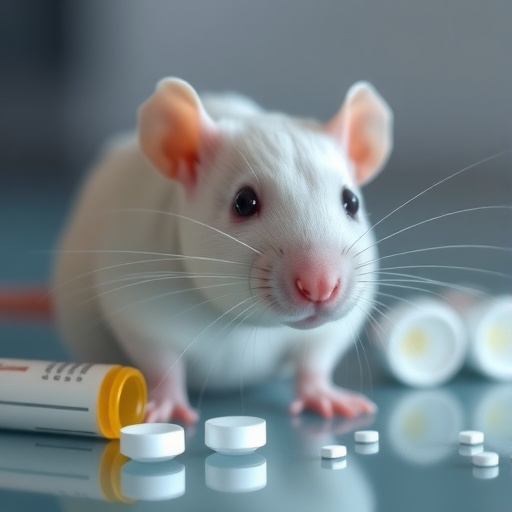
A commonly prescribed medication for type 2 diabetes and obesity, semaglutide, is showing remarkable promise as a potential therapeutic agent for cocaine addiction, according to a groundbreaking study conducted by researchers at the University of Gothenburg in Sweden. This discovery could herald a new frontier in addiction medicine, providing hope for millions battling cocaine dependency worldwide. The research, published in the journal European Neuropsychopharmacology, uncovers compelling evidence that semaglutide significantly diminishes cocaine-taking behaviors, relapse, and even the motivational drive to seek the drug in preclinical animal models.
Semaglutide belongs to a class of drugs known as glucagon-like peptide-1 (GLP-1) receptor agonists. These medications are well-regarded for their ability to enhance glucose control and assist in weight loss by mimicking the effects of incretin hormones that regulate appetite and insulin secretion. While the metabolic benefits of semaglutide are well-established and widely exploited in clinical practice, its influence on brain reward pathways has sparked intense scientific curiosity. The current study probes the understudied neuropharmacological actions of semaglutide within the context of addiction neurobiology, with focus on its effects on dopaminergic signaling.
The research team utilized rats trained to self-administer cocaine, a standard and rigorous experimental paradigm that closely models human addiction behaviors. Their data reveal that semaglutide treatment yielded a substantial reduction in cocaine intake, decreasing use by approximately 26 percent. Additionally, relapse-like behaviors plummeted by an impressive 62 percent following cessation, while the inherent motivation of the subjects to seek cocaine dropped by over half (52 percent). These figures not only indicate a robust attenuation of addictive behaviors but also suggest a multifaceted mechanism at play.
Dopamine, a central neurotransmitter implicated in reward and reinforcement, is known to surge following cocaine exposure, provoking the intense euphoria that fuels addiction. Researchers hypothesize that semaglutide’s modulation of GLP-1 receptors indirectly dampens this dopaminergic hyperactivation in critical brain regions such as the nucleus accumbens. This nucleus is a pivotal component of the mesolimbic pathway, often dubbed the brain’s “reward center,” where the reinforcing properties of addictive drugs are mediated. Experimental analyses demonstrated that semaglutide suppressed cocaine-evoked dopamine spikes within the nucleus accumbens, a neural effect likely responsible for the observed behavioral outcomes.
Despite these promising findings, the exact neurobiological cascades triggered by semaglutide remain incompletely understood. GLP-1 receptors are distributed not only in peripheral tissues but also within various brain structures involved in motivation, reward, and satiety. Their activation may influence a complex interplay between hormonal and neurotransmitter systems, including interactions with opioidergic and serotonergic circuits. Elucidating these pathways will be crucial to fully harness semaglutide’s potential as an addiction treatment.
Cajsa Aranäs, the study’s lead author and researcher at the Sahlgrenska Academy of the University of Gothenburg, emphasizes cautious optimism. “Our results provide compelling evidence that an existing and well-tolerated drug can modulate key behaviors underlying cocaine addiction,” she stated. Aranäs highlights the necessity of transitioning from animal studies to well-designed clinical trials to confirm whether semaglutide’s effects translate to human populations struggling with cocaine dependence.
Elisabet Jerlhag, Professor of Pharmacology and principal investigator on the project, underscores the urgent need for pharmacological interventions in cocaine addiction. “Currently, no approved medication exists to help combat this devastating disorder, and relapse rates remain alarmingly high,” Jerlhag remarked. Should clinical validation of semaglutide’s efficacy succeed, it could become the first pharmacological option complementing established psychological therapies and support systems.
Globally, GLP-1 receptor agonists such as semaglutide have revolutionized treatment algorithms for metabolic diseases. Marketed under well-known trade names like Ozempic and Wegovy, their safety profiles and tolerability are well-documented over years of widespread use. This existing clinical familiarity offers an advantageous shortcut in drug repurposing efforts targeting addiction, which traditionally face substantial regulatory and developmental hurdles.
The neuroscience community has long grappled with finding effective, targeted medications for stimulant use disorders, owing to the complex neural adaptations cocaine elicits. Semaglutide’s ability to attenuate dopamine release in reward circuits presents a potential paradigm shift. This approach differs fundamentally from typical pharmacotherapies by addressing not only cravings but also the neurochemical reinforcement that underlies compulsive drug-taking behaviors.
While the findings are a milestone, experts caution that addiction is a multifactorial disease involving genetic, psychological, social, and environmental influences. Pharmacological treatment, though critical, represents only one facet of a comprehensive strategy. Combining semaglutide therapy with cognitive behavioral therapy, contingency management, and community support may yield the best outcomes for patients with cocaine addiction.
In summary, the study conducted at the University of Gothenburg provides compelling preclinical evidence that semaglutide could suppress cocaine consumption and diminish relapse propensity by modulating dopamine levels within the mesolimbic reward pathway. If future clinical trials affirm these results in humans, semaglutide has the potential to become a groundbreaking therapeutic agent against cocaine addiction, a disorder that presently lacks effective medication-based treatments. This research exemplifies the promise of repurposing metabolic drugs to address complex neuropsychiatric challenges, underscoring the importance of interdisciplinary approaches in drug development.
Subject of Research: Animals
Article Title: Semaglutide suppresses cocaine taking, seeking, and cocaine-evoked dopamine levels in the nucleus accumbens
News Publication Date: 10-Jul-2025
Web References:
10.1016/j.euroneuro.2025.07.001
Image Credits: Photo: Johan Wingborg, Elin Lindström
Keywords: semaglutide, cocaine addiction, GLP-1 receptor agonists, dopamine, nucleus accumbens, relapse, pharmacotherapy, substance use disorder, drug repurposing, experimental study
Tags: addiction medicine breakthroughsanimal models of addiction behaviorcocaine consumption reduction in ratsdopamine signaling and addictionglucagon-like peptide-1 receptor agonistsimplications for treating substance use disordersmetabolic effects of semaglutide in addictionneuropharmacology of semaglutidepreclinical studies on drug addictionsemaglutide and cocaine addictiontherapeutic agents for cocaine dependencyUniversity of Gothenburg research findings