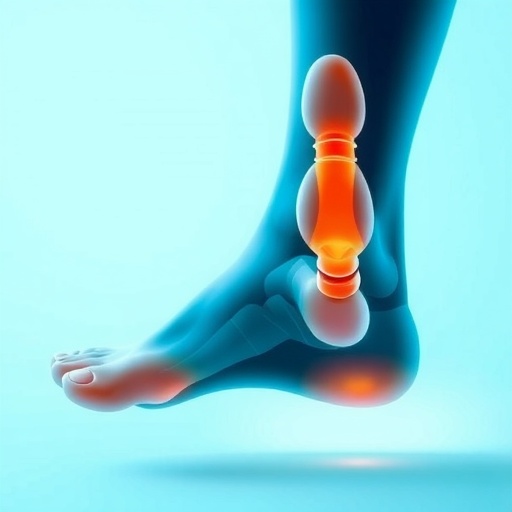
A groundbreaking study published in Genes & Diseases delves deeply into the intricate genetic and molecular landscape of clubfoot, medically referred to as congenital talipes equinovarus (CTEV). Affecting approximately 0.3% of all live births globally, this congenital deformity manifests as a pronounced inward rotation of the foot, often leading to impaired mobility and challenging rehabilitation if diagnosis and intervention are delayed. This comprehensive review synthesizes current understandings of the genetic underpinnings that drive CTEV, epidemiological trends, and the evolving therapeutic approaches aimed at mitigating its long-term impact.
At the heart of the investigation lies the critical role of certain genetic determinants, most notably TBX4 and PITX1, alongside a cluster of HOX genes—including HOXA, HOXC, and HOXD—each exerting pivotal control over limb morphogenesis. These genes orchestrate key developmental processes such as muscle formation and tissue differentiation during embryogenesis. Disturbances within these regulatory circuits are increasingly recognized as contributors to the structural abnormalities seen in CTEV, heralding a paradigm shift from viewing clubfoot solely as a mechanical deformity to acknowledging its profound genetic foundation.
.adsslot_s0qLZv8Iyi{ width:728px !important; height:90px !important; }
@media (max-width:1199px) { .adsslot_s0qLZv8Iyi{ width:468px !important; height:60px !important; } }
@media (max-width:767px) { .adsslot_s0qLZv8Iyi{ width:320px !important; height:50px !important; } }
ADVERTISEMENT
Apoptotic genes, specifically CASP8 and CASP10, also emerge as significant factors influencing limb patterning. These genes regulate programmed cell death, a vital process ensuring proper sculpting of embryonic limb structures. Aberrant expression or function of CASP8 and CASP10 has been implicated in the genesis of skeletal deformities characteristic of clubfoot, suggesting that controlled apoptosis is essential for normal limb architecture. This insight integrates cell death pathways into the broader genetic narrative shaping CTEV pathogenesis.
Further scrutiny underscores the complex interplay among β-catenin signaling pathways within embryonic limb development. Disruption of β-catenin activity does not singularly cause clubfoot but rather contributes to a multifaceted network of genetic anomalies culminating in lower limb malformations. This multifactorial genetic etiology demands nuanced research and a departure from simplistic one-gene causative models, advancing toward systemic understanding of developmental genetics in musculoskeletal abnormalities.
From a clinical perspective, non-surgical interventions remain the cornerstone of managing CTEV, with the Ponseti method reigning as the gold standard worldwide. This technique employs gentle, methodical manipulation combined with serial casting to gradually realign the deformed foot. When soft tissue tightness resists correction, percutaneous Achilles tendon tenotomy is judiciously utilized, significantly enhancing long-term functional outcomes. The method’s success pivots on early diagnosis and rigorous adherence to brace protocols post-correction, mitigating relapse and ensuring sustained foot alignment.
Alternative therapeutic measures are also evaluated, including the French functional method, which prioritizes physiotherapy, taping, and splinting to reshape the foot’s musculature and tendons progressively. While more labor-intensive, this approach is valuable in certain clinical contexts or where casting poses challenges. Surgical options are reserved for refractory cases or severe deformities unresponsive to conservative management, emphasizing individualized patient assessment to optimize outcomes.
The study accentuates the urgency of ongoing genetic research to refine the molecular etiology of clubfoot. Advancements in gene sequencing and functional genomics offer unprecedented insight into the transcriptional networks and signaling pathways active during limb formation. A deeper molecular comprehension promises to revolutionize therapeutic strategies, potentially introducing gene-based interventions or novel pharmaceuticals that modify aberrant signaling cascades, thereby reducing reliance on physical correction and surgery.
Moreover, personalized medicine emerges as a future frontier in clubfoot treatment. Tailoring interventions based on an individual’s unique genetic profile may enhance efficacy and minimize complications. This approach holds particular promise given the heterogeneity observed in genetic mutations and their phenotypic expressions within the CTEV spectrum, aligning with broader trends in precision healthcare.
The multifaceted interplay of developmental genetics, cell biology, and clinical management portrayed in this new research underscores the complexity of congenital talipes equinovarus. By bridging basic science with clinical praxis, the study provides a robust framework for both understanding and tackling this congenital anomaly. It also highlights the importance of multidisciplinary collaboration encompassing molecular genetics, orthopedics, pediatrics, and rehabilitation sciences.
In conclusion, as emerging genetic pathways are decoded and therapeutic modalities refined, patients affected by clubfoot may anticipate increasingly effective, less invasive treatments. The integration of molecular insights into clinical protocols marks a transformative step forward, offering hope for improved mobility, quality of life, and reduced healthcare burden associated with this challenging congenital disorder.
Subject of Research: Genetic and molecular basis of congenital talipes equinovarus (clubfoot), its epidemiology, and clinical management
Article Title: Genetics, epidemiology and management of clubfoot and related disorders
News Publication Date: Not explicitly stated; inferred upcoming (2025)
References: Muhammad Umar, Liping Tong, Hongting Jin, Tamas Terebessy, Di Chen, Genes & Diseases, Volume 12, Issue 6, 2025, 101690
Image Credits: Genes & Diseases
Keywords: Medical genetics, congenital talipes equinovarus, clubfoot, TBX4, PITX1, HOX genes, Axin1, β-catenin signaling, apoptosis, Ponseti method, limb development, skeletal deformities
Tags: Axin1 gene and joint formationclubfoot causes and treatmentscongenital talipes equinovarus analysisepidemiology of clubfoot deformitygenetic determinants of skeletal developmentgenetic factors in clubfootHOX gene influence on limb developmentmolecular mechanisms of congenital deformitiesrehabilitation challenges in clubfoot patientsTBX4 and PITX1 rolestherapeutic advances for clubfootunderstanding clubfoot from a genetic perspective