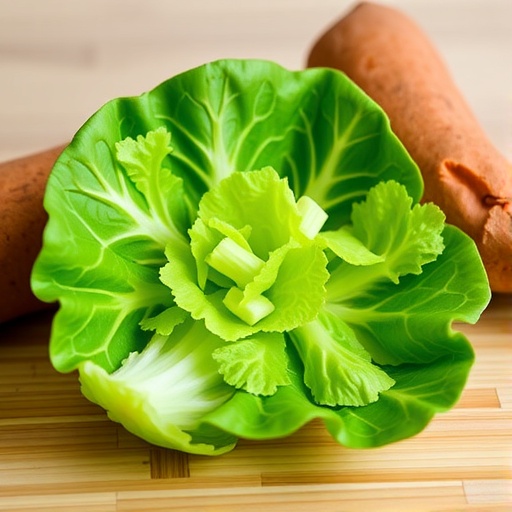
In a groundbreaking advancement in the battle against diabetes, researchers have unveiled compelling evidence demonstrating the potent antidiabetic properties of a novel combination: dried sweet potato extract fortified with fermented lettuce extracts. The innovative study, recently published in Food Science and Biotechnology, probes the synergistic effects of these natural extracts in glucose regulation and metabolic health, potentially charting a new course for plant-based therapeutic strategies against this pervasive metabolic disorder.
Diabetes mellitus remains one of the most daunting health challenges worldwide, characterized by impaired insulin secretion and resistance, leading to chronic hyperglycemia and a host of debilitating complications. Conventional pharmacological interventions, while effective, often carry risks of adverse effects and high costs, directing scientific interest toward safer, more accessible alternatives derived from nature. The current research delves deeply into the bioactive compounds sourced from dried sweet potatoes and fermented lettuce, shedding light on their mechanistic contributions to antidiabetic efficacy.
Sweet potato, a dietary staple with a rich nutrient profile, is known for its array of phytochemicals including phenolic compounds, dietary fibers, and carotenoids, each implicated in modulating glucose metabolism. The study systematically evaluates how drying processes concentrate these active constituents, enhancing their bioavailability and therapeutic potential. Complementing this, fermented lettuce extracts introduce a distinct spectrum of bioactive metabolites generated through microbial biotransformation, which may augment the biological impact on insulin sensitivity and inflammatory pathways.
.adsslot_CqgBF5XYWS{ width:728px !important; height:90px !important; }
@media (max-width:1199px) { .adsslot_CqgBF5XYWS{ width:468px !important; height:60px !important; } }
@media (max-width:767px) { .adsslot_CqgBF5XYWS{ width:320px !important; height:50px !important; } }
ADVERTISEMENT
Central to the investigation is the in vivo examination of these extracts’ effects on diabetic animal models, where parameters such as fasting blood glucose levels, insulin resistance indices, and pancreatic histopathology were meticulously assessed. The data indicates a significant reduction in hyperglycemia following administration of the combined extracts, surpassing the efficacy of either extract alone. These findings suggest an additive or synergistic interaction, possibly mediated by enhanced antioxidant activity and improved modulation of glucose transporters.
At the molecular level, the researchers employed advanced biochemical assays and gene expression profiling to unravel the mechanistic underpinnings of the observed antidiabetic effects. Key pathways involved in glucose homeostasis, such as the AMP-activated protein kinase (AMPK) pathway and insulin receptor substrate signaling, displayed upregulated activity in treated subjects. Moreover, markers of oxidative stress and inflammation showed marked attenuation, underscoring the dual role of these extracts in mitigating metabolic dysfunction and cellular damage.
The fermentation process applied to lettuce emerges as a particularly intriguing facet of the study. Lactic acid bacteria-driven fermentation is known to transform native plant compounds into more bioactive forms, potentially increasing polyphenol content and generating novel metabolites that facilitate glucose uptake and improve gut microbiota composition. This bioconversion not only optimizes the functional properties but also enhances the extracts’ stability and shelf-life, critical for practical therapeutic application.
Notably, the research team also conducted comprehensive safety and toxicity evaluations to ensure that long-term consumption of these natural extracts is benign. No adverse effects on liver or kidney function were observed, lending credibility to their potential for chronic use in diabetic management. Such safety verification is essential as the integration of natural products into mainstream medicine requires rigorous substantiation to dispel misconceptions regarding their efficacy and reliability.
Beyond the biochemical and physiological aspects, the study contextualizes the significance of dietary patterns and traditional food-derived compounds in preventing metabolic disorders. Sweet potatoes and lettuce, commonplace in many cuisines, exemplify how revisiting and reimagining dietary components through scientific innovation can contribute to public health solutions. The marriage between traditional knowledge and cutting-edge fermentation technology epitomizes a promising direction in functional food research.
Further research is warranted to translate these preclinical results into clinical contexts. Human trials assessing dosage optimization, pharmacokinetics, and long-term metabolic outcomes are crucial next steps to validate efficacy and safety. Additionally, exploring the molecular diversity of different sweet potato cultivars and fermentation conditions could optimize extract composition, tailoring therapies to individual metabolic profiles.
The integration of omics technologies, such as metabolomics and proteomics, offers promising avenues to deepen understanding of the multifaceted interactions between these extracts and host physiology. By illuminating how specific metabolites influence drug targets and metabolic networks, future studies could harness this knowledge for personalized nutrition and precision medicine strategies against diabetes.
This pioneering research stands at the nexus of natural product chemistry, microbiology, and metabolic disease, highlighting the powerful role of interdisciplinary approaches in addressing complex health challenges. As diabetes continues to strain global health infrastructures, innovations like the dried sweet potato and fermented lettuce extract combination inspire hope for more accessible, natural interventions.
The study not only contributes significantly to the scientific literature but also invigorates interest in the potential of fermented plant extracts as next-generation nutraceuticals. These findings may catalyze a paradigm shift, where functional foods transition from adjuncts to frontline agents in chronic disease management.
Media and public attention are likely to be captivated by such a harmonious blend of tradition and innovation — a testament to how revisiting natural resources with modern scientific rigor can unlock untapped therapeutic potential. The excitement surrounding these natural extracts may well drive a surge in both research funding and consumer demand for plant-based antidiabetic products.
Ultimately, this discovery embodies a hopeful narrative in the fight against diabetes, underscoring that solutions may reside not only in cutting-edge pharmaceuticals but also in the fertile fields of everyday agriculture, enhanced through the art and science of fermentation.
Subject of Research: Antidiabetic effects of dried sweet potato extract combined with fermented lettuce extracts
Article Title: Antidiabetic effect of dried sweet potato extract with fermented lettuce extracts
Article References:
Kim, E., Jeong, S.Y., Zhang, M. et al. Antidiabetic effect of dried sweet potato extract with fermented lettuce extracts. Food Sci Biotechnol (2025). https://doi.org/10.1007/s10068-025-01955-3
Image Credits: AI Generated
DOI: https://doi.org/10.1007/s10068-025-01955-3
Tags: antidiabetic properties of sweet potatobioactive compounds in fooddried sweet potato extractfermented foods and healthfermented lettuce health benefitsglucose regulation with plant extractsinnovative diabetes treatmentsmetabolic health through dietnatural remedies for diabetesnutritional strategies for diabetes managementphytochemicals in sweet potatoesplant-based therapeutic strategies