• HOME
  • NEWS
  • EXPLORE
    • CAREER
      • Companies
      • Jobs
    • EVENTS
    • iGEM
      • News
      • Team
    • PHOTOS
    • VIDEO
    • WIKI
  • BLOG
  • COMMUNITY
    • FACEBOOK
    • INSTAGRAM
    • TWITTER
Saturday, February 7, 2026
BIOENGINEER.ORG
No Result
View All Result
  • Login
  • HOME
  • NEWS
  • EXPLORE
    • CAREER
      • Companies
      • Jobs
        • Lecturer
        • PhD Studentship
        • Postdoc
        • Research Assistant
    • EVENTS
    • iGEM
      • News
      • Team
    • PHOTOS
    • VIDEO
    • WIKI
  • BLOG
  • COMMUNITY
    • FACEBOOK
    • INSTAGRAM
    • TWITTER
  • HOME
  • NEWS
  • EXPLORE
    • CAREER
      • Companies
      • Jobs
        • Lecturer
        • PhD Studentship
        • Postdoc
        • Research Assistant
    • EVENTS
    • iGEM
      • News
      • Team
    • PHOTOS
    • VIDEO
    • WIKI
  • BLOG
  • COMMUNITY
    • FACEBOOK
    • INSTAGRAM
    • TWITTER
No Result
View All Result
Bioengineer.org
No Result
View All Result
Home NEWS Science News

Leap onto land saves fish from being eaten

Bioengineer by Bioengineer
March 14, 2017
in Science News
Reading Time: 2 mins read
0
Share on FacebookShare on TwitterShare on LinkedinShare on RedditShare on Telegram
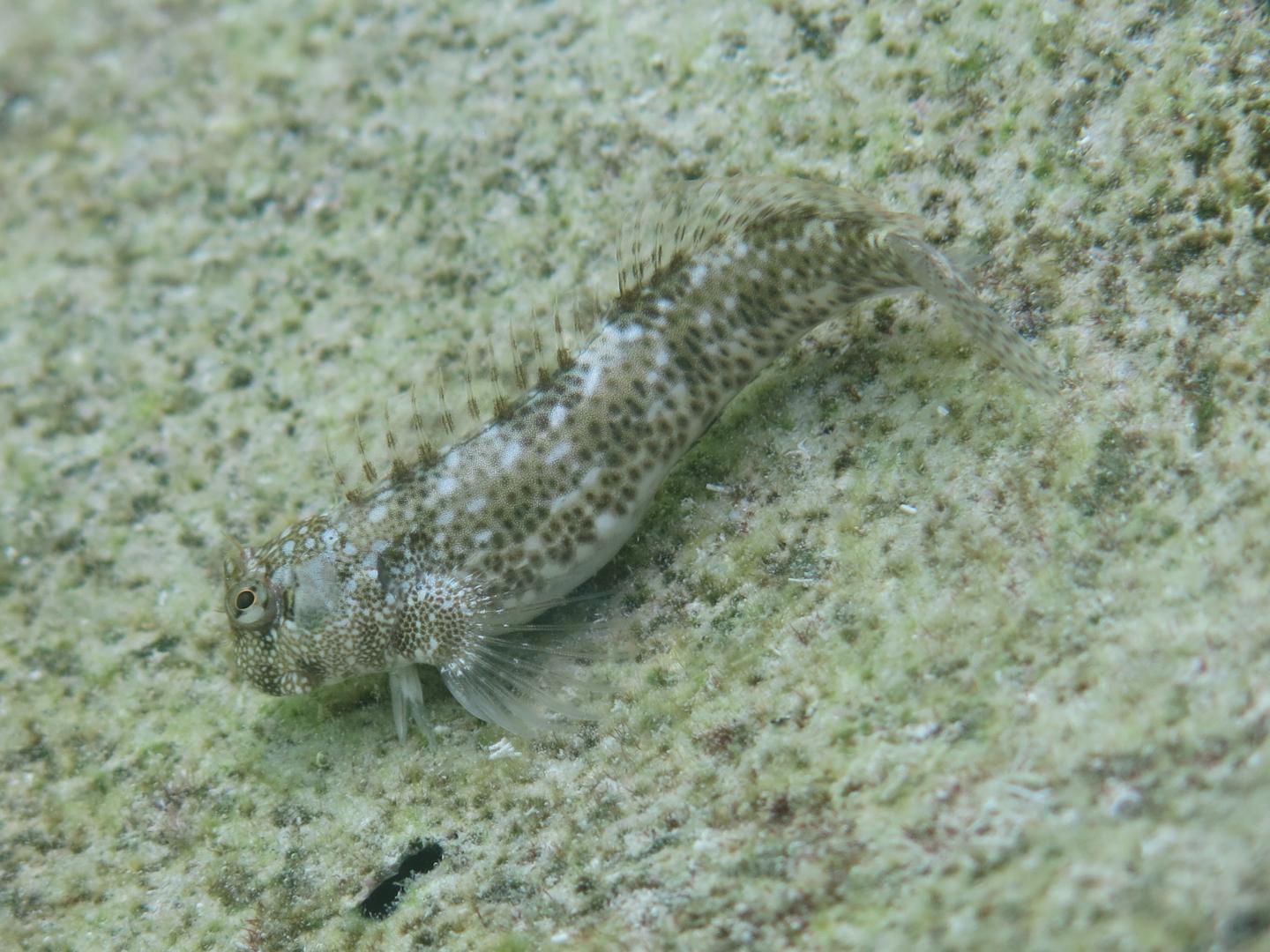
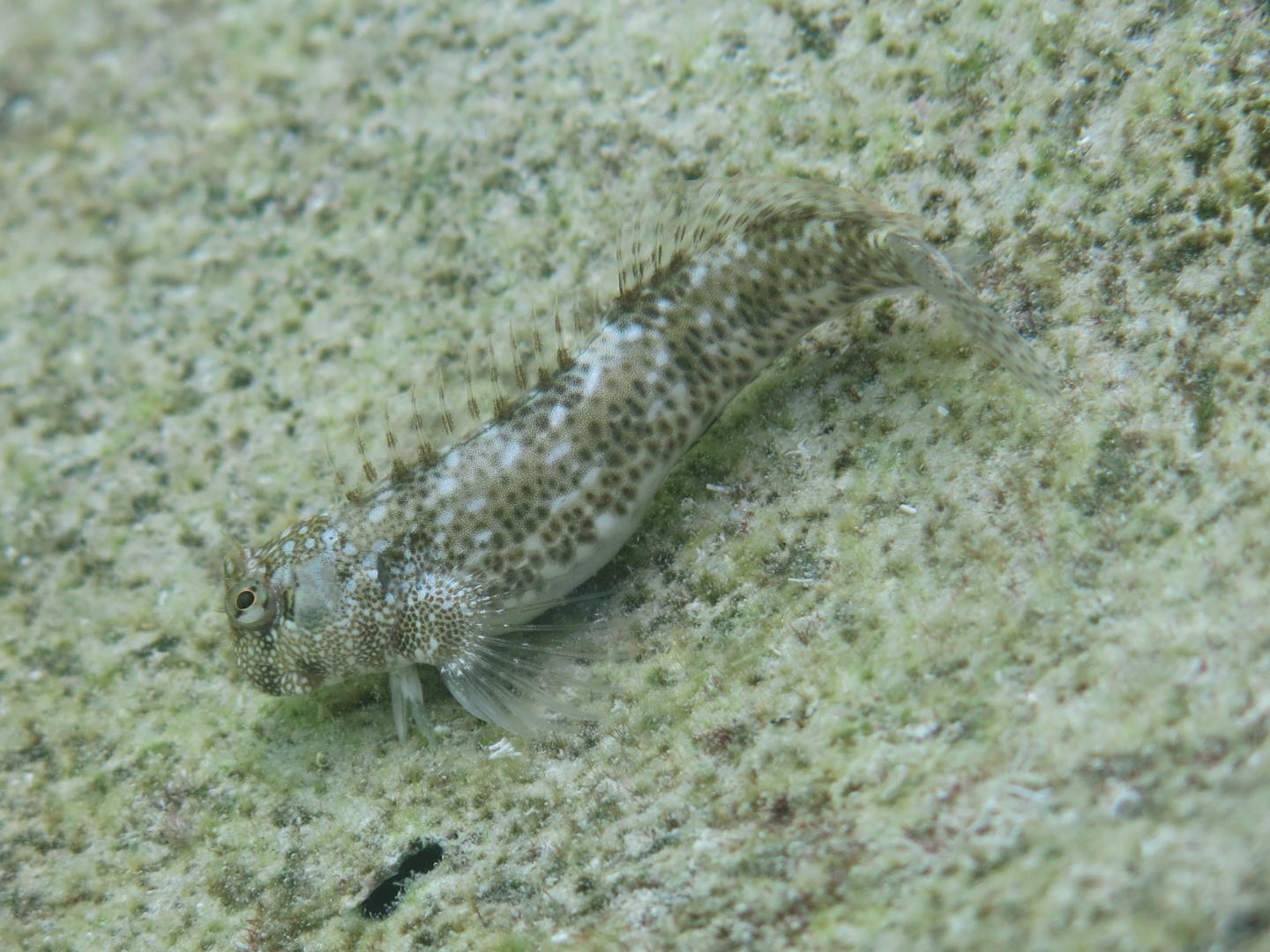
IMAGE

Credit: Credit: Chris Fulton ANU

Fish on the South Pacific island of Rarotonga have evolved the ability to survive out of water and leap about on the rocky shoreline because this helps them escape predators in the ocean, a ground-breaking new study shows.

"Avoiding predators might be an explanation of why some animals move from their ancestral homes into starkly different environments, but evidence for this is rare because it is difficult to collect," says study first author Dr Terry Ord of UNSW Sydney.

"Our study of blennies on Rarotonga is the first to examine the pressures driving fish out of the water. There obviously have to be some major benefits for fish to make the dramatic shift onto land. Otherwise, why would they do it?

"It turns out the aquatic environment is a nasty place for blennies, full of enemies wanting to eat these small fish. But life is less hostile on the rocks, with birds their main worry," he says.

The study, by scientists at UNSW and the Australian National University, is published in The American Naturalist.

Rarotonga in the Cook Islands provides an extraordinary opportunity to study fish evolution in action because four species of blennies have independently emerged from the water to spend various amounts of time times on land.

The researchers observed the behaviour of three of these amphibious species, which divide their time between the water, the rock shelf in the intertidal zone, and the exposed land above the high tide mark.

"At low tide most of the blennies were on the rock shelf in the intertidal zone. Those remaining in the water actively avoided areas where there were predators, such as flounders, trevallies, wrasses and moray eels," says Dr Ord.

"As the tide came in and the rock shelf became submerged, most of the blennies moved to higher ground, above the high tide mark, apparently to avoid being eaten by the aquatic predators coming in with the rising water."

The team also created 250 replica blennies out of plasticine, and placed them in the water and on land above the high tide mark.

"There were far more attacks on the model fish from predators in the ocean than predators on the shore, showing there are obvious benefits for blennies in becoming fish out of water and colonising the land," says Dr Ord.

Other reasons fish might move onto land could be to find new sources of food, to escape competition for resources, or to escape adverse fluctuations in water conditions.

###

Video: Amphibious blenny fish leaping about on an intertidal rock ledge on Guam https://www.youtube.com/watch?v=YN0WukC0p1M

Media contacts: Dr Terry Ord: + 612 9385 3264, [email protected]
UNSW Science media officer: Deborah Smith: +612 93895 7307, +61 478 492 060. [email protected]

Media Contact

Deborah Smith
[email protected]
61-478-492-060
@UNSWnews

http://www.unsw.edu.au

############

Story Source: Materials provided by Scienmag

Share12Tweet8Share2ShareShareShare2

Related Posts

Decoding Prostate Cancer Origins via snFLARE-seq, mxFRIZNGRND

February 7, 2026

Digital Health Perspectives from Baltic Sea Experts

February 7, 2026

Florida Cane Toad: Complex Spread and Selective Evolution

February 7, 2026

Exploring Decision-Making in Dementia Caregivers’ Mobility

February 7, 2026
Please login to join discussion

POPULAR NEWS

  • Robotic Ureteral Reconstruction: A Novel Approach

    Robotic Ureteral Reconstruction: A Novel Approach

    82 shares
    Share 33 Tweet 21
  • Digital Privacy: Health Data Control in Incarceration

    63 shares
    Share 25 Tweet 16
  • Study Reveals Lipid Accumulation in ME/CFS Cells

    57 shares
    Share 23 Tweet 14
  • Breakthrough in RNA Research Accelerates Medical Innovations Timeline

    53 shares
    Share 21 Tweet 13

About

We bring you the latest biotechnology news from best research centers and universities around the world. Check our website.

Follow us

Recent News

Decoding Prostate Cancer Origins via snFLARE-seq, mxFRIZNGRND

Digital Health Perspectives from Baltic Sea Experts

Florida Cane Toad: Complex Spread and Selective Evolution

Subscribe to Blog via Email

Enter your email address to subscribe to this blog and receive notifications of new posts by email.

Join 73 other subscribers
  • Contact Us

Bioengineer.org © Copyright 2023 All Rights Reserved.

Welcome Back!

Login to your account below

Forgotten Password?

Retrieve your password

Please enter your username or email address to reset your password.

Log In
No Result
View All Result
  • Homepages
    • Home Page 1
    • Home Page 2
  • News
  • National
  • Business
  • Health
  • Lifestyle
  • Science

Bioengineer.org © Copyright 2023 All Rights Reserved.