• HOME
  • NEWS
  • EXPLORE
    • CAREER
      • Companies
      • Jobs
    • EVENTS
    • iGEM
      • News
      • Team
    • PHOTOS
    • VIDEO
    • WIKI
  • BLOG
  • COMMUNITY
    • FACEBOOK
    • INSTAGRAM
    • TWITTER
Thursday, December 18, 2025
BIOENGINEER.ORG
No Result
View All Result
  • Login
  • HOME
  • NEWS
  • EXPLORE
    • CAREER
      • Companies
      • Jobs
        • Lecturer
        • PhD Studentship
        • Postdoc
        • Research Assistant
    • EVENTS
    • iGEM
      • News
      • Team
    • PHOTOS
    • VIDEO
    • WIKI
  • BLOG
  • COMMUNITY
    • FACEBOOK
    • INSTAGRAM
    • TWITTER
  • HOME
  • NEWS
  • EXPLORE
    • CAREER
      • Companies
      • Jobs
        • Lecturer
        • PhD Studentship
        • Postdoc
        • Research Assistant
    • EVENTS
    • iGEM
      • News
      • Team
    • PHOTOS
    • VIDEO
    • WIKI
  • BLOG
  • COMMUNITY
    • FACEBOOK
    • INSTAGRAM
    • TWITTER
No Result
View All Result
Bioengineer.org
No Result
View All Result
Home NEWS Science News

Songs that make robots cry

Bioengineer by Bioengineer
March 9, 2017
in Science News
Reading Time: 2 mins read
0
Share on FacebookShare on TwitterShare on LinkedinShare on RedditShare on Telegram
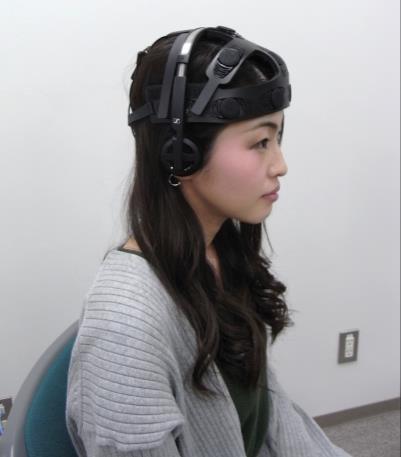
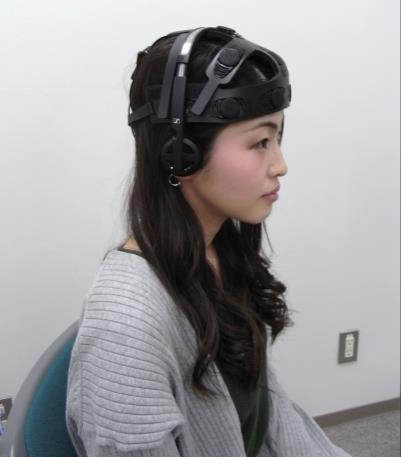
IMAGE

Credit: Osaka University

Music, more than any art, is a beautiful mix of science and emotion. It follows a set of patterns almost mathematically to extract feelings from its audience. Machines that make music focus on these patterns, but give little consideration to the emotional response of their audience. An international research team led by Osaka University together with Tokyo Metropolitan University, imec in Belgium and Crimson Technology has released a new machine-learning device that detects the emotional state of its listeners to produce new songs that elicit new feelings.

"Most machine songs depend on an automatic composition system," says Masayuki Numao, professor at Osaka University. "They are preprogrammed with songs but can only make similar songs."

Numao and his team of scientists wanted to enhance the interactive experience by feeding to the machine the user's emotional state. Users listened to music while wearing wireless headphones that contained brain wave sensors. These sensors detected EEG readings, which the robot used to make music.

"We preprogrammed the robot with songs, but added the brain waves of the listener to make new music." Numao found that users were more engaged with the music when the system could detect their brain patterns.

Numao envisions a number of societal benefits to a human-machine interface that considers emotions. "We can use it in health care to motivate people to exercise or cheer them up."

The device was on display at the 3rd Wearable Expo in Tokyo Japan last January.

###

Media Contact

Saori Obayashi
[email protected]
81-661-055-886
@osaka_univ_e

http://www.osaka-u.ac.jp/en

############

Story Source: Materials provided by Scienmag

Share12Tweet8Share2ShareShareShare2

Related Posts

IL-17A Raises in Diabetic Wounds, Harms Keratinocytes

December 18, 2025
Inflammation’s Impact on Preschoolers’ Bone Density

Inflammation’s Impact on Preschoolers’ Bone Density

December 18, 2025

Unveiling TGM-2: Helminth’s Immunomodulatory TGF-β Mimic

December 18, 2025

Telerehabilitation’s Impact on Public Safety Personnel’s PTSD

December 18, 2025
Please login to join discussion

POPULAR NEWS

  • Nurses’ Views on Online Learning: Effects on Performance

    Nurses’ Views on Online Learning: Effects on Performance

    70 shares
    Share 28 Tweet 18
  • NSF funds machine-learning research at UNO and UNL to study energy requirements of walking in older adults

    70 shares
    Share 28 Tweet 18
  • MoCK2 Kinase Shapes Mitochondrial Dynamics in Rice Fungal Pathogen

    72 shares
    Share 29 Tweet 18
  • Unraveling Levofloxacin’s Impact on Brain Function

    53 shares
    Share 21 Tweet 13

About

We bring you the latest biotechnology news from best research centers and universities around the world. Check our website.

Follow us

Recent News

IL-17A Raises in Diabetic Wounds, Harms Keratinocytes

Inflammation’s Impact on Preschoolers’ Bone Density

Unveiling TGM-2: Helminth’s Immunomodulatory TGF-β Mimic

Subscribe to Blog via Email

Enter your email address to subscribe to this blog and receive notifications of new posts by email.

Join 70 other subscribers
  • Contact Us

Bioengineer.org © Copyright 2023 All Rights Reserved.

Welcome Back!

Login to your account below

Forgotten Password?

Retrieve your password

Please enter your username or email address to reset your password.

Log In
No Result
View All Result
  • Homepages
    • Home Page 1
    • Home Page 2
  • News
  • National
  • Business
  • Health
  • Lifestyle
  • Science

Bioengineer.org © Copyright 2023 All Rights Reserved.