• HOME
  • NEWS
  • EXPLORE
    • CAREER
      • Companies
      • Jobs
    • EVENTS
    • iGEM
      • News
      • Team
    • PHOTOS
    • VIDEO
    • WIKI
  • BLOG
  • COMMUNITY
    • FACEBOOK
    • INSTAGRAM
    • TWITTER
Thursday, April 2, 2026
BIOENGINEER.ORG
No Result
View All Result
  • Login
  • HOME
  • NEWS
  • EXPLORE
    • CAREER
      • Companies
      • Jobs
        • Lecturer
        • PhD Studentship
        • Postdoc
        • Research Assistant
    • EVENTS
    • iGEM
      • News
      • Team
    • PHOTOS
    • VIDEO
    • WIKI
  • BLOG
  • COMMUNITY
    • FACEBOOK
    • INSTAGRAM
    • TWITTER
  • HOME
  • NEWS
  • EXPLORE
    • CAREER
      • Companies
      • Jobs
        • Lecturer
        • PhD Studentship
        • Postdoc
        • Research Assistant
    • EVENTS
    • iGEM
      • News
      • Team
    • PHOTOS
    • VIDEO
    • WIKI
  • BLOG
  • COMMUNITY
    • FACEBOOK
    • INSTAGRAM
    • TWITTER
No Result
View All Result
Bioengineer.org
No Result
View All Result
Home NEWS Science News

Petrol and jet fuel alternatives are produced by yeast cell factories

Bioengineer by Bioengineer
March 9, 2017
in Science News
Reading Time: 2 mins read
0
Share on FacebookShare on TwitterShare on LinkedinShare on RedditShare on Telegram
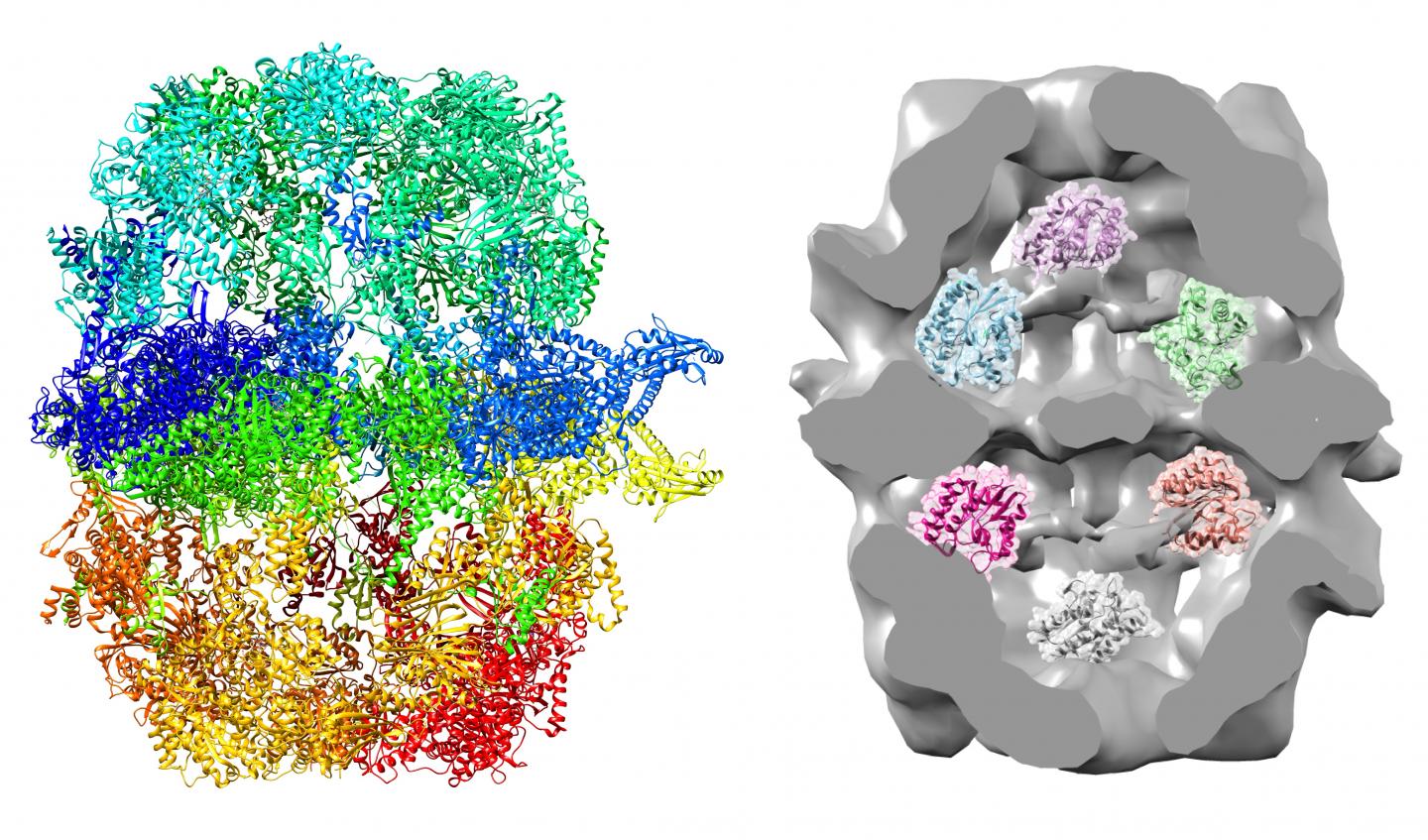
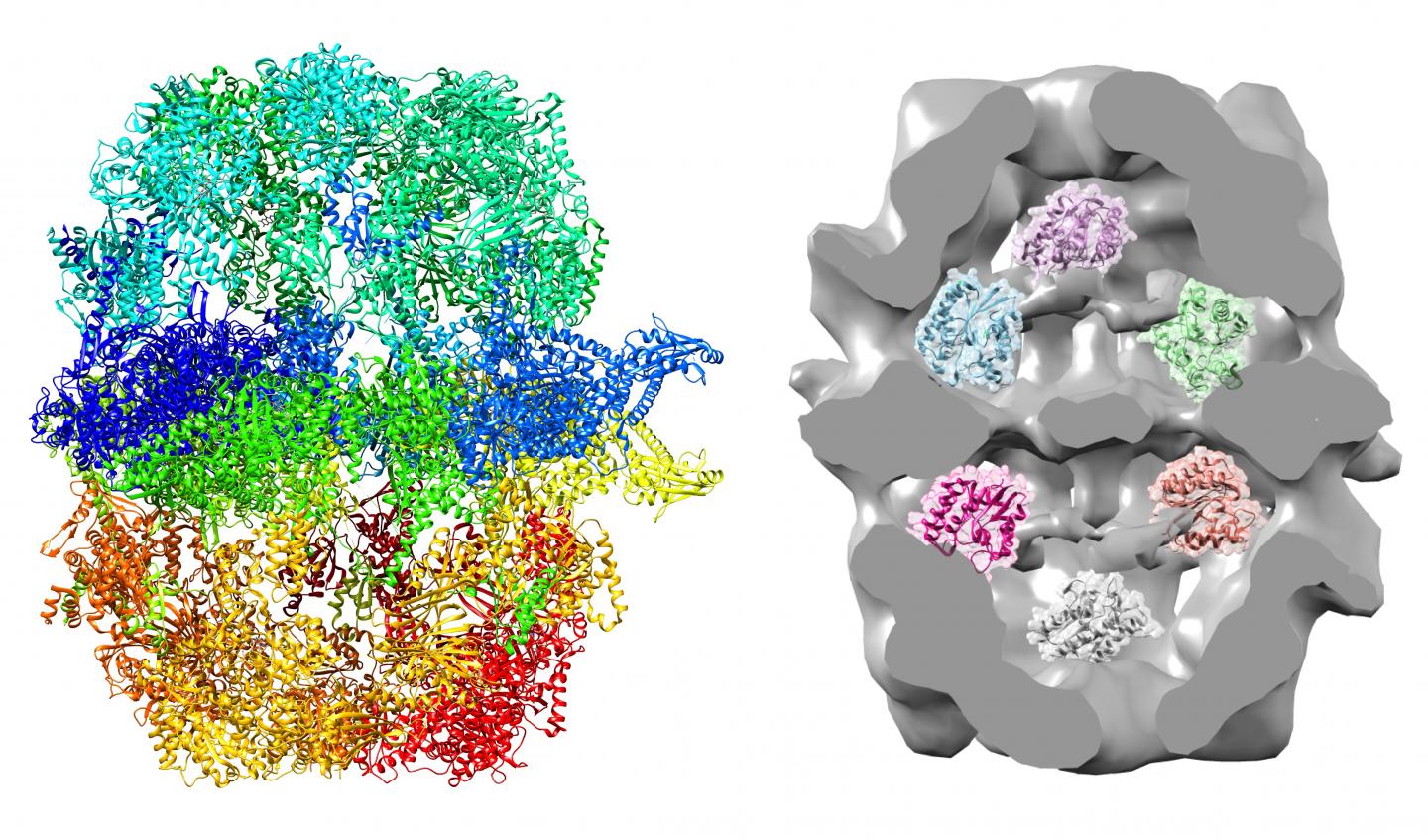
IMAGE

Credit: Zhiwei Zhu

There have been many attempts to modify this stubborn little enzyme, but none have succeeded. Until now. With new findings from Chalmers University of Technology, the fatty acid synthase (FAS) enzyme has started to produce sustainable chemicals for biofuels. The results were recently published in the journal Nature Chemical Biology.

We are in great need of sustainable and clean alternatives to oil-derived products. One of the choices at hand is to produce chemicals and biofuels from sustainable biomass.

To do this, a research team at Chalmers University of Technology is hard at work trying to design yeast cell factories that can actually produce the chemicals we need in a sustainable way. The group has now had a major breakthrough, having developed a novel method of modifying the fatty acid synthase (FAS) enzyme so that it can create new products.

"This enzyme normally synthesizes long chain fatty acids, but we have now modified it to synthesize medium chain fatty acids and methyl ketones – chemicals that are components in currently used transportation fuels", says Zhiwei Zhu, post-doc and first author of the study.

"In other words: We are now able to produce petrol and jet fuel alternatives in yeast cell factories, and this has never been done before."

The important enzyme was first described by Nobel Prize winner Feodor Lynen, and many researchers have tried to modify it in recent years. But it seemed very hard, or close to impossible – until now.

"We did not expect this. Actually, it was thought by the scientific community that this rigid enzyme was not readily amenable to manipulation", says Zhiwei Zhu.

The findings are in fact a result of a lucky break. A few years ago, the researchers occasionally found a fatty acid synthase which had two acyl carrier protein domains.

"We first tried to change this fatty acid synthase by replacing one of its acyl carrier protein domains with a foreign enzyme to modify its properties and, surprisingly, it worked. Then we implemented such modification in other fungal fatty acid synthases and found this approach versatile."

The researchers are now focusing on using the modified enzyme to build yeast cell factories for production of chemicals and fuels from glucose. An invention patent has been applied for, and the company Biopetrolia – a spin-off from Chalmers University of Technology – is closely involved in trying to further develop the technique to make it economically viable.

But as a scientist, Zhiwei Zhu also has a long-term goal of his own:

"I am interested in deeply revealing the biochemical and structural basis of this novel modification in fungal fatty acid synthase."

###

Media Contact

Jens Nielsen
[email protected]
46-317-723-804
@chalmersnyheter

http://www.chalmers.se/en/

############

Story Source: Materials provided by Scienmag

Share12Tweet8Share2ShareShareShare2

Related Posts

Chemical Reprogramming Resets Epiblast Cells to Totipotency

April 2, 2026
Breakthrough Enables Infinite Recycling of Acrylic Plastics Without Environmental Impact

Breakthrough Enables Infinite Recycling of Acrylic Plastics Without Environmental Impact

April 2, 2026

How Science Can Advance and Strengthen the High Seas Treaty

April 2, 2026

Electric Dipole Moment Powers TNFR1 Signalosome

April 2, 2026
Please login to join discussion

POPULAR NEWS

  • blank

    Revolutionary AI Model Enhances Precision in Detecting Food Contamination

    96 shares
    Share 38 Tweet 24
  • Imagine a Social Media Feed That Challenges Your Views Instead of Reinforcing Them

    1007 shares
    Share 398 Tweet 249
  • Promising Outcomes from First Clinical Trials of Gene Regulation in Epilepsy

    51 shares
    Share 20 Tweet 13
  • Popular Anti-Aging Compound Linked to Damage in Corpus Callosum, Study Finds

    44 shares
    Share 18 Tweet 11

About

We bring you the latest biotechnology news from best research centers and universities around the world. Check our website.

Follow us

Recent News

Chemical Reprogramming Resets Epiblast Cells to Totipotency

Breakthrough Enables Infinite Recycling of Acrylic Plastics Without Environmental Impact

How Science Can Advance and Strengthen the High Seas Treaty

Subscribe to Blog via Email

Success! An email was just sent to confirm your subscription. Please find the email now and click 'Confirm' to start subscribing.

Join 78 other subscribers
  • Contact Us

Bioengineer.org © Copyright 2023 All Rights Reserved.

Welcome Back!

Login to your account below

Forgotten Password?

Retrieve your password

Please enter your username or email address to reset your password.

Log In
No Result
View All Result
  • Homepages
    • Home Page 1
    • Home Page 2
  • News
  • National
  • Business
  • Health
  • Lifestyle
  • Science

Bioengineer.org © Copyright 2023 All Rights Reserved.