Researchers at the University of California, Davis have made substantial strides in the realm of neuropharmacology by designing a novel drug that resembles LSD but has significantly diminished hallucinogenic properties. This groundbreaking research is poised to transform the treatment landscape for psychiatric disorders, particularly schizophrenia, which is marked by complex symptomatology and a lack of effective treatments. The innovation, referred to as JRT, stems from a strategic modification of LSD’s molecular composition that enhances its therapeutic potential while minimizing adverse effects commonly associated with psychedelics.
The impetus behind this research emanates from the acknowledgment that while psychedelics like LSD possess qualities that can be advantageous for mental health treatment—such as promoting neuroplasticity—their use in clinical populations is limited due to their propensity for inducing hallucinations and psychotic symptoms. The research team set out to create a compound that would retain the positive attributes of psychedelics without the deleterious side effects. Through a painstaking process that spanned nearly five years, they remarkably achieved this by merely altering the position of two atoms within the LSD molecule.
The meticulous design of JRT leverages the intrinsic properties of serotonergic signaling pathways involved in mood and cognition. The drug exhibits high affinity and selectivity for serotonin receptors, particularly the 5-HT2A receptor, which is integral to stimulating brain regions responsible for neural growth and synaptic connectivity. By promoting these neuroplastic changes, JRT could potentially address both the cognitive deficits and negative symptoms of schizophrenia, which are often resistant to conventional treatments.
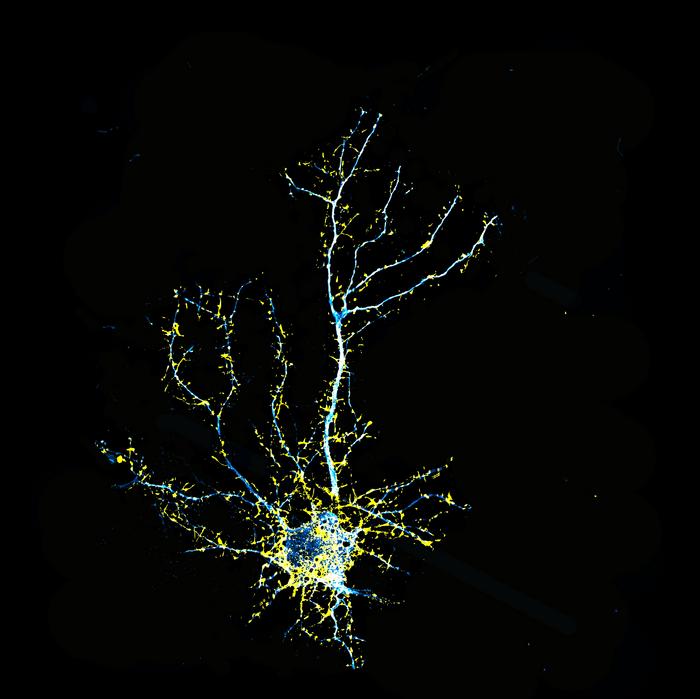
Studies conducted on animal models revealed that JRT showcases robust neuroplastic effects, characterized by an increase in dendritic spine density and overall synaptic density in regions of the brain such as the prefrontal cortex. These enhancements suggest a capacity for increased inter-neural communication, which is critically impeded in conditions like schizophrenia. Furthermore, JRT’s neurotherapeutic profile reveals that while it shares structural similarities with LSD, its pharmacological properties diverge significantly, leading to an absence of psychedelic-like effects.
Further investigations into JRT have demonstrated its superior therapeutic potentials compared to existing treatments. In particular, JRT has been shown to evoke antidepressant effects that are significantly more pronounced than those produced by ketamine, which is lauded as a state-of-the-art rapid-acting antidepressant. This aspect of JRT alone offers a promising avenue for patients who experience treatment-resistant depression or other mental health disorders wherein traditional pharmacotherapy falls short.
Additionally, JRT shows promise in enhancing cognitive flexibility and efficacy in tasks requiring reversal learning, which are measures often impaired in individuals with schizophrenia. This aligns perfectly with the overarching goal: to improve the quality of life for individuals affected by neuropsychiatric conditions while minimizing the accompanying side effects associated with existing therapies.
As careful as the researchers have been in mapping the biochemical landscape of JRT, they are equally diligent in assessing its long-term implications for patient populations historically underserved by current treatment modalities. With schizophrenia often characterized by chronic and debilitating symptoms, the emergence of a drug like JRT signifies hope, not only by offering a new therapeutic option but also by expanding the understanding of how psychedelics can be reengineered for medical benefits.
While the drug has shown promise in preclinical testing, Olson and his research team are committed to continuing their exploration of JRT’s potential across other neurodegenerative and psychiatric conditions. The excitement surrounding JRT extends beyond its immediate applications; it raises profound questions about the future trajectory of drug development in psychiatric medicine, highlighting how traditional paradigms may be challenged as innovation progresses.
In a medical landscape where existing treatments often yield suboptimal results, the results from UC Davis present a transformative opportunity. JRT may very well be on the precipice of becoming a pivotal tool in the arsenal against mental health disorders. As the field of psychopharmacology evolves, alternative approaches to treatment like this one underscore the need for continual research and the exploration of unconventional methodologies.
The implications of this breakthrough are vast, and as the research shifts gears towards clinical trials, the anticipation builds around the possibilities this novel drug could unveil for patients grappling with the debilitating realities of schizophrenia and beyond. The findings thus far serve as a clarion call to the medical and scientific communities, urging sustained investment in research that could redefine mental health treatments worldwide.
As we look to the future, the prospect of JRT entering clinical practice remains an invigorating development for psychiatrists and patients alike. Medicinal chemistry continues to forge ahead, driven by a commitment to harnessing the psychopharmacological potential of psychedelic substances while ensuring that safety and efficacy remain paramount. The journey towards realizing JRT’s full capabilities is just beginning, and its progressive evolution may hold the key to changing lives for the better.
Subject of Research: Animals
Article Title: Molecular Design of a Therapeutic LSD Analogue with Reduced Hallucinogenic Potential
News Publication Date: 14-Apr-2025
Web References: Proceedings of the National Academy of Sciences
References: 10.1073/pnas.2416106122
Image Credits: Credit: Lee Dunlap, UC Davis Institute for Psychedelics and Neurotherapeutics
Keywords
Psychoactive drugs, Drug research, Schizophrenia, Neuroplasticity, Medicinal chemistry, Psychiatry
Tags: effective treatments for schizophreniainnovative psychiatric drug developmentJRT compound for mental healthLSD analogue for schizophrenia treatmentminimizing adverse effects of psychedelicsmolecular modification in drug designneuropharmacology advancementspsychedelics and neuroplasticity benefitsreduced hallucinogenic properties in drugsserotonin signaling pathways in psychiatrytherapeutic potential of psychedelicsUC Davis research on mental health