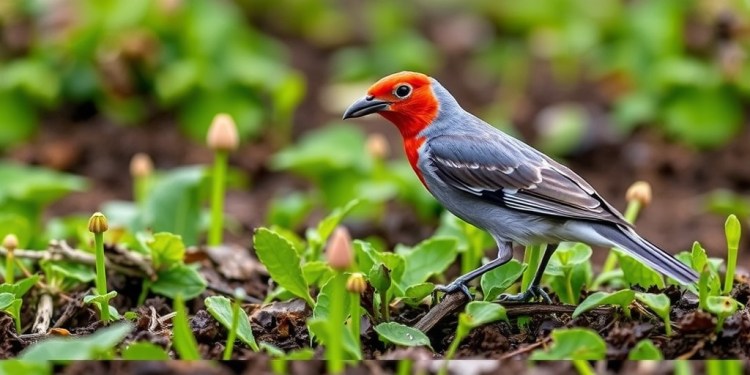

A recent study conducted by a French research team has unveiled alarming findings regarding the chronic exposure of sparrows to tebuconazole, a fungicide commonly used in European agriculture. Coordinated by scientists at the CNRS, the research highlights the severe implications this widely employed chemical has on the reproductive success and survival of sparrow chicks. The study, published in the journal Environmental Research, reveals critical connections between tebuconazole exposure and adverse effects on growth and mortality rates, particularly affecting female offspring.
For decades, declines in farmland birds have been attributed to intensified agricultural practices that heavily utilize a variety of chemicals, including herbicides and insecticides such as glyphosate. However, the specific impact of fungicides like tebuconazole on avian populations has remained relatively unexplored. This recent research fills a critical gap in understanding how these chemicals influence bird populations, particularly in habitats increasingly impacted by agricultural activities.
In the experimental design, scientists carefully compared the reproductive performance of two distinct groups of domestic sparrows: a control group that was not exposed to the fungicide and a second group that was subjected to tebuconazole at levels reflective of real-world agricultural exposures. Interestingly, the initial results suggested that while there appeared to be no immediate detriments to the adult birds’ health, reproductive period, or egg-laying capabilities, the situation changed dramatically post-hatching.
Observations revealed striking differences in the chicks’ growth and survival rates based on their exposure to tebuconazole. Specifically, chicks that were exposed to the fungicide exhibited a notable reduction in growth, being approximately 10 percent smaller than their unexposed counterparts. This stunted growth is concerning, as it implies that the health and vigor of these young birds are severely compromised even before they leave the nest. Moreover, the mortality rate for the exposed chicks was alarmingly high, with approximately 47 percent failing to survive after fledging, compared to just 20 percent in the control group, which effectively doubles the expected mortality due to environmental stressors.
The sex-specific impact further emphasizes the vulnerability of female sparrow chicks to fungicide exposure. The results point to a potential bias against females in the reproductive success and survival—factors that have profound implications for population dynamics. It raises critical questions about the broader ecological consequences of fungicide use, particularly with respect to maintaining balanced and healthy bird populations in agricultural settings.
This study comes at a time when global agricultural practices are under scrutiny for their environmental impact. With growing public awareness of ecological health and the dwindling numbers of farmland birds, the implications of these findings carry significant weight. While the research sheds light on one specific compound, it beckons a more extensive investigation into the effects of various agricultural chemicals on non-target wildlife, especially those residing in proximity to treated fields.
Following the publication of their findings, the researchers have emphasized the necessity for additional studies to explore the extent of tebuconazole’s contamination across wild avian populations and its further physiological repercussions. There remains a critical need to understand the mechanisms through which fungicides exert their harmful effects and the pathways through which birds may be exposed to these chemicals.
The study’s implications reach beyond the immediate effects observed in sparrows. The results serve as a warning of potential cascading effects throughout the food web, with declining sparrow populations affecting predator species and other ecosystem services that these birds provide. As such, the findings underscore the urgency for policymakers and agricultural stakeholders to reevaluate the widespread use of fungicides and consider the benefits of integrated pest management strategies that reduce chemical reliance.
As researchers continue to collect data on the long-term impacts of fungicide exposure in wildlife, it is hoped that these insights will guide future regulations and practices in the agriculture sector. This study is a clarion call for the urgent need to balance agricultural productivity with environmental sustainability and wildlife conservation.
In conclusion, the revelations surrounding tebuconazole and its effects on sparrow chicks serve as a potent reminder of the complexities and interconnectedness of agricultural practices and wildlife health. As society increasingly demands sustainable practices, research such as this will be critical in informing the dialogue around responsible fungicide use and its alternatives. The health of our environment and its inhabitants may very well depend on these decisions made today.
Subject of Research: Animals
Article Title: Chronic exposure to tebuconazole impairs offspring growth and survival in farmland birds: An experiment in captive house sparrows.
News Publication Date: 29-Mar-2025
Web References: 10.1016/j.envres.2025.121321
References: Available upon request.
Image Credits: Not provided.
Keywords: Tebuconazole, sprarrows, fungicides, avian reproduction, environmental research, agriculture, wildlife health.
Tags: agricultural chemicals impact on wildlifeavian population declinechemical exposure in agricultural practiceschronic exposure to tebuconazoleconservation of farmland birdseffects of tebuconazole on female offspringenvironmental research on pesticidesEuropean agriculture and bird healthfarming fungicide effectsfungicides and bird mortality ratessparrow reproductive successtebuconazole reproductive harm in birds