
URBANA, Ill. – The health of endangered species is often difficult to monitor due to the complexities of wildlife diseases and their effects on populations. In a groundbreaking study conducted by researchers from the University of Illinois Urbana-Champaign, advanced molecular research techniques were utilized to assess the health status of the endangered Indiana bat, a species facing myriad threats, including habitat loss and disease. The study revealed significant insights into the role of gut microbiomes in assessing the health of these bats, thereby providing valuable information for conservation strategies.
One of the major hurdles in wildlife health monitoring is the challenge of tracking infections in species such as the Indiana bat. These mammals, like many wildlife species, do not exhibit obvious symptoms of disease, making it difficult for researchers to determine their health status. This study highlights the importance of understanding disease ecology, particularly in species that are critically endangered. Researchers employed a technique known as multiplex metabarcoding, which allows for the identification of various microbial species present in fecal samples. This method enabled them to obtain a clearer picture of the gut microbiome and its relationship with health indicators.
The researchers focused on a specific protozoan parasite known as Eimeria, which is typically found in the gut of various animals, including livestock, and can lead to substantial health problems. While the presence of Eimeria does not always equate to disease, it can become problematic under certain conditions, specifically when animals experience stress. Previous findings in other species suggest that elevated stress levels can lead Eimeria to proliferate, causing severe gut tissue damage along with secondary bacterial infections. This creates a dangerous health scenario for affected bats, emphasizing the link between microbial dynamics and overall health.
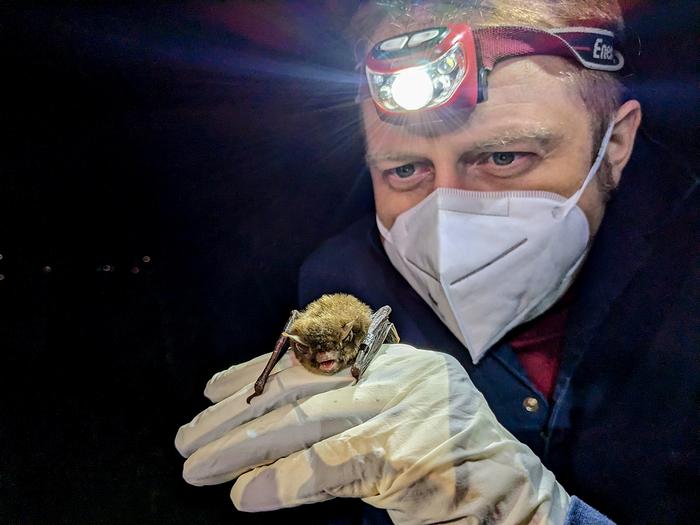
Capturing Indiana bats in the wild proved to be a careful and meticulous process. The team temporarily captured bats at the entrance of a hibernation site in Missouri and collected fecal samples for further analysis. In the lab, the researchers successfully extracted DNA from these samples, providing a wealth of information on the gut microbiome’s composition. This process not only identified the presence of Eimeria but also allowed researchers to document significant changes in microbiome composition that were directly correlated with the level of parasitic infection.
As the study progressed, the researchers found that bats with high Eimeria loads exhibited notable increases in certain gut bacteria, specifically Clostridium. This particular bacterium has been associated with severe tissue damage in studies involving other species, raising concern about its implications for Indiana bats. By linking these observations, the researchers were able to offer a novel, non-invasive marker for assessing the overall health of these bats.
The findings of this research hold profound implications for conservation medicine. Traditionally, wildlife health assessments have relied heavily on capturing and examining individuals, often leading to disrupted ecosystems. The insights garnered from the study provided an alternative approach, enabling researchers to evaluate animal health through microbiome analysis without the need for invasive procedures. This shift represents a significant advancement in understanding disease dynamics in wildlife and could potentially transform conservation strategies aimed at protecting endangered species.
Joy O’Keefe, one of the co-authors of the study, highlighted the significance of their findings, noting that understanding the specific stressors affecting bats could help researchers gain better insights into the health of these populations under threat. The study opens the door for further investigation into the complex interactions between environmental stressors and gut health, marking a crucial development in the field of conservation biology.
The utility of molecular tools in ecological research cannot be understated. Cory Suski, another co-author, mentioned that much of conservation work relies on mere population counts, which do not capture the nuanced picture of wildlife health. By adopting advanced molecular techniques, researchers can go beyond simple population assessments, allowing for deeper inquiries into the factors that influence animal health and survival.
With this research serving as a foundation, the team hopes that similar methodologies can be applied to other endangered bat species across North America. This comparative approach could help establish baselines for health assessments, facilitating more informed conservation strategies that target the unique needs of different species. The hope is that with more data, conservationists can better understand the implications of environmental changes on wildlife health, allowing for proactive measures to be taken.
In conclusion, the findings from this study not only shed light on the health status of Indiana bats but also emphasize the value of advanced molecular tools in conservation efforts. The link between the gut microbiome, parasitic infections, and overall wellbeing provides a comprehensive view that could greatly benefit wildlife management practices. As researchers continue to delve deeper into these connections, the potential for improving the conservation of endangered species grows, instilling hope for the future of wildlife on the brink.
Subject of Research: Health status and microbiome of Indiana bats in relation to parasitic infections
Article Title: Molecular Insights into the Health of Indiana Bats: Understanding Gut Microbiomes and Parasitic Infections
News Publication Date: October 2023
Web References: https://www.microbiologyresearch.org/content/journal/mgen/10.1099/mgen.0.001358
References: Microbial Genomics
Image Credits: Joy O’Keefe, University of Illinois Urbana-Champaign
Keywords: Indiana bats, endangered species, microbiome, Eimeria, conservation medicine, multiplex metabarcoding, parasitic infections, wildlife health, ecological research, gut health.
Tags: conservation strategies for batsendangered bat speciesgut microbiome researchhabitat loss effects on batshealth indicators in endangered speciesIndiana bat health monitoringmicrobiome and wildlife healthmolecular research in conservationmultiplex metabarcoding techniqueprotozoan parasites in wildlifetracking disease in wildlife populationswildlife disease ecology