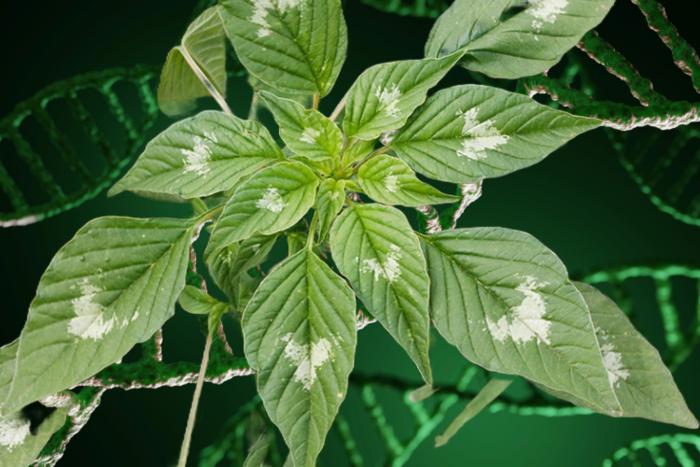

In a groundbreaking study, researchers from the University of Illinois Urbana-Champaign and their collaborators have made significant strides in understanding the genetic makeup of some of agriculture’s most problematic weed species: Palmer amaranth, redroot pigweed, and smooth pigweed. The publication of complete chromosome-level genomes for these species marks a pivotal advancement in weed biology, especially concerning their resilience to various herbicides.
Palmer amaranth has gained notoriety among farmers and agricultural scientists alike for its ability to thrive despite the application of herbicides designed to control its growth. As herbicides become less effective due to the evolution of resistance mechanisms among these weeds, understanding their biology has never been more crucial. The newly published genomes offer a resource that will enable researchers to pinpoint the genes responsible for the various resistance strategies employed by these weeds.
One of the study’s notable authors, Pat Tranel, who is a prominent professor in the Department of Crop Sciences at the University of Illinois, stated that the availability of reference genomes accelerates research into multi-resistant weeds. This advancement not only paves the way for innovative strategies to control these problematic species but also enhances the understanding of how these weeds detoxify herbicides that would otherwise be harmful to them.
The study investigates important gene families within these genomes, particularly focusing on the cytochrome P450 enzymes. These enzymes have a crucial role in the non-target-site resistance mechanism, which allows plants to detoxify harmful chemicals before they can inflict damage. Despite a complex arrangement of hundreds of similar P450 genes within these weed genomes, the research aims to systematically identify which specific genes confer resistance to individual herbicides.
To illustrate the practical implications of this genomic research, the team zeroed in on Palmer amaranth’s glyphosate resistance. This particular resistance trait is linked to a large circular DNA structure that exists outside conventional chromosomes. By elucidating how this structure originated and proliferated globally, the research provides insights into the widespread resistance observed across continents. Tranel notes that the understanding of this evolutionary event opens up new avenues for combatting glyphosate resistance.
Furthermore, the research delves into the genetic factors that govern sex determination in Palmer amaranth, which could play a crucial role in managing weed populations. The team identified key genes on chromosome 3 that appear to regulate male plant traits. If successful, this investigation could lead to the development of genetically modified male plants that could outcompete and eliminate female plants, effectively collapsing entire populations.
This study represents not only a scientific triumph in weed genomics but also a statement of hope for farmers striving to maintain crop yields amidst rising weed pressures. With the discovery of genomic resources, scientists can now focus their efforts on developing sustainable and effective herbicide alternatives while minimizing reliance on traditional chemical methods that have proven increasingly ineffective.
As part of the broader aim of the International Weed Genomics Consortium, which facilitated the genome sequencing, this research underscores the importance of generating freely available reference genomes. These resources are vital for researchers around the world who seek to understand weed biology better and find solutions to the evolving challenge of herbicide resistance.
The researchers’ commitment to addressing these agricultural challenges is reflected in their previous studies as well, where they examined genomic patterns related to herbicide resistance in other invasive species, such as waterhemp. Their collective efforts highlight the importance of a collaborative approach in tackling issues facing modern agriculture.
By facilitating access to genome data, the study is expected to revolutionize the pace of discovery in weed science. As more researchers utilize these resources, they will return to the field with new insights and strategies, enhancing farmers’ capacity to control weed populations effectively while safeguarding crop productivity in an era of growing resistance concerns.
Ultimately, the contribution of these genome sequences extends beyond academic inquiry. They equip agricultural professionals with the data necessary to design customized solutions tailored to specific weed management challenges, ensuring that the agricultural community can remain resilient against the threat of herbicide-resistant weeds.
As the research continues to unfold, it brings with it a sense of optimism that through collaboration, innovative science, and the exploration of plant genetics, sustainable agricultural practices can be achieved, safeguarding food resources for future generations.
Subject of Research: Development of chromosome-level genomes for Palmer amaranth and related weed species.
Article Title: Chromosome-level assemblies of Amaranthus palmeri, Amaranthus retroflexus, and Amaranthus hybridus allow for genomic comparisons and identification of a sex-determining region.
News Publication Date: October 2023
Web References: Link to the study
References: Tranel, P., et al. 2023. “Chromosome-level assemblies of Amaranthus palmeri, Amaranthus retroflexus, and Amaranthus hybridus allow for genomic comparisons and identification of a sex-determining region.” The Plant Journal. DOI: 10.1111/tpj.70027.
Image Credits: Lauren Quinn, University of Illinois Urbana-Champaign
Keywords: Palmer amaranth, herbicide resistance, genome sequencing, cytochrome P450, weed management, agricultural sustainability, sex determination in plants, International Weed Genomics Consortium.
Tags: agricultural research innovationschromosome-level genomes of pigweedcrop sciences advancementsdetoxification of herbicides by weedsgenetic study of amaranth weedsherbicide resistance in weedsinsights from amaranth genome researchmulti-resistant weed control strategiesPalmer amaranth resistance mechanismssignificance of reference genomes in agricultureunderstanding weed biologyUniversity of Illinois weed research